The rapid development and evolution of U.S. trade policy under the Trump administration sparked supply chain pandemonium in 2025.
President Donald Trump signed a vast number of executive orders for higher levies throughout his first year back in office, building on the actions implemented during his first term. Since then, the Trump administration has continued to adjust and shift its tariff threats, spurring uncertainty across the supply chain and shaping 2025 trade flows and investments. Under the Trump administration, tariff and trade policies could change any minute — literally.
In a race to adapt, businesses redesigned sourcing networks and moved production away from China — a country that, at one point, was at risk for tariffs as high as 200%. Many shippers also rushed to import inventory into the U.S. ahead of planned tariffs, sparking surges in cargo volumes at major U.S. ports, including the Port of Los Angeles and the Port of Long Beach.
While tariffs may have dominated headlines, the supply chain endured a lot of other challenges this year.
For instance, labor woes continued in 2025 as Canada Post employees represented by the Canadian Union of Postal Workers deployed strikes as contract negotiations stalled.
News of Union Pacific and Norfolk Southern merging their networks to create the first U.S. transcontinental railroad also prompted major industry buzz as shippers weighed the resulting implications of the $85 billion deal.
While it is impossible to round up every single supply chain woe of 2025, our team has highlighted several images that reflect on a year of resilience in the face of chaos.
California wildfires
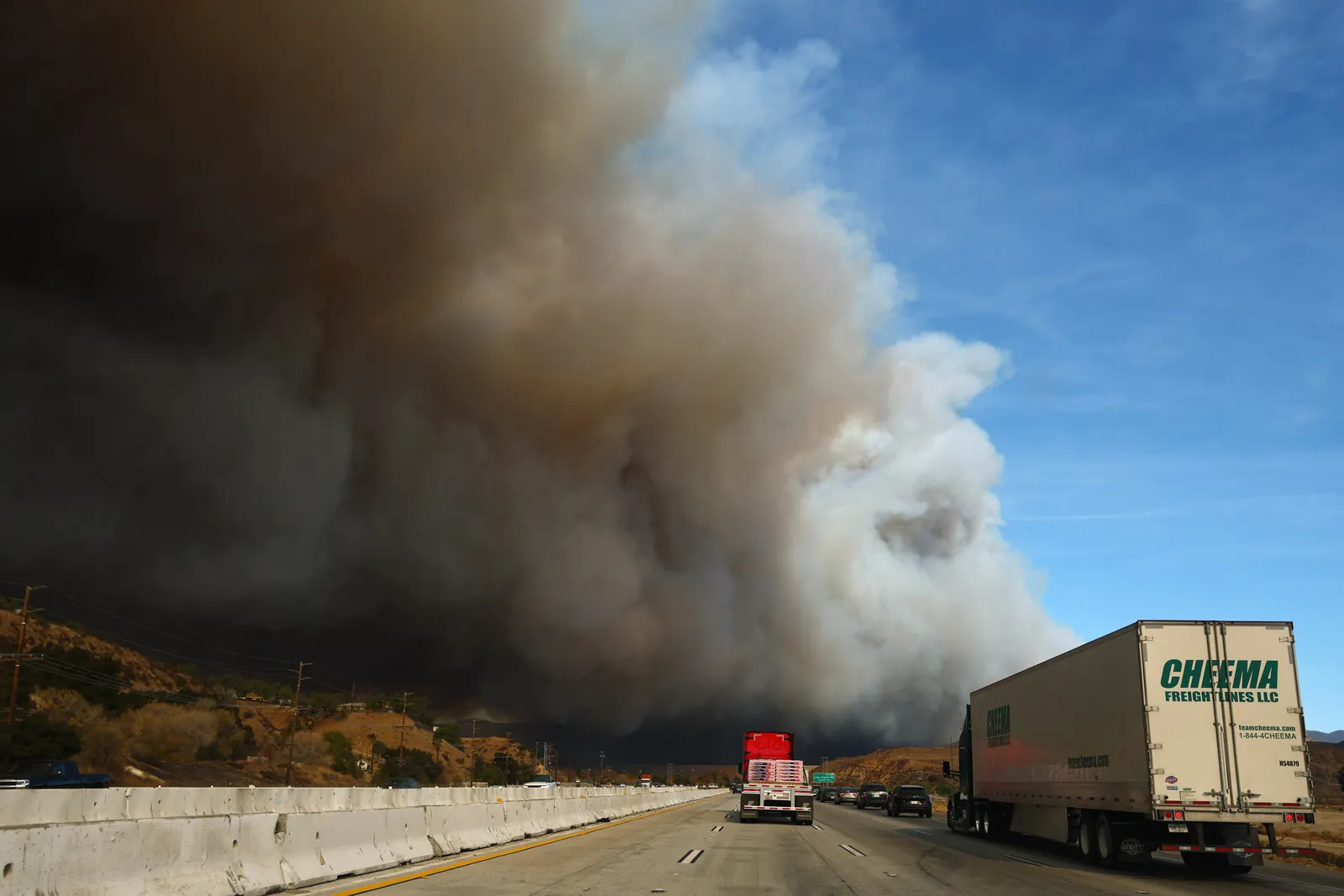
In January, communities watched in horror as wildfires blazed across Southern California. Razed neighborhoods prompted mass evacuations, while high winds posed a threat for truckers. In turn, overturned trucks caused traffic snarls, alongside evacuations and road closures.
While most warehouses and logistics centers were outside of the fire zone, businesses still experienced issues such as power outages. Supply chains were impacted in other ways due to the deadly fires, as well. Rebuilding efforts, for instance, may cause short-term storage demand to jump. At the time, construction items such as drywall, cabinetry and roofing supplies were forecast to face shortages.
Wildfires have become more common as climate change prompts severe changes in weather patterns — including drier environments — that can spur major and sometimes deadly risks to supply chains.
Trump tariffs throw trade with Mexico and Canada into chaos

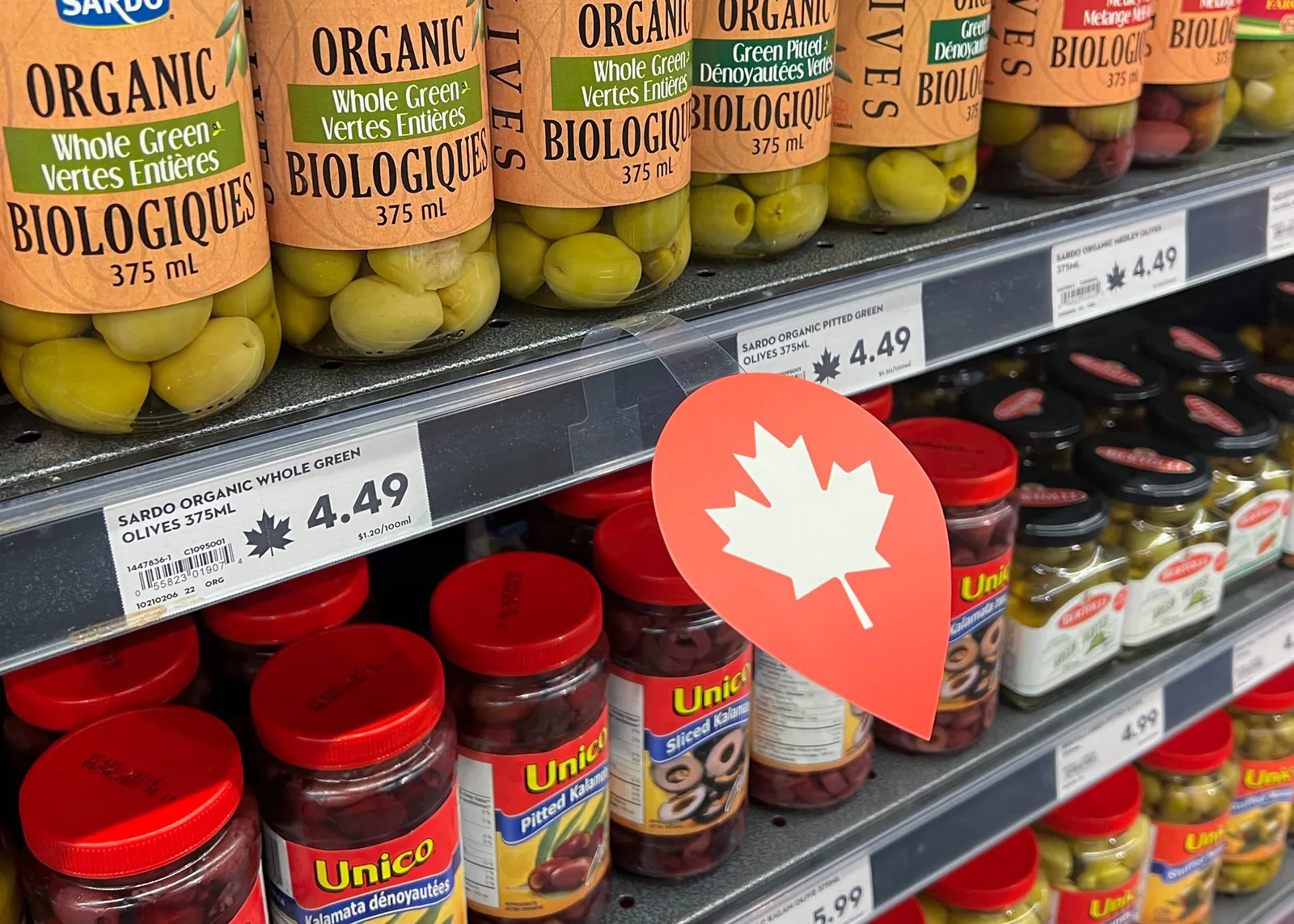
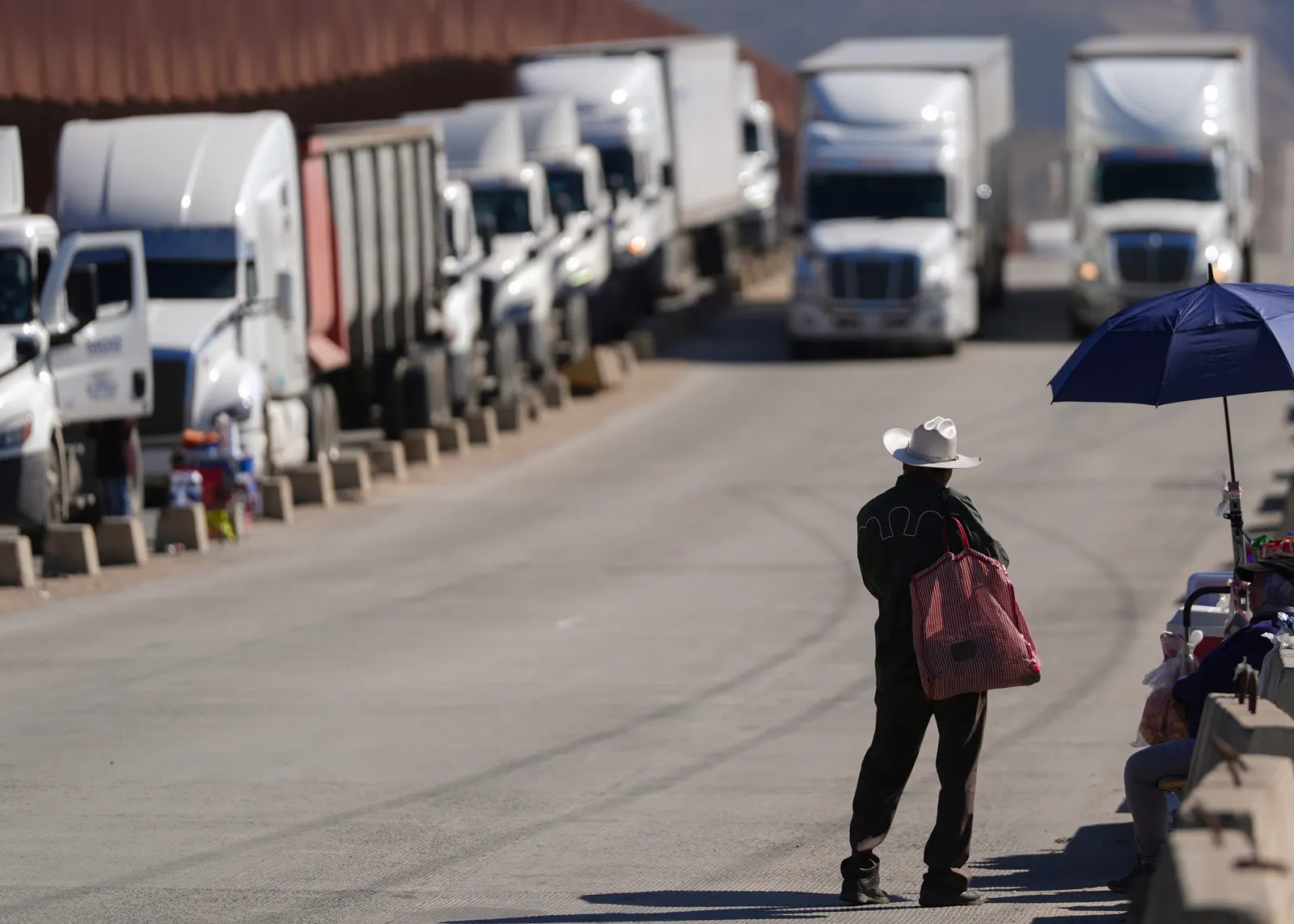
The remodeling of U.S. trade policy by President Donald Trump has changed the tenor of the country’s relationship with its closest neighbors: Mexico and Canada.
Mexico has leaned on a largely successful diplomatic strategy to address the U.S.’ actions, helping secure multiple pauses for duties for United States-Mexico-Canada Agreement-compliant goods.
Meanwhile, the temperature north of the U.S. border has been more volatile, with Canada introducing and later reversing retaliatory actions while earning Trump’s ire for a string of World Series advertisements this past fall.
The back and forth between the three countries has disrupted cross-border trade, while USMCA exemptions have provided some relief for importers, including automakers, as the pact’s review looms next year.
Tariff-driven frontloading spikes port volumes
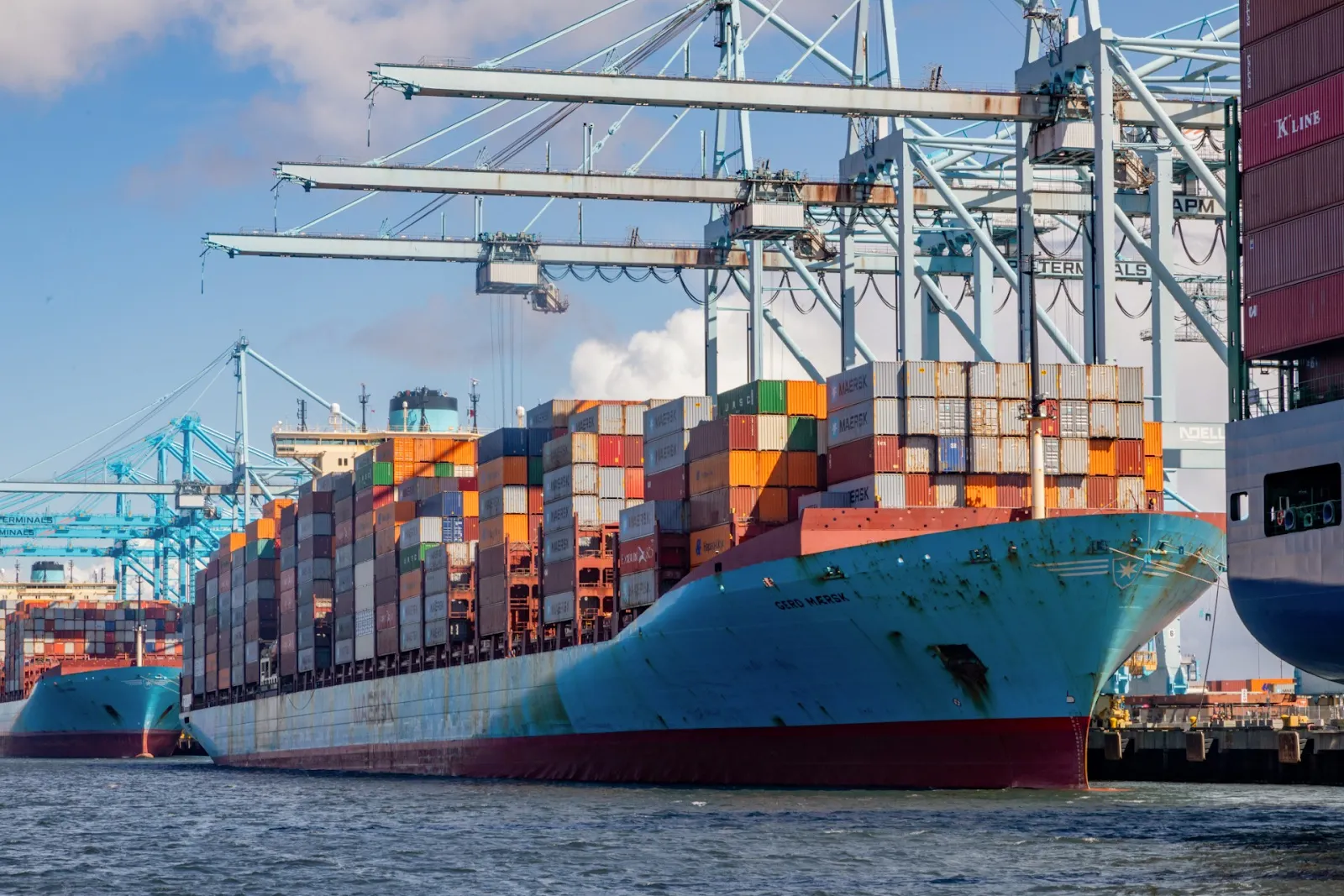
Cargo frontloading has proved useful time and time again as a tool to navigate logistics hurdles. 2025 was no different.
While frontloading efforts started last year, 2025 continued to see waves of cargo activity as shippers aimed to stockpile inventory ahead of President Donald Trump’s rollout of new U.S. tariffs and trade policies.
The Port of Los Angeles recorded its second-best February on record due to frontloading efforts, handling more than 800 total twenty-foot equivalent units — more than 15.5% higher than the port’s February average.
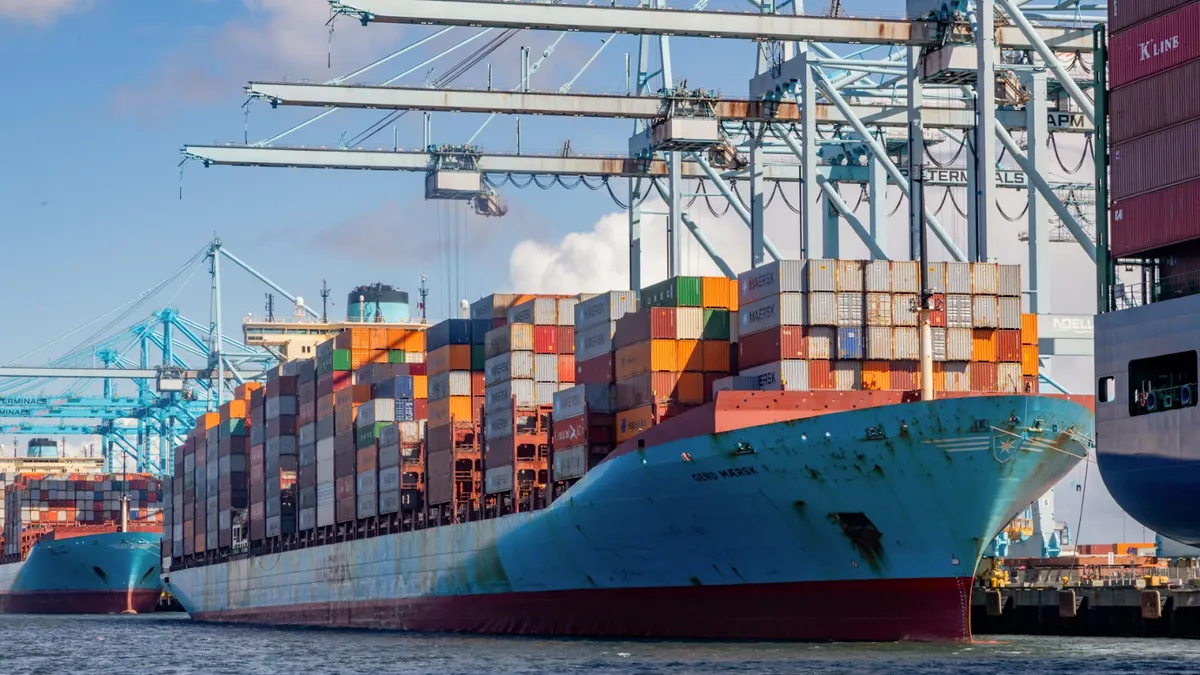
Shippers continued to build up inventories throughout the year, capitalizing on paused tariffs rates. In July, the Port of Los Angeles reported its highest single-month volume of handled cargo. The Port of Long Beach also saw frontloading gains, and is set to surpass 2024’s record-setting 9.6 million TEUs.
Trump remakes U.S. trade policy with reciprocal tariffs
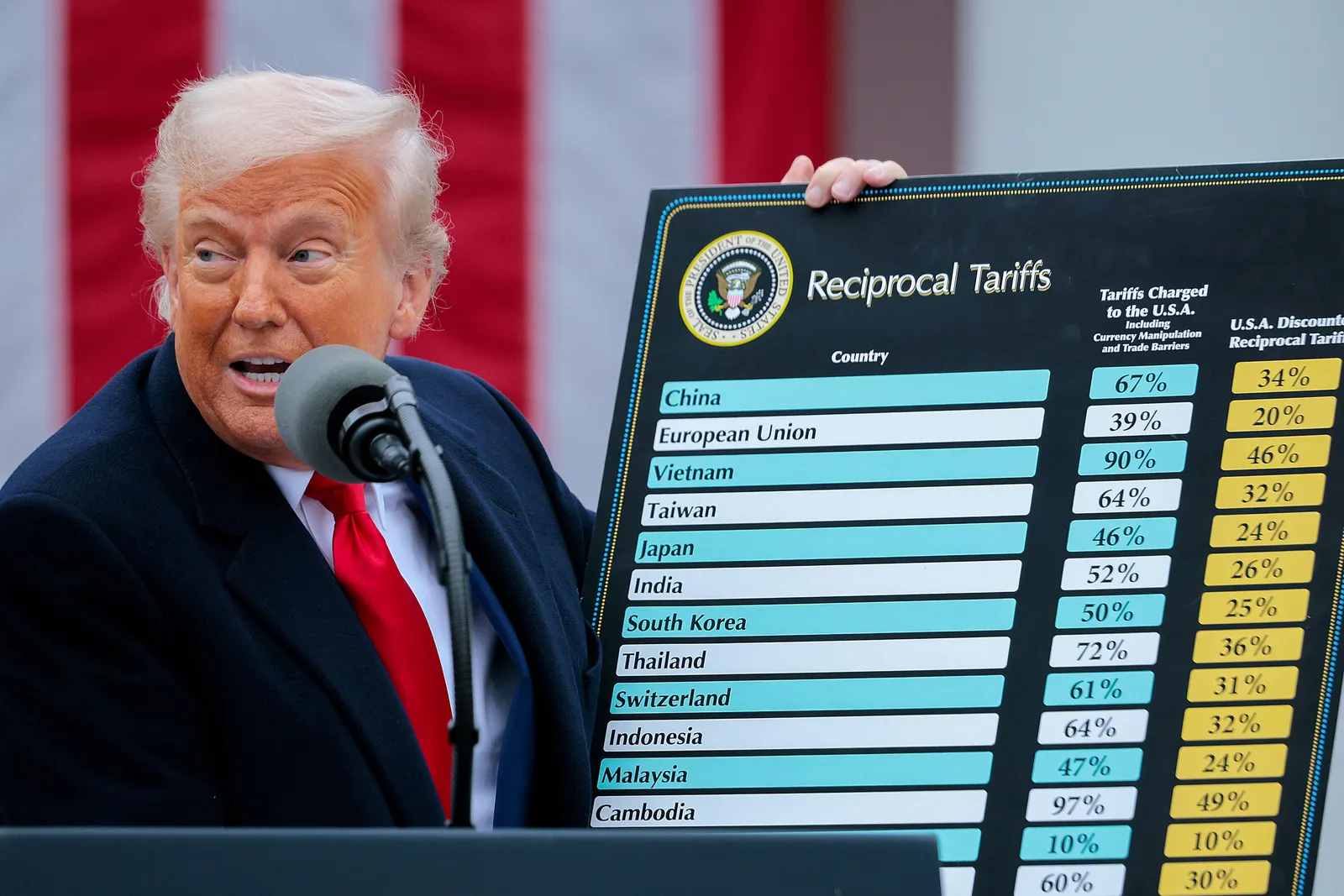
President Donald Trump sent shockwaves across the global trading landscape on April 2 when he announced a blanket 10% global tariff and a slew of country-specific duties that reached as high as 49%.
Paired with levies placed on goods from Canada, Mexico and China earlier in the year and a swath of sector-specific tariffs, Trump’s so-called “Liberation Day” was the true ignition of a tumultuous year in trade, kicking off months of negotiations and retaliatory actions from trading partners, while sending supply chains scrambling to blunt the impact.
U.S. cracks down on truck drivers

The Trump administration brought its immigration crackdown to trucking this year, using tragic crashes as catalysts for changing several policies affecting foreign truck drivers.
In the first half of the year, the administration increased enforcement of English-language proficiency standards and made it easier to take drivers out-of-service for non-compliance. Later in the year, the administration would also pause the issuance of new work visas for commercial truck drivers, overhaul how non-domiciled commercial driving licenses are issued, and threaten to limit funding for states that it considered as having lax licensing enforcement.
Trucking leaders have said the actions could accelerate the number of drivers leaving the industry amid a prolonged freight recession.
Air cargo industry battles uncertainty

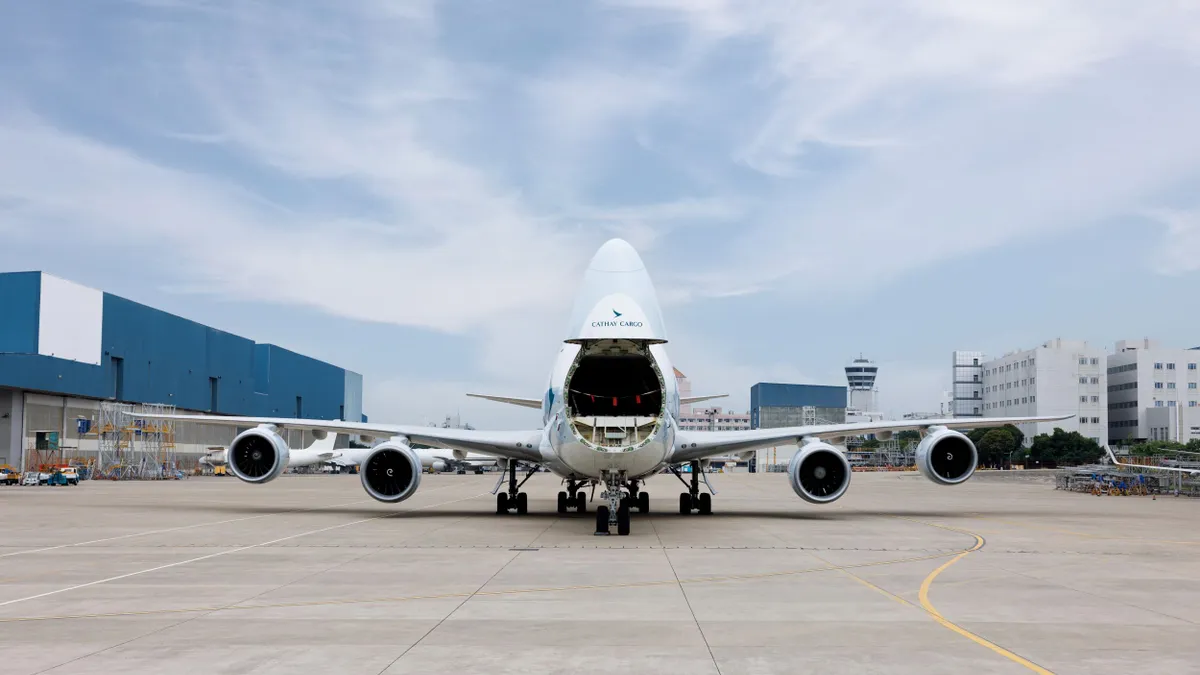
The air cargo industry faced much uncertainty in 2025. The Trump administration’s push for higher tariffs, ongoing geopolitical tensions and the demise of the de minimis exemption in August — a major driver of air cargo demand — powered turbulence that shook up forecasts.
In some cases, the challenges spurred a market slowdown and drop in rates. In June, for instance, air freight spot rates fell for the first time in 19 months as capacity outpaced demand, and anxieties over shifting changes in policies stayed steadfast.
While the industry later forecasted a flat outlook ahead of the holiday season, November air cargo volumes were up 5% YoY. Rates also didn’t dramatically decline despite a better balance in supply and demand.
The idea of a private USPS stirs controversy
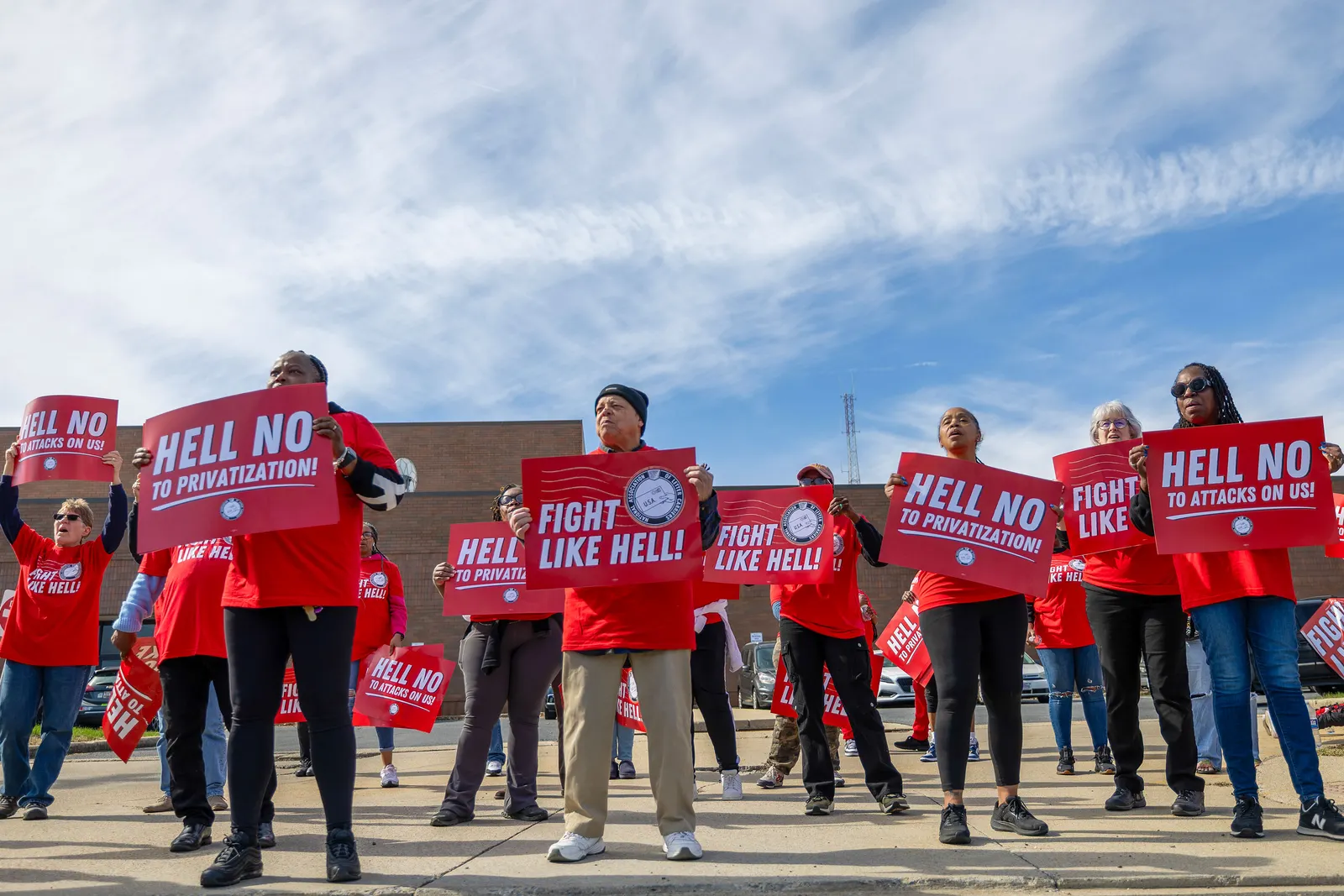
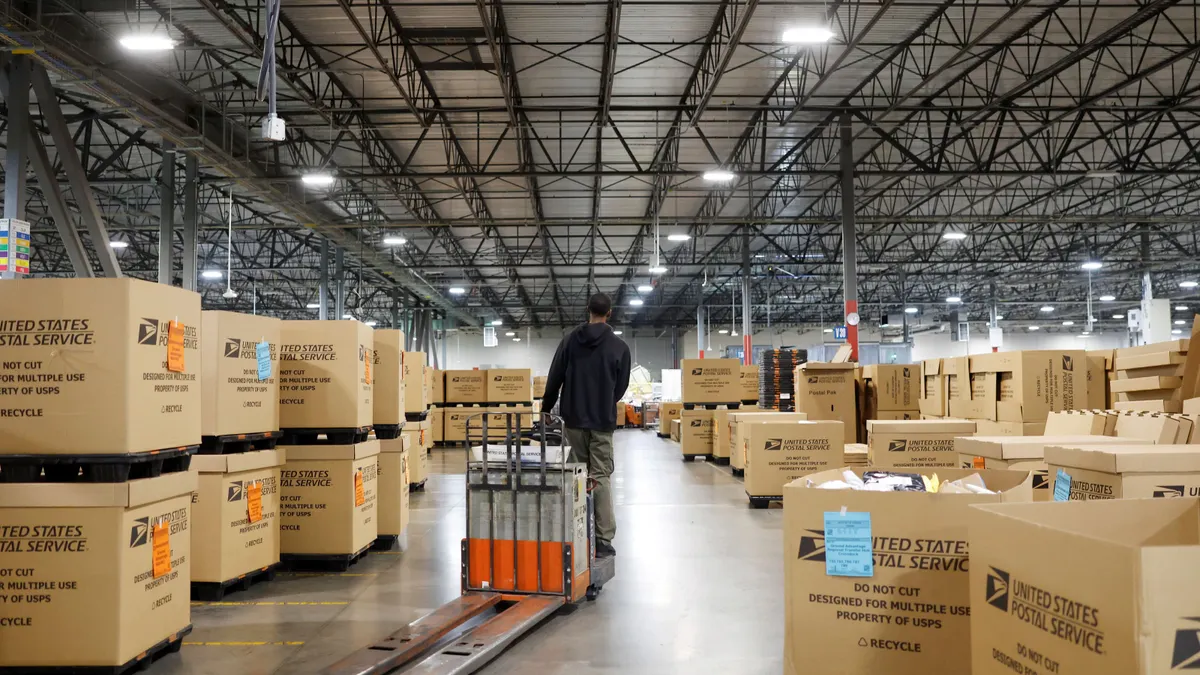
President Donald Trump has floated the possibility of big changes to the financially ailing U.S. Postal Service, including privatization. In 2025, postal unions, lawmakers and other stakeholders denounced the suggestion, arguing a private USPS could reduce service in rural communities and ratchet up mail prices.
The Postal Service took a firm stance against privatization in July. Newly appointed Postmaster General and CEO David Steiner voiced his opposition to such an effort while expressing confidence the agency could improve financially under its existing structure.
Union Pacific moves to acquire Norfolk Southern
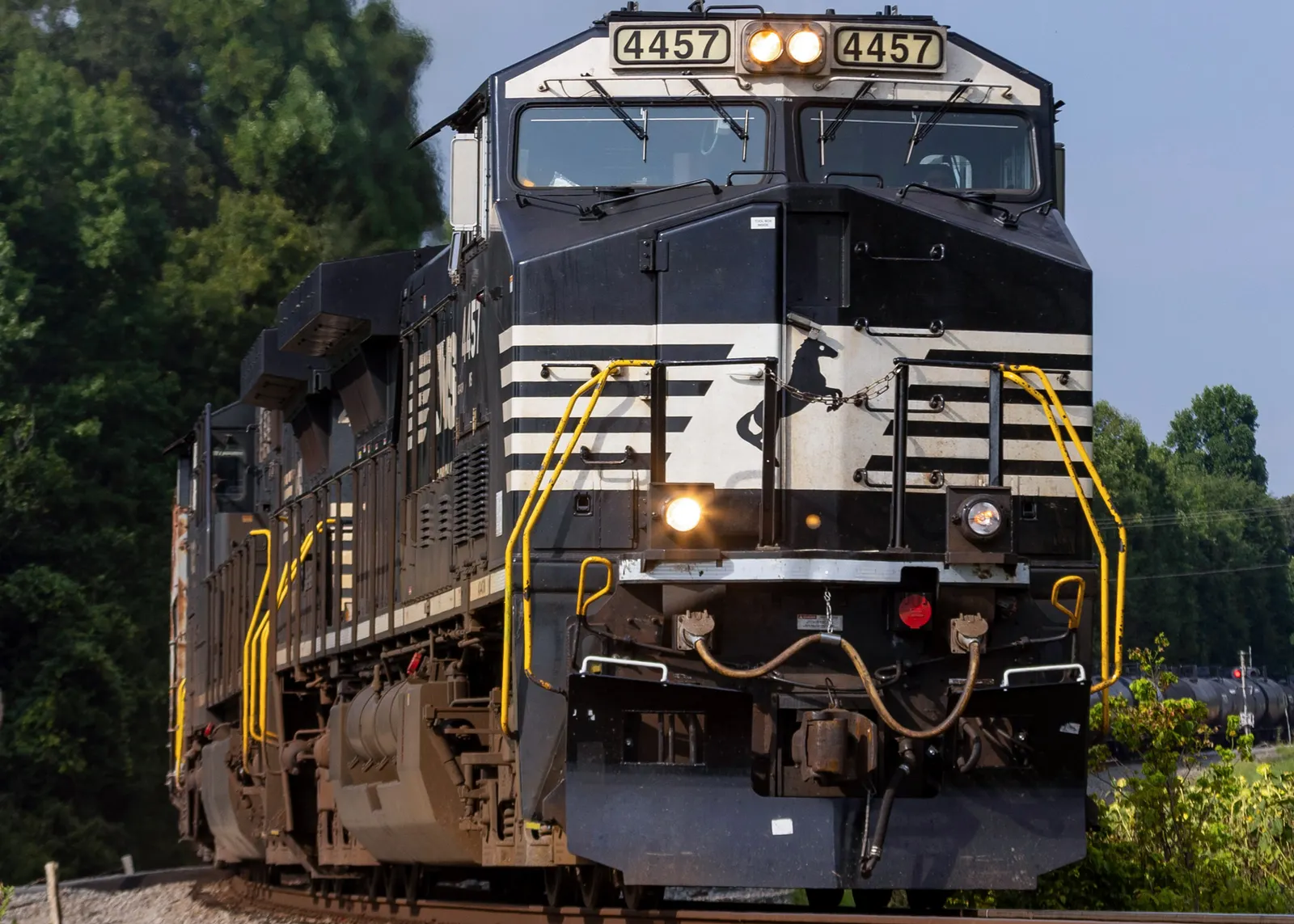
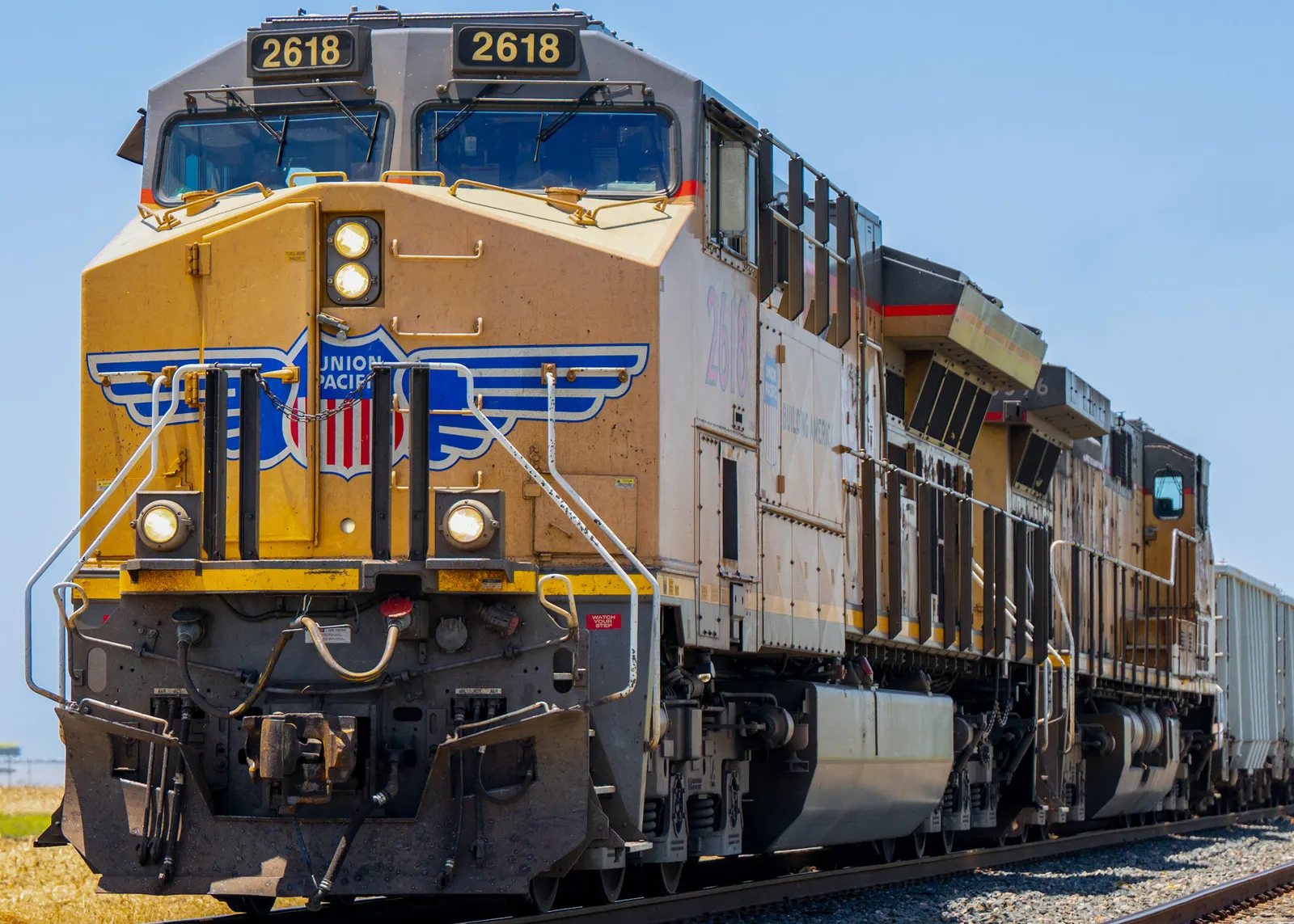
Two railroad tycoons caused a splash in July when they announced Union Pacific and Norfolk Southern were planning to merge their networks and create the U.S.'s first transcontinental railroad.
While the $85 billion deal isn't projected to close until early 2027, it sent shockwaves across the supply chain this year as stakeholders rushed to understand its potential implications. While the companies say the deal will speed cargo movements, improve connectivity, and reduce inefficiency, lawmakers and shippers say it could also lead to worse service, higher rates and lower competition.
U.S. bolsters critical mineral supply chain
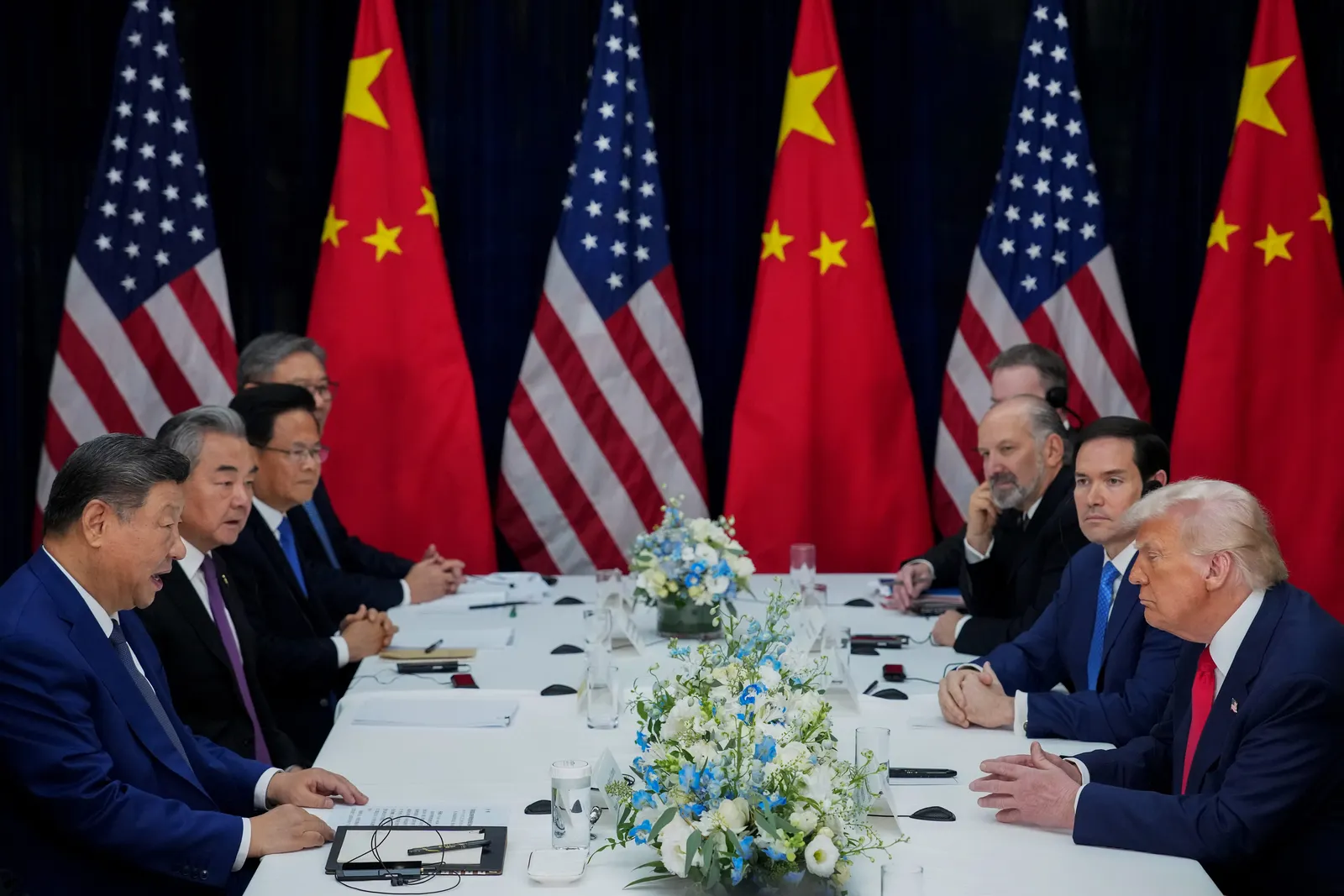

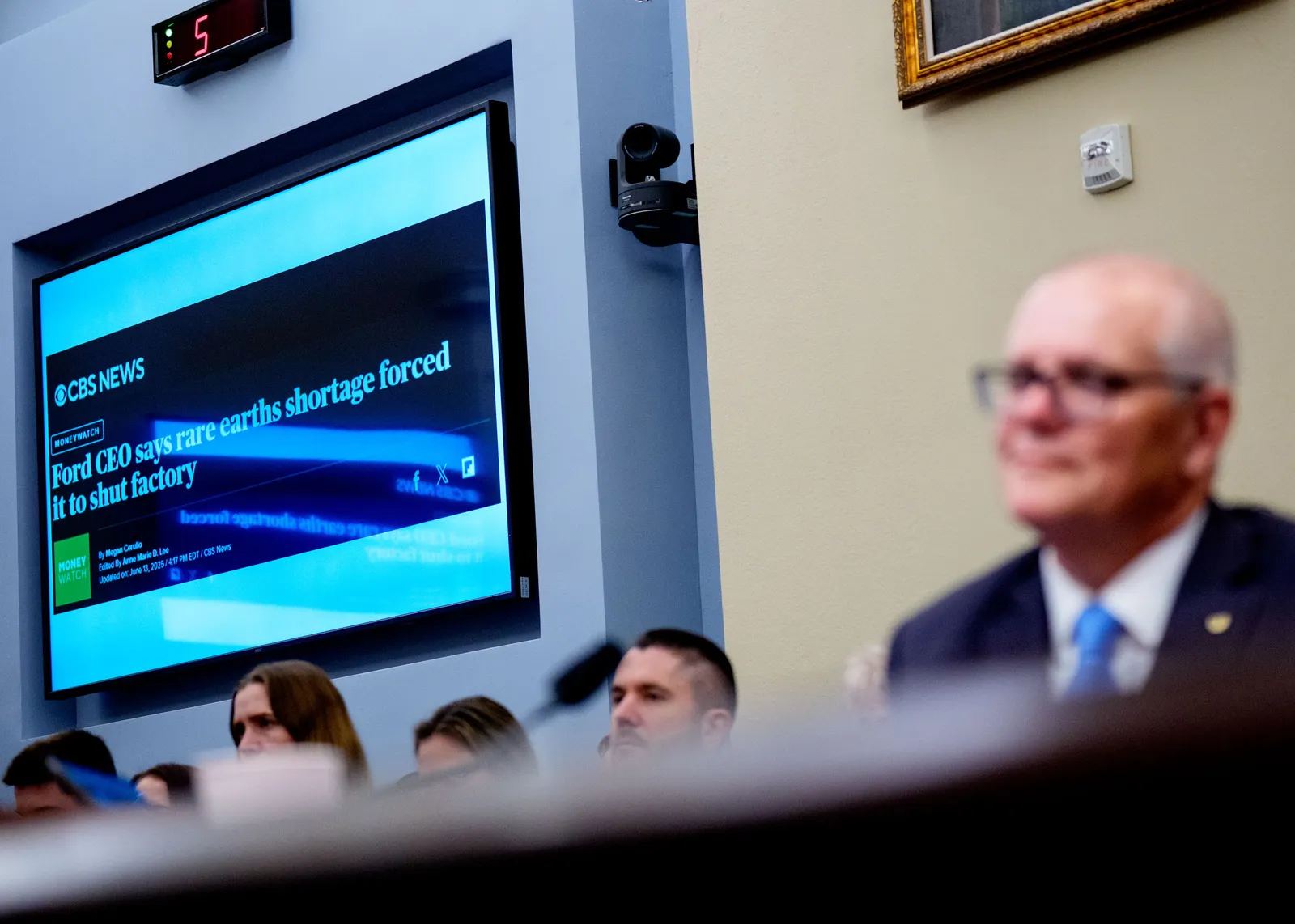
The Trump administration is focused on sourcing critical minerals vital to the U.S. economy from allies or domestic means. The U.S. Geological Survey lists dozens of essential minerals vital to industries, including automotive, aerospace, semiconductors and defense, with China the dominant producer for many of them.
To achieve the administration’s goals, the Energy Department is preparing to deploy nearly $1 billion to mineral mining, processing, manufacturing and recycling. In addition, President Donald Trump has signed frameworks of critical mineral deals with Japan and Australia to shore up supply.
Private industry is also chipping in: Clarios, a manufacturer and recycler of low-voltage automotive batteries, plans to invest up to $1 billion to build a U.S. plant for critical mineral processing and recovery.
Canada Post workers go on strike

Labor flare-ups between Canada Post and the Canadian Union of Postal Workers persisted throughout 2025 and caused disruptions for shippers. The year featured a national strike, rotating strikes and an overtime ban as the sides struggled to find common ground on new contract agreements.
Canada Post and CUPW reported a breakthrough in November, reaching deals in principle and suspending strike activity. The following month, the two parties confirmed they secured tentative agreements to be voted on by union members.
Despite recent progress, prolonged uncertainty has led many Canada Post shippers to divert their packages to other delivery providers like FedEx and UPS, battering the government-owned carrier's bottom line.
Trump’s IEEPA tariff policies face Supreme Court scrutiny
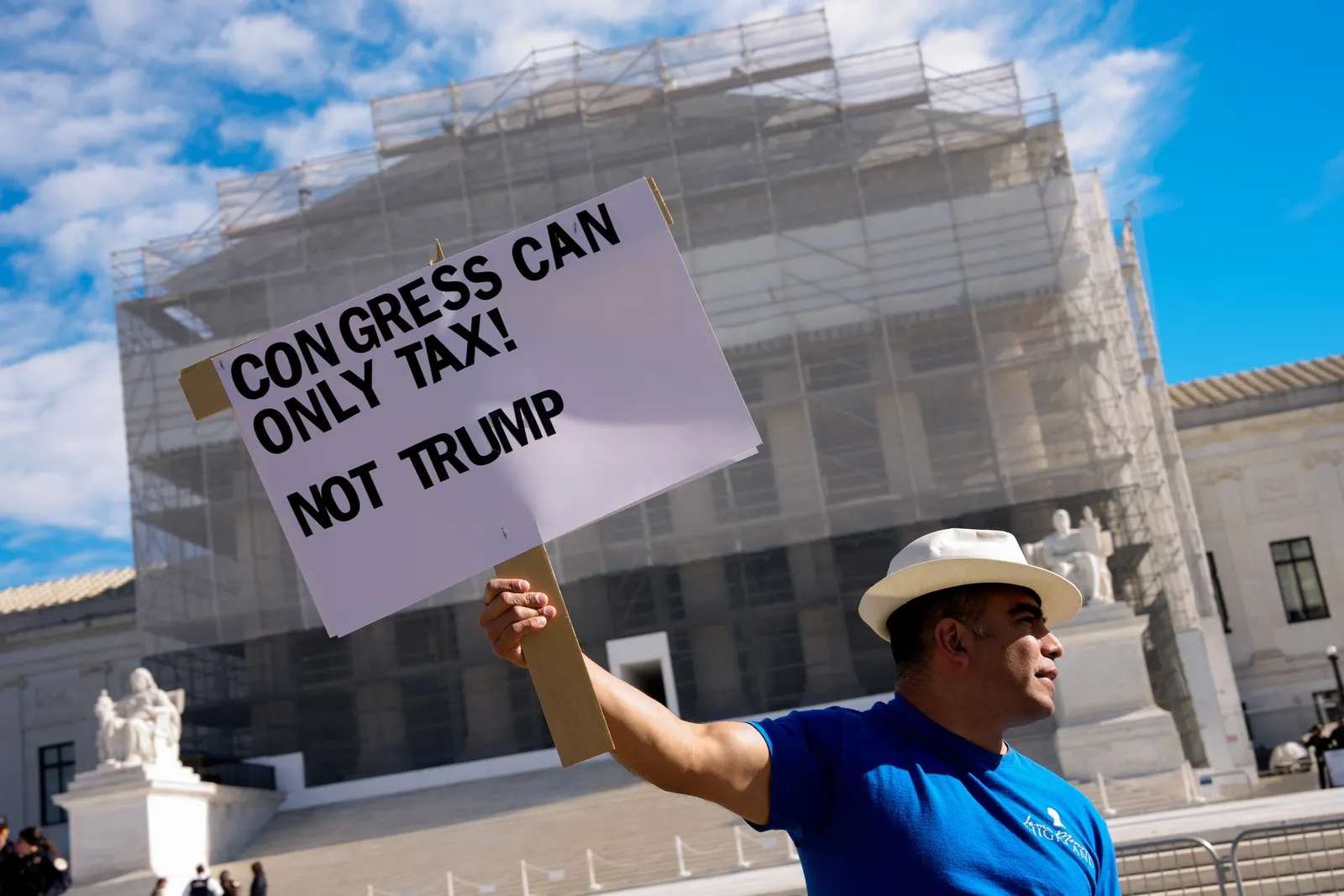
The Supreme Court could trigger billions of dollars in tariff refunds if it rules President Donald Trump's reciprocal tariffs as unconstitutional.
In November, several justices signaled skepticism toward the president's claim that the 1977 International Emergency Economic Powers Act gave him virtually unlimited authority to set both the amount and duration of tariffs on goods from any country.
Companies that have sued the Trump administration for refunds include Costco, Revlon Consumer Products and Bumble Bee Foods.
Refunding tariffs on such a massive scale would not be the Trump administration’s only challenge. The administration would also have to address the tariff agreements reached with the European Union and more than a dozen countries.
Trump strikes tariff deals with global leaders

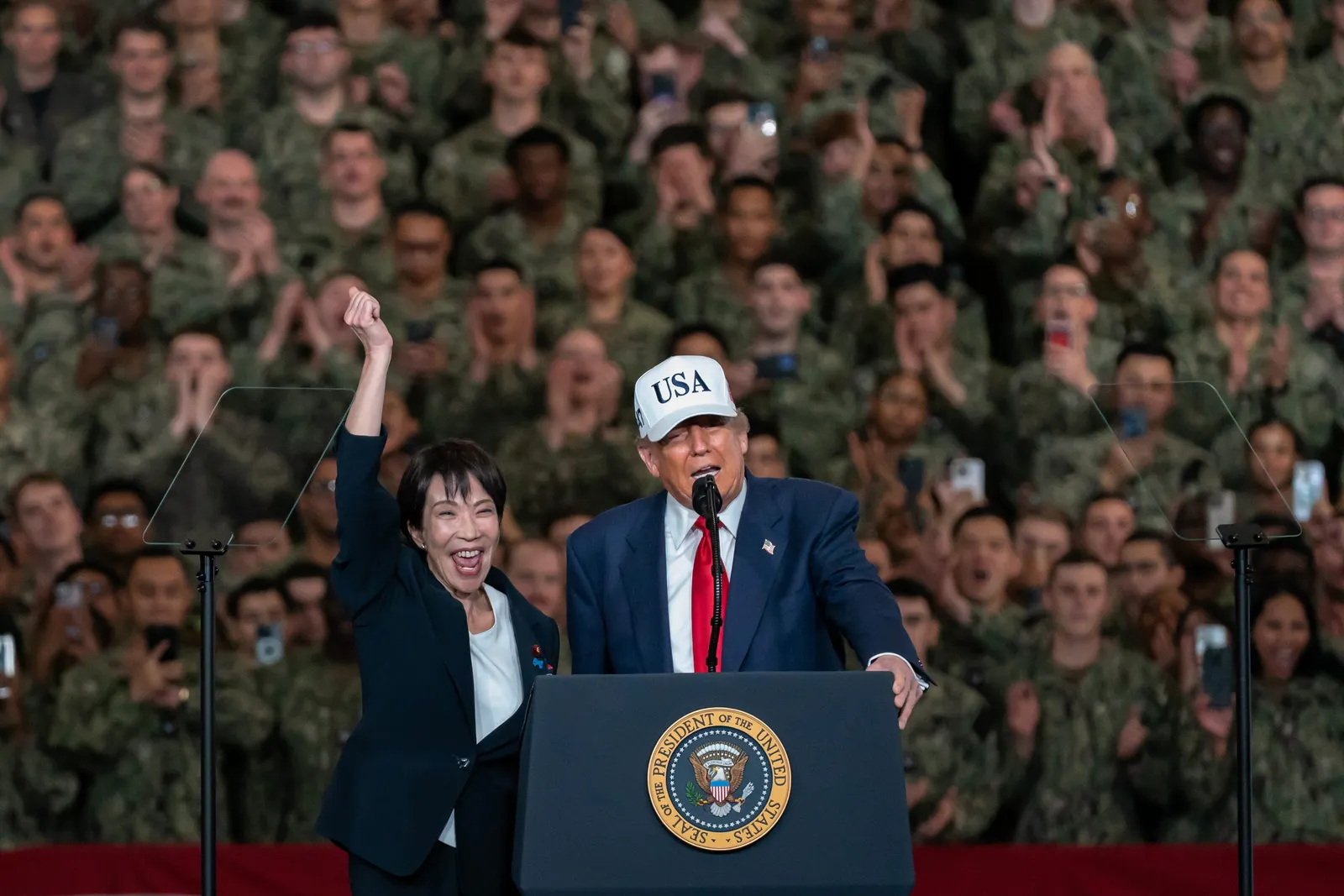
After an all-out tariff blitz in the spring, the Trump administration reached a series of tariff agreements and trade deal frameworks throughout the rest of the year, including pacts with major trading partners such as the European Union, Japan and South Korea.
Although some agreements have yet to be formalized, they have primarily focused on lowering tariffs and expanding market access for U.S. goods, with some codifying levies that Trump installed in August (after a 90-day pause of his so-called “Liberation Day” levies). Included among these pacts is a trade war truce between the U.S. and China following months of back-and-forth retaliation between the two countries.
UPS plane crash disrupts package deliveries
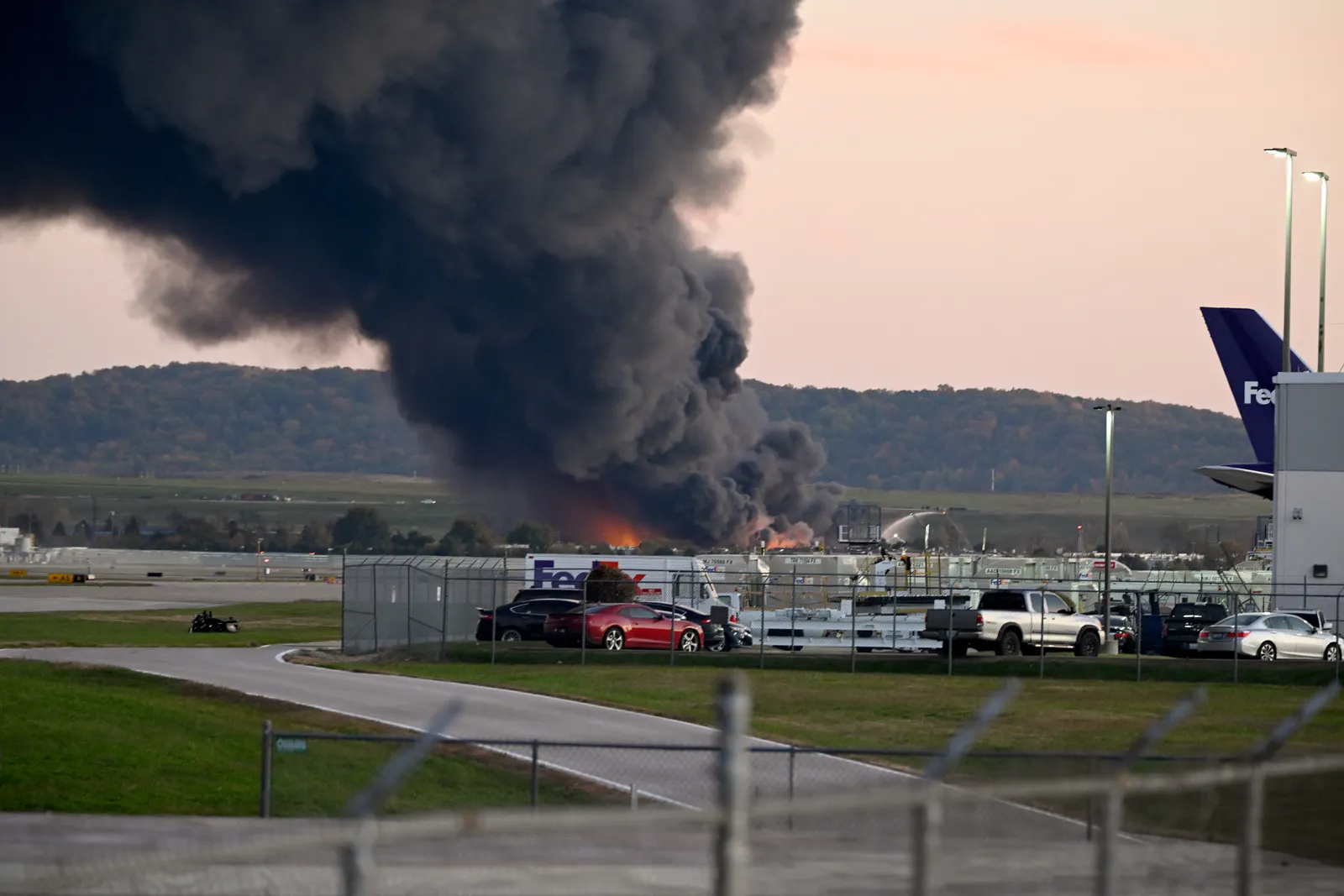
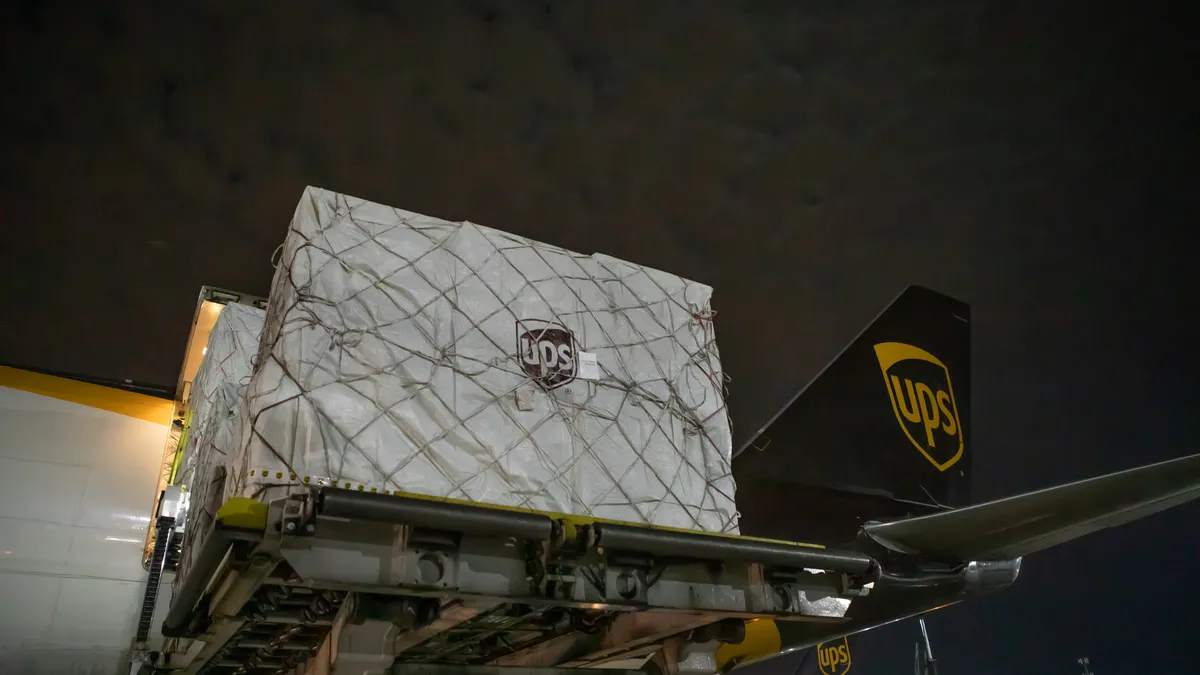
The crash of a UPS MD-11 aircraft on Nov. 4 killed 14 people, including the three crew members on board, and halted operations at the carrier's Worldport facility in Louisville, Kentucky.
Days later, UPS and FedEx grounded their entire MD-11 fleets at the recommendation of aircraft manufacturer Boeing. Both carriers deployed contingency plans to minimize disruptions to shipments. For example, FedEx has tapped into spare aircraft and leaned more on its ground transportation capabilities.
Tariffs tighten economic squeeze for retailers, manufacturers and consumers
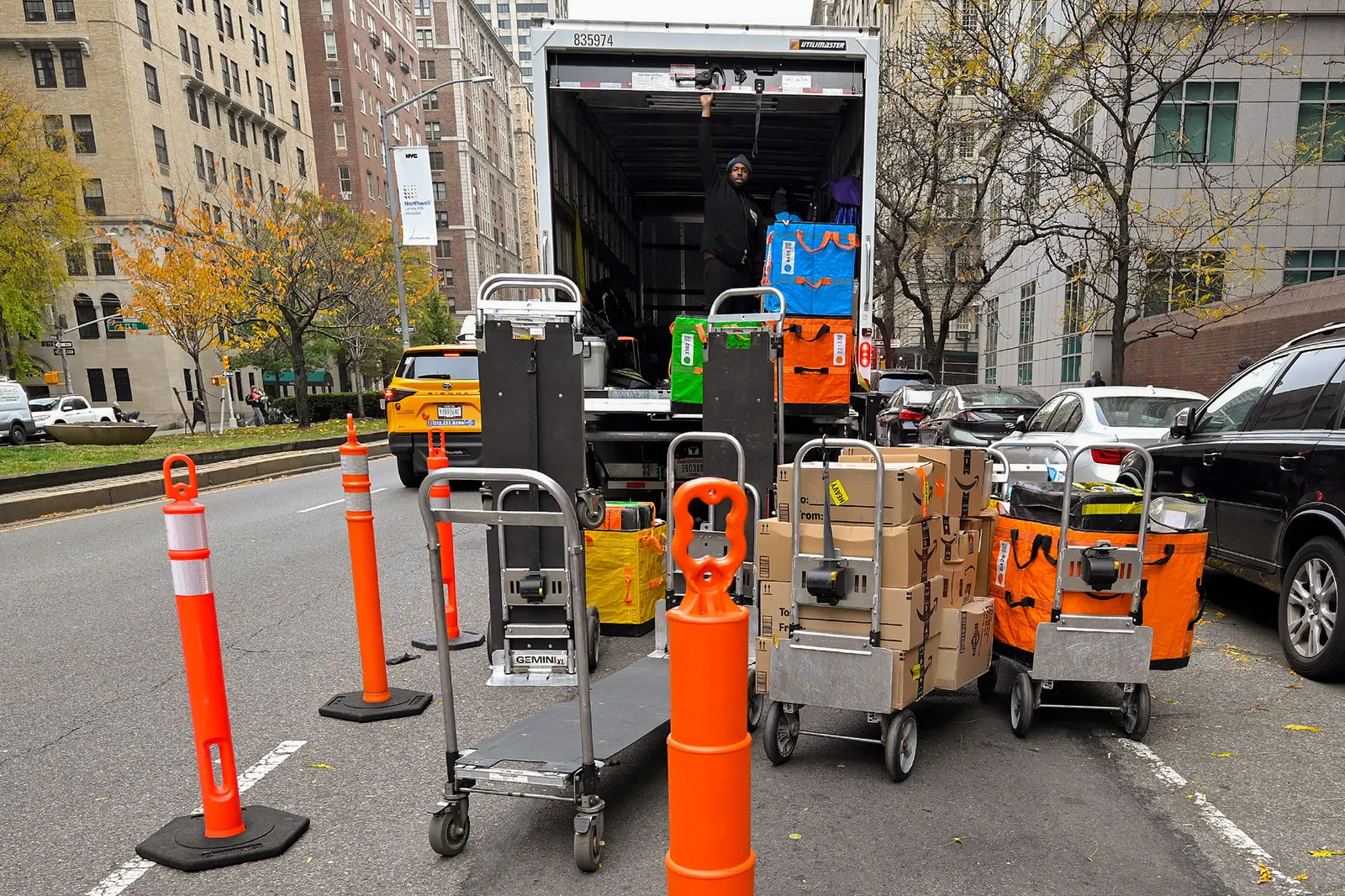
New tariffs from the Trump administration have added pressure on the sputtering U.S. economy. Levies have weighed on manufacturer and retailer price and cost structures for much of the year, with mitigation efforts, particularly price hikes, trickling down to consumers. Meanwhile, manufacturing production is in the midst of a protracted slump as unemployment and inflation remain a challenge.
Nevertheless, the Federal Reserve has cut interest rates, warehouse demand is up and overall consumer spending has remained relatively resilient, although peripheral metrics point to concerning trends entering 2026.