Dive Brief:
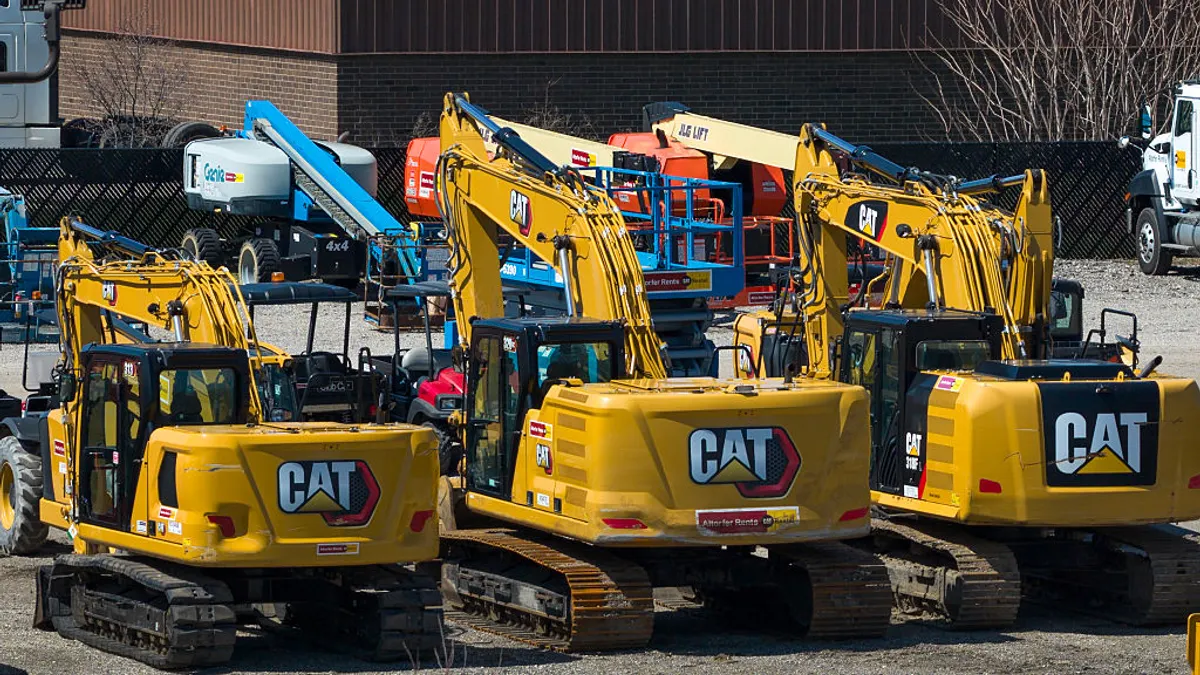
- Caterpillar recognized $392 million in overturned tariffs in the second quarter as levy costs were more than 40% below the company's prior estimate, Chairman and CEO Joseph Creed said in an Aug. 5 earnings call.
- The heavy-equipment maker incurred about $400 million in tariff costs in the quarter ended June 30 — excluding the invalidated duties — compared with a $700 million estimate provided in April, CFO Kyle Epley told investors.
- “While the situation around tariffs remains fluid, we continue to execute our mitigation plans,” Creed said. Caterpillar executives did not detail the company's mitigation plan on the earnings call. In January, however, then CFO Andrew Bonfield, who is set to retire Oct. 1, told investors the plan included pricing and sourcing changes and cost control actions.
Dive Insight:
Caterpillar joined rival Deere & Co. in recognizing hundreds of millions of dollars in refunds from U.S. Customs and Border Protection after a Supreme Court ruling this year invalidated country-specific tariffs the Trump administration installed in 2025.
Deere reported $272 million in levy refunds in June. The company also projected $900 million in net tariff costs for the fiscal year ending Nov. 1 as the administration collected Section 122 duties and adjusted Section 232 levies.
For Caterpillar, Epley forecast tariff costs of around $600 million in the current quarter, with 50% incurred in its Construction Industries segment and 25% in each of its Power and Energy and Resource Industries segments.
Caterpillar expects full-year 2026 tariff costs of around $2.2 billion — at the low end of its previously provided range, Epley said.
With its forecasted tariff costs lower than expected, Creed said he was confident the company would manage the impact over time. However, freight and other cost pressures were possible in the second half of the year, with "everything going on in the world," he said.
Companies other than industrial machinery manufacturers have also landed hundreds of millions of dollars in refunds for the defunct tariffs. For example, video game console maker Nintendo secured $300 million, while online retailer Amazon received $600 million.