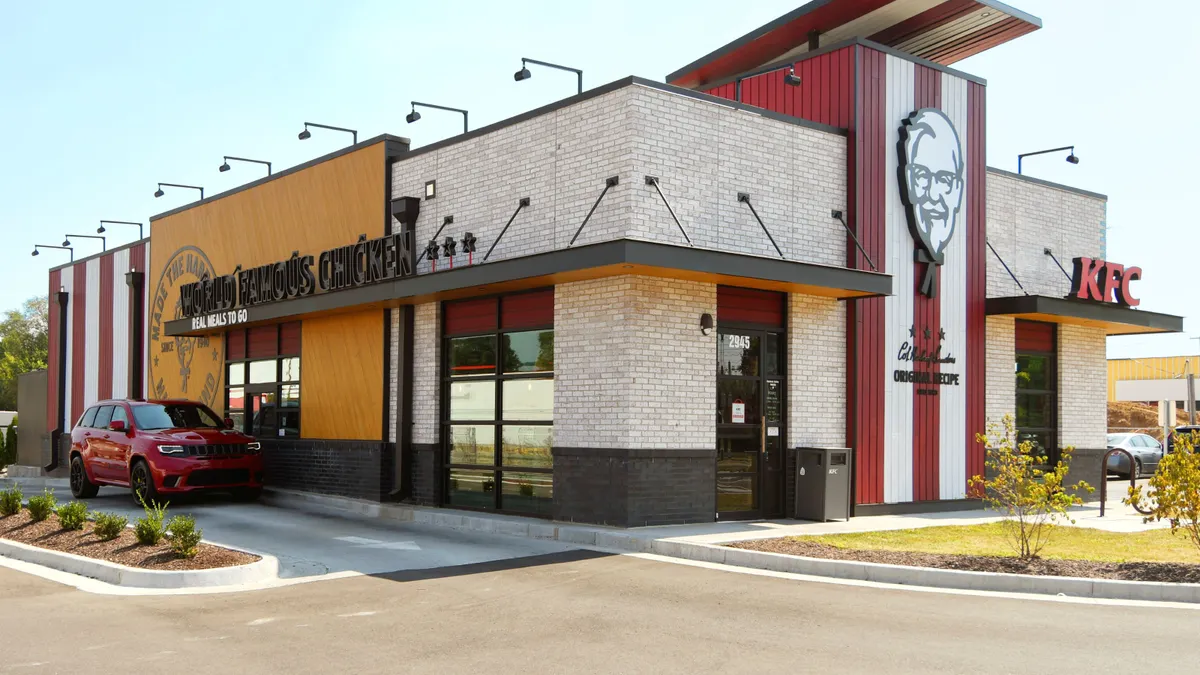

A year and a half into becoming Yum! Brands’ first chief supply chain officer, Eric Craft has his team focused on building deeper, more mature supplier partnerships. The goal? “To ensure our supply base is in place before our restaurants need it,” Craft told Supply Chain Dive in an interview.
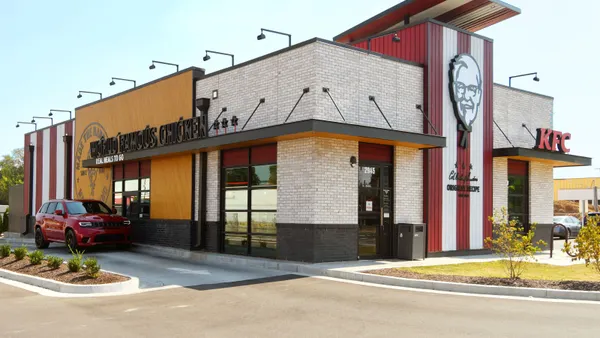
Today, Yum owns three brands — KFC, Taco Bell and Habit Burger & Grill — and operates more than 44,000 restaurants in 151 countries and territories. The restaurant giant’s franchisees open a new restaurant approximately every three hours.
Managing a supply chain of that scale requires Yum to closely vet its vendors to ensure consumers get consistent experiences whether they’re eating in a Taco Bell in Malaysia or the U.S. Suppliers must deliver the specs Yum requires while maintaining the level of quality, volume and capacity the company needs, Craft said.
While consistency is vital, it’s just as important that suppliers view Yum as a preferred customer and “an innovation partner,” Craft said, noting this type of symbiotic supplier relationship is becoming more critical today, amplifying competition in the supply base. Now, whenever a strategic supplier expands capacity, Yum works to ensure it is front of mind for those plans.
“You want a supplier that's on the edge of their seat, just like you are,” Craft said.
A unified model
One of the Yum’s missions in creating the company-wide CSCO role was to unify the supply chain and do business with suppliers as Yum collectively, rather than separately as KFC, Taco Bell and Habit Burger & Grill. When Craft transitioned from global chief supply chain officer for KFC into the new Yum position in 2025, supply chain strategy discussions were primarily about scale.
Today, Yum’s supply chain has matured to the point where scale is not the end goal but rather a means to improve restaurant economics, Craft said. Through economies of scale in the supply chain, franchisees can grow their revenues and invest back into their restaurants. Yum’s revenue increased 12% year over year in Q2, with KFC up 9% and Taco Bell growing revenue by 20%.
Because of the unified supply chain approach, Craft said his team didn’t “have to pivot greatly” from a supply chain perspective when Yum sold Pizza Hut for $2.7 billion this year. Aside from slight category changes, like no longer procuring pizza dough, Yum’s supply chain strategy has remained largely intact following the sale, allowing the company to scale up or down depending on specific needs.
“The model is such that we flex for the region or flex for the brand when it's there. But then we also level up to Yum’s scale when that's appropriate,” Craft said.
Flexing with suppliers
When the three restaurant chains share a common ingredient, such as poultry, Yum uses its collective scale to source large quantities of supply and distribute the ingredients across the brands. However, each restaurant’s needs for common ingredients are “different in terms of the specificity of the menu,” Craft said. For example, KFC is in the midst of a turnaround, which includes a shift toward more boneless chicken and tenders designed for dipping and snacking.
Specs can vary by geography as well, Craft said. In that situation, Yum makes sure to maintain relationships with local or regional suppliers who can supply specific ingredients to restaurant locations.
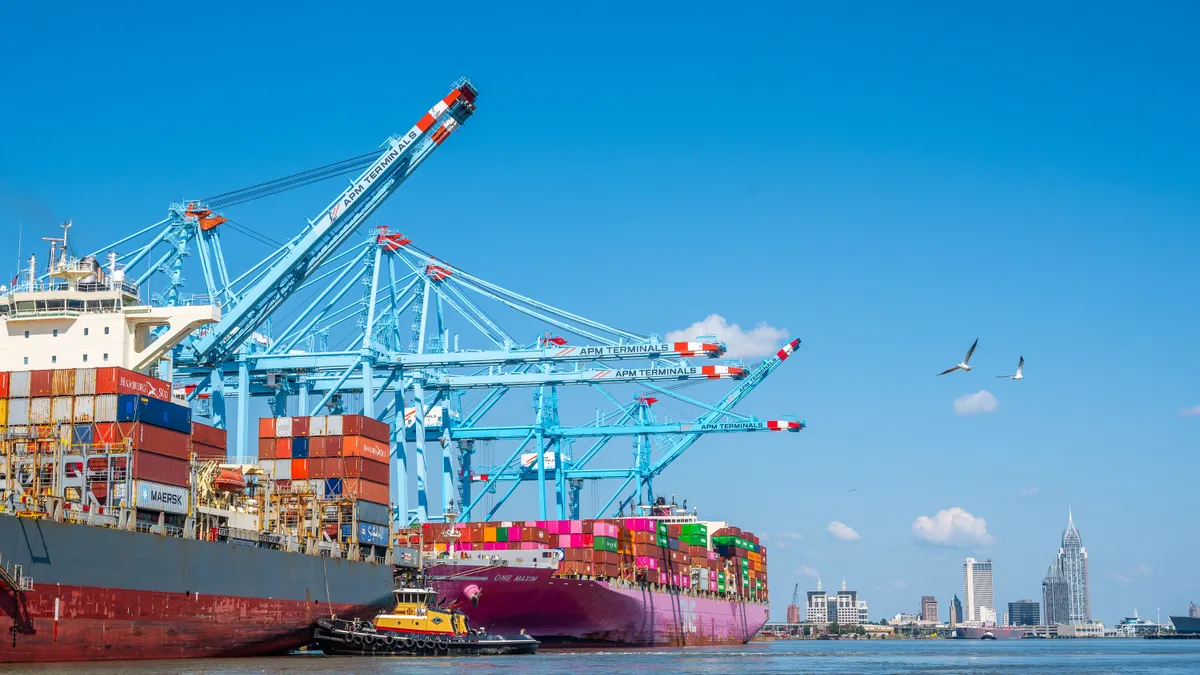
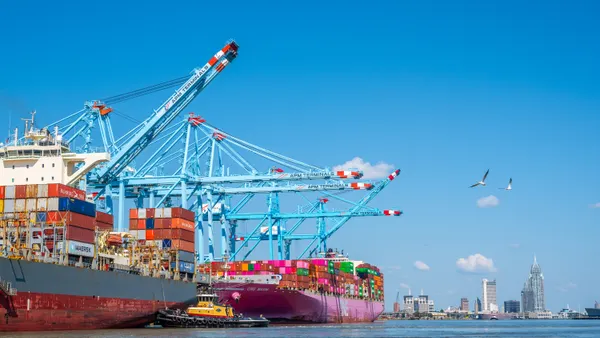
Those local partnerships also help when supply chains face disruptions. If weather shuts down a port, or a geopolitical conflict reroutes a transportation network, Yum can temporarily increase volume with local suppliers.
“We can't predict every disruption that comes,” Craft said. “But we have enough flexibility in our supply base such that we have strategic suppliers that are ready to flex with us.”
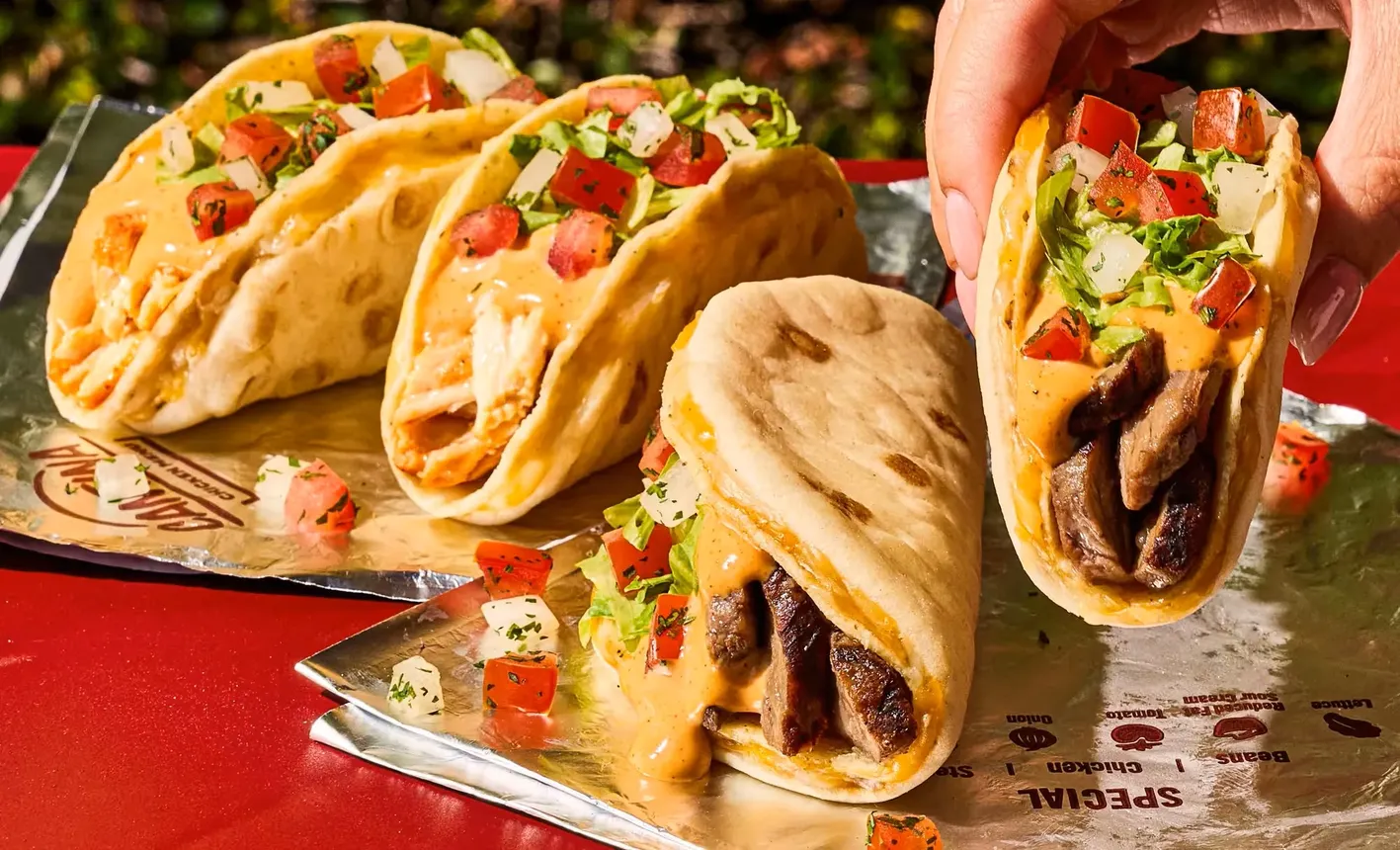
Yum also innovates in lockstep with its suppliers, particularly when restaurants release seasonal menu items or limited time offers — like Taco Bell’s September debut of the Gordita Crunch Duos, a snack-sized version of its popular Cheesy Gordita Crunch.
For any of these offerings, Yum starts with internal discussions among its innovation, food safety, marketing and supply chain teams. Then, instead of sending a purchase order right away, it shares those plans with food and packaging suppliers so they’re “fully aware of the vision,” Craft said. This fosters an open, bidirectional discussion through which suppliers might flag potential issues around capacity or availability, or even recommend a different innovation.
“They truly understand what we're trying to accomplish, and they're part of the solution development,” Craft said. “That's the critical breakthrough from transactional relationships to a true strategic partner.”