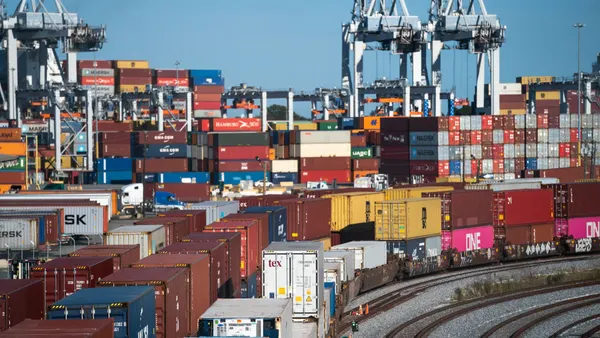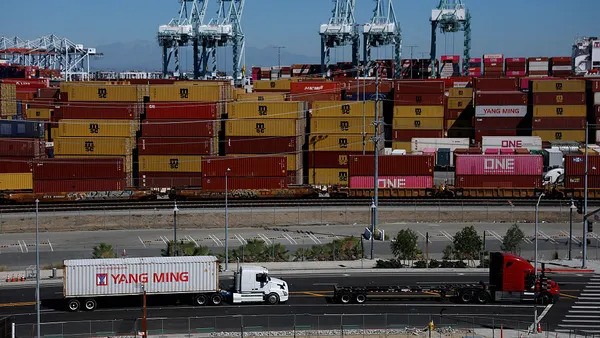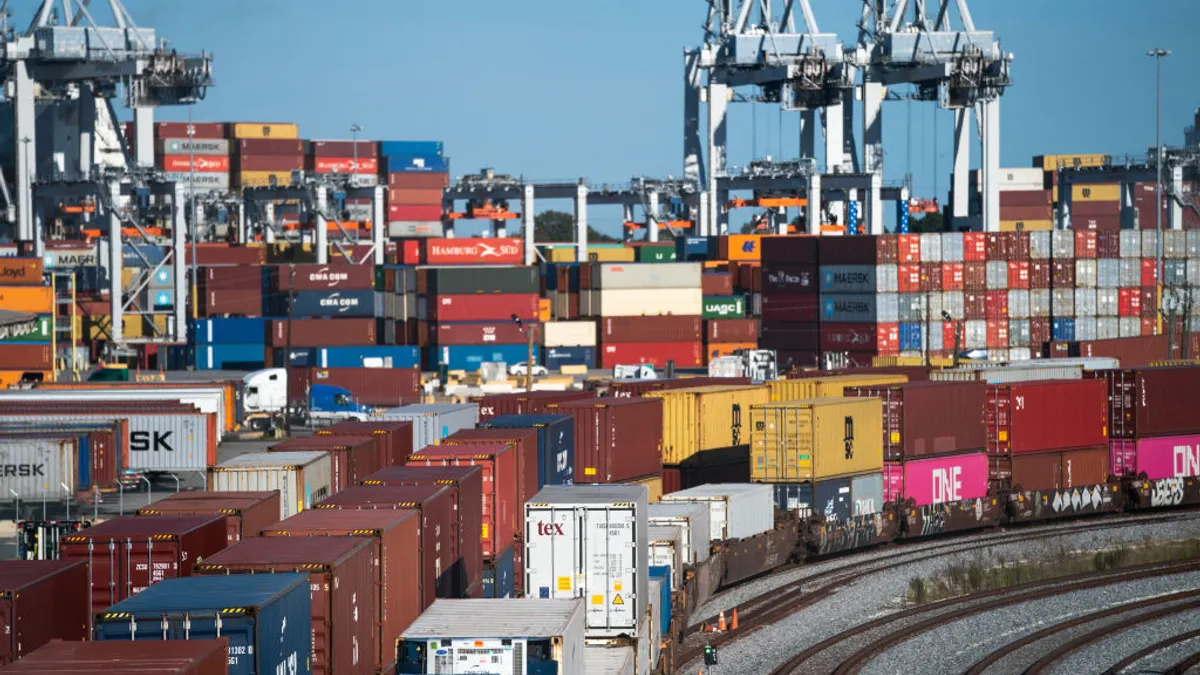
Trade groups and shipper associations representing retailers, manufacturers and other importers are urging U.S. Trade Representative Jamieson Greer to permanently suspend Section 301 fees on China-built or China-linked vessels, according to an Oct. 30 letter to the agency.
Section 301 fees on China-linked vessels have been paused for a year. The current suspension is set to lift Nov. 9. Last month, USTR proposed extending the suspension until Jan. 9, 2027. USTR asked for public comments in the federal filing, which were due Oct. 30.
The paused fees range from $18 per ton to $120 per container with a policy aimed to incentivize domestic shipbuilding by offering vessel owners an up-to-three-year exemption on fees if they ordered a new U.S.-built vessel.
In the letter addressed to Greer, stakeholders said that fees set for Jan. 2027 would “add another cost layer to an already strained transportation system. Because China-built vessels represent a meaningful share of global ocean carrier capacity, the practical effect of the Section 301 vessel fees would not be limited to a narrow set of market participants.”
More than 250 stakeholders signed the letter, including the National Association of Manufacturers, the National Retail Federation, the World Shipping Council and the U.S. Dairy Export Council.
There are also concerns the fees would increase uncertainty for shippers that have limited control over the operations or construction of the vessels used to transport their goods.
Ocean freight rates on the Transpacific trade lane have remained elevated this year as the Iran war and tariffs have pushed shippers to scrap traditional shipping patterns. Shippers are also dealing with higher transportation costs stemming from higher diesel prices.
Concerned groups argue that the pause on fees has shown that fees alone are not a viable strategy for reviving the U.S. shipbuilding industry. Challenges that remain and are contributing to China’s dominance include limited domestic shipbuilding capacity, workforce constraints and a lack of competitive alternatives, per the letter.
A continued pause on fees or a permanent suspension “would also provide USTR additional time to continue negotiations with China, coordinate with allies and partners, and pursue policies that expand U.S. shipbuilding and maritime capabilities without imposing near-term costs on American freight users,” per the letter.
Editor's note: This story was first published in our Logistics Weekly newsletter. Sign up here.