Dive Brief:
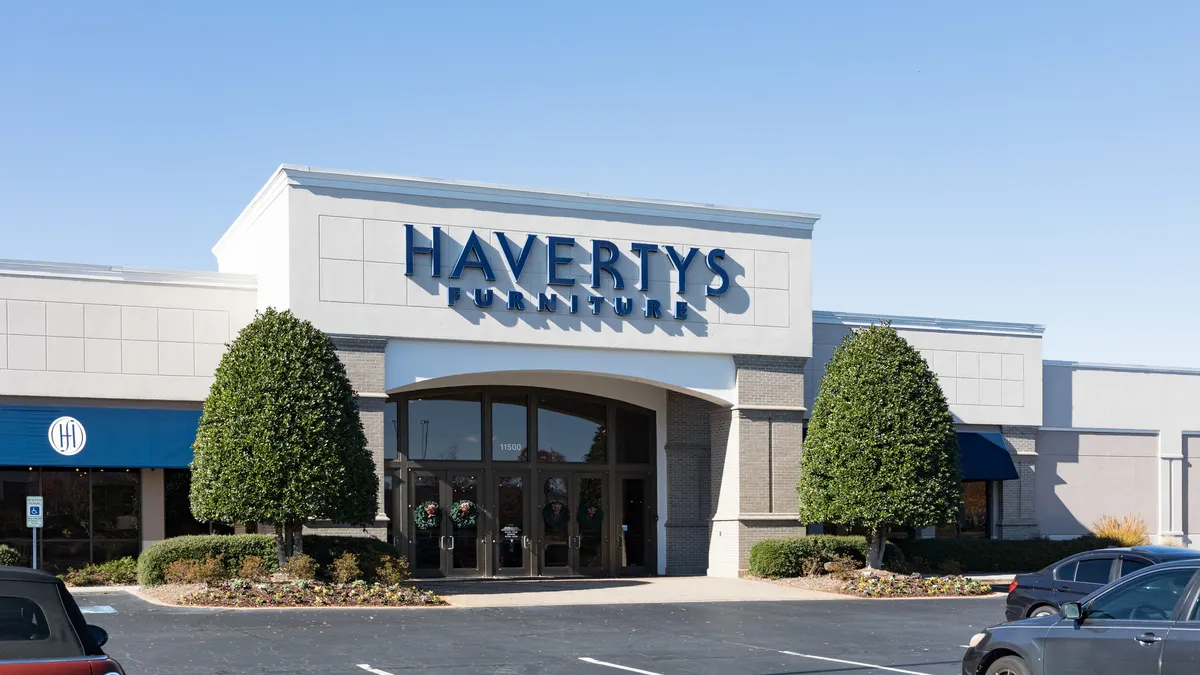
- Rising fuel prices spurred by the Iran war are cascading into higher prices throughout Havertys Furniture's supply chain, President and CEO Steven Burdette said on a May 5 earnings call.
- In Q2, the increases will lead to higher vendor input costs, surcharges on container bunker fuel rates, and rising fuel expenses for the furniture retailer’s fleets that transport goods between warehouses and provide home delivery services, Burdette said.
- The heightened costs will affect Haverty’s margins and expenses, but Burdette said the company is hopeful the cost pressures will mitigate over time when the war ends.
Dive Insight:
Havertys is one of several furniture companies navigating the ripple effects of the Iran war, which has disrupted transit in the Strait of Hormuz, a key oil passageway. Bob's Discount Furniture also flagged cost pressures such as incremental fuel-related trucking surcharges earlier this month.
Havertys executives didn't detail specific mitigation strategies for higher fuel costs in the earnings call. Despite those pressures, the company is keeping its 2026 gross profit margin projection the same — between 60.5% to 61%.
"So we've kind of baked in a bit of a cushion there, and that's why we left our gross margin guidance alone," EVP and CFO Richard Hare said on the call.
Fuel costs are also weighing down consumer demand for home furnishings, Wayfair co-founder and CEO Niraj Shah said in an April 30 earnings call, adding to a sluggish housing market and other obstacles for the furniture industry.
Despite sector headwinds, Havertys is optimistic about its customer demand outlook, according to Burdette. The company posted a comparable store sales increase of 4.3% year over year in Q1, due in part to strong Presidents' Day demand and higher average tickets.
"Our merchandising and supply teams continue to focus on bringing in the latest trends to meet customer demand," Burdette said. "The merchandising team has become more nimble in assortment planning, enabling us to get newer products to the floors faster."
Beyond the furniture sector, consumer packaged goods companies Procter & Gamble and WD-40 have flagged increased supply expenses stemming from the Iran war, and food manufacturer Lamb Weston is bracing for increased commodity volatility.