Dive Brief:
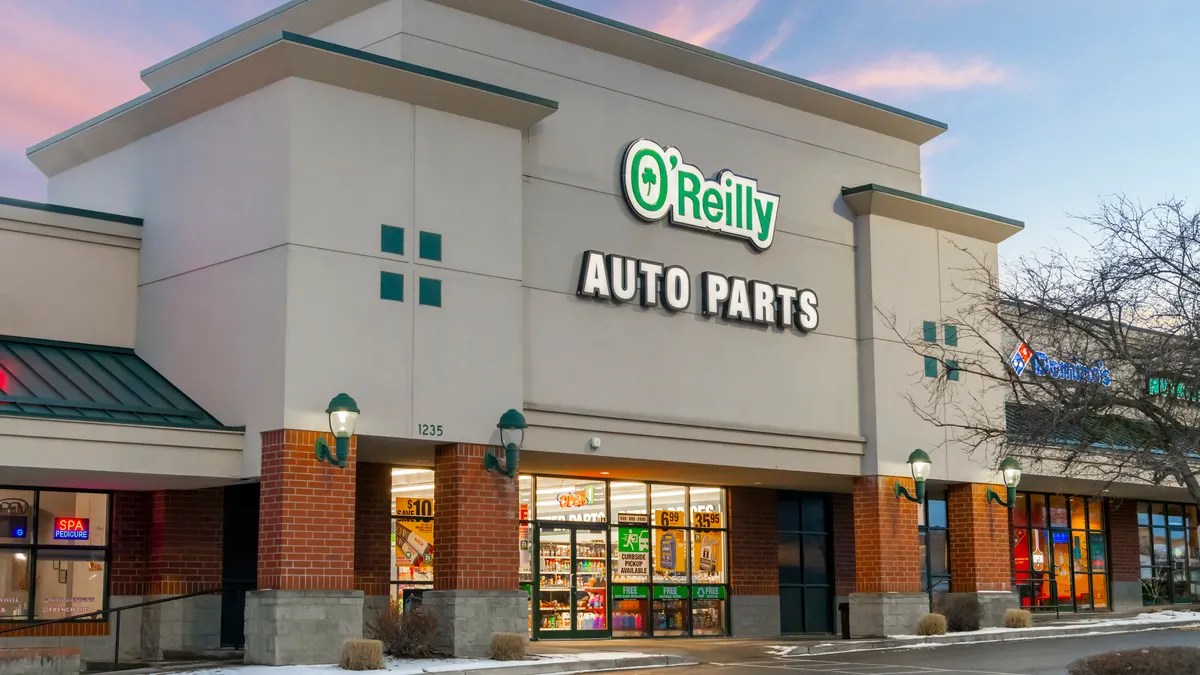
- O’Reilly Automotive has been prioritizing the development of its private label portfolio as it pursues greater product control and the ability to source a single SKU from multiple suppliers.
- The focus on private label is creating a “significant benefit to us,” President Brent Kirby told analysts during an April 30 earnings call. During Q1 of O’Reilly’s fiscal year, private label sales accounted for more than 50% of total revenue. In addition, private labels build customer loyalty and improve margins, Kirby said.
- “When supply chain constraints emerge, having the ability to adjust orders and demand across a broader base of suppliers is an important tool for our teams to leverage in order to maintain a strong in-stock position,” Kirby said.
Dive Insight:
O’Reilly’s focus on its private brand is part of a larger push to diversify its supplier base, seek alternative sourcing options when needed and mitigate higher costs, Kirby told analysts.
“The great thing about that private brand portfolio is it does give us that sourcing capability that is much broader, and we can source from multiple suppliers, the same SKU, quality in the box, form, fit and finish,” Kirby said.
Kirby touted O’Reilly’s strong supplier relationships and said they’re particularly helpful during “challenging situations surrounding international trade and geopolitics for an extended period of time now.”
The auto parts retailer is keeping an eye on the Iran war and its impact on the supply chain, particularly its motor oil supply. While there has been some pressure on the retailer’s supplier base due to pricing, its merchandise teams have already been working with oil suppliers to mitigate the issue.
Regardless, as of now Kirby said O’Reilly has yet to see any material impact on Q1 nor has it adjusted its full year outlook.
A majority of that is attributed to O'Reilly's efforts to strengthen its supplier relationships, a strategy the retailer has also been leveraging as a shield against recent tariffs. Last year, Kirby said O’Reilly was monitoring supplier health, such as assessing shipping performance and product quality. Supplier diversification has also been a longtime goal.
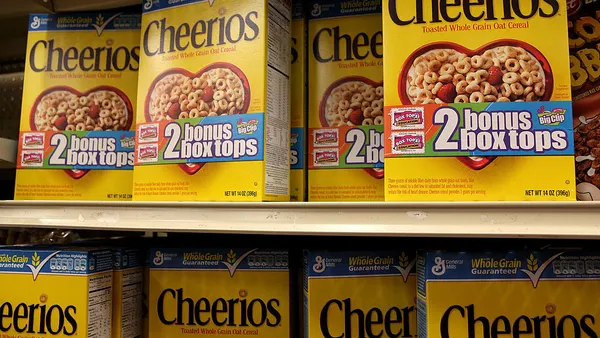
Other retailers have also been leaning on private brand portfolios, especially as affordability concerns continue to shape consumer behavior. Compared to 2024, private label product sales were up 3.3% in the U.S. in 2025, setting a record high, according to Circana statistics published by the Private Label Manufacturers Association.
Costco has been pushing a similar strategy, telling analysts last year the retailer has been leaning into its Kirkland Signature brand in addition to ramping up domestically sourced items. EVP and CFO Gary Millerchip said Costco’s private label brand has provided alternatives to goods impacted by tariffs, driving the launch of more than 30 new Kirkland Signature products.