The U.S. Trade Representative is leading a Section 301 investigation into Vietnam’s intellectual property protection and enforcement acts, policies and practices, according to a Friday Federal Register filing.
The probe will examine whether Vietnam’s “persistent failure” to resolve concerns around IP protection and enforcement harms or restricts U.S. commerce, according to a USTR press release. Per the Federal Register filing, the investigation will evaluate practices related to online piracy, counterfeit goods, border enforcement, unlicensed software use, and cable and satellite signal theft.
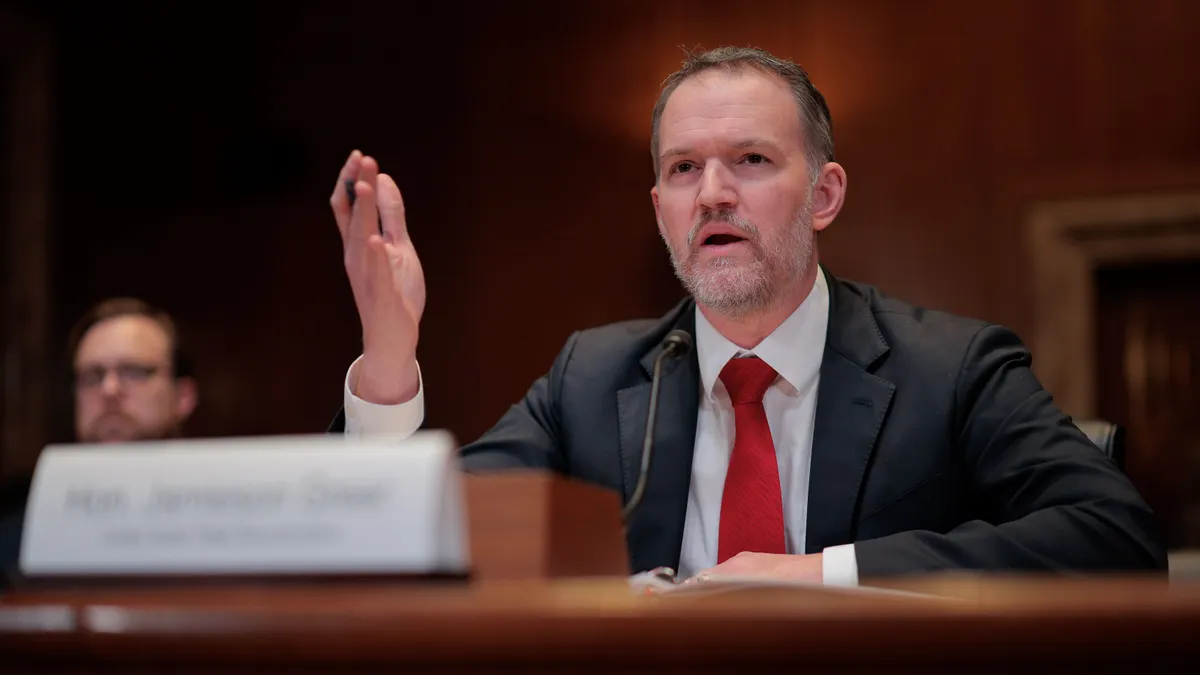
“While Vietnam has recently taken some steps toward addressing IP concerns that the United States has chronicled over many years in USTR’s Annual Special 301 Report, IP infringement in Vietnam continues to impair the competitive position of U.S. innovators and creators,” U.S. Trade Representative Jamieson Greer said in the press release. “We need to see Vietnam resolve these long-standing concerns, including on a range of IP enforcement issues, in a manner that is sustained and that deters future IP infringements.”
The USTR initially identified Vietnam as a “priority foreign country” in April in its 2026 Special 301 Report, per the Federal Register filing. The annual report reviews the IP practices of trading partners to determine whether to initiate a Section 301 investigation. The Office of the USTR will begin accepting public comments on the probe Friday. The deadline to submit comments is July 2.
The Trump administration has previously used Section 301 investigations as a precursor to tariffs.
Last year, the U.S. initiated a Section 301 investigation into Brazil’s trade practices to determine whether the country’s policies and actions negatively impact U.S. commerce.
The USTR is also conducting two separate Section 301 investigations into China, including a review of tariffs on China imports implemented during the first Trump administration. The first phase of the review kicked off earlier this month. Last year, the U.S. initiated a Section 301 probe to examine whether China has held up its end of the “Phase One Agreement” signed in January 2020.