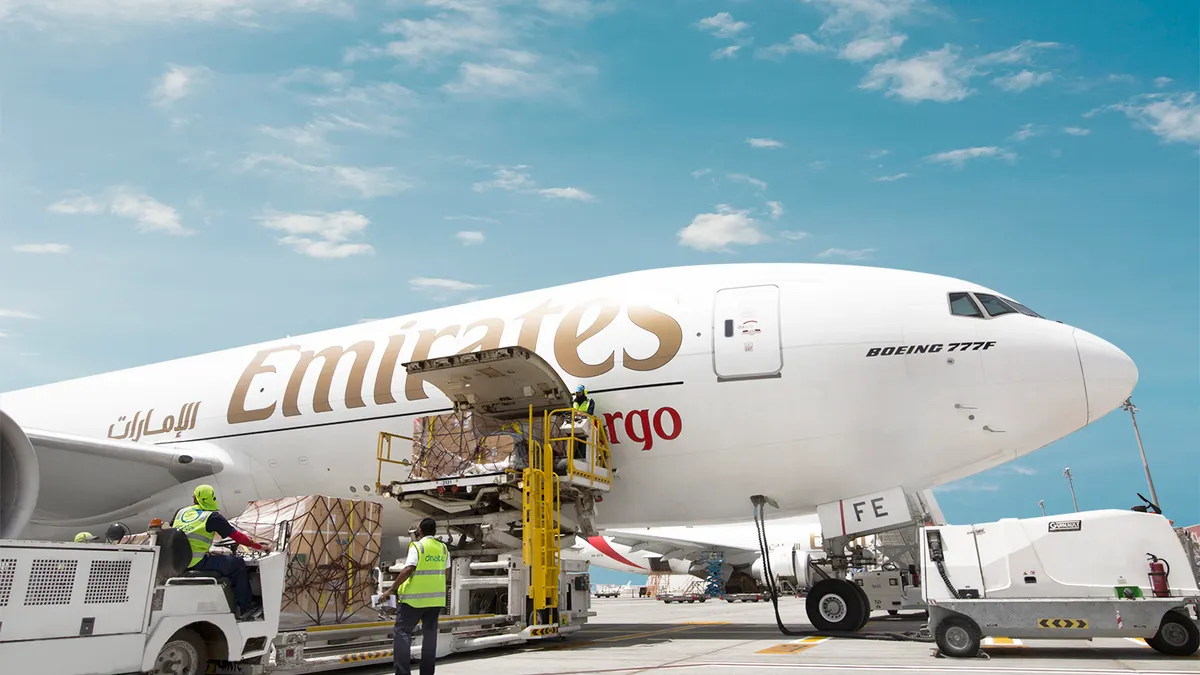
The United States will opt for trade negotiations instead of tariffs to address imports of commercial aircraft, jet engines and parts following a Section 232 investigation into the sector.
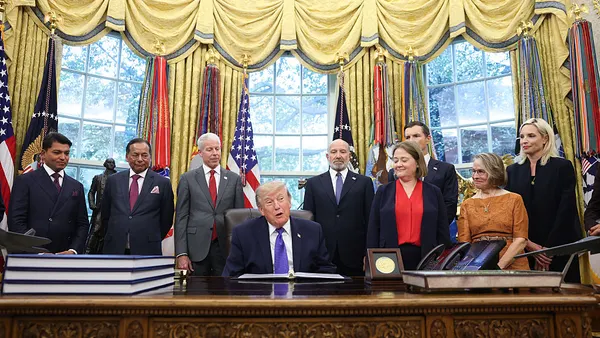
In a proclamation signed Thursday, President Donald Trump directed the Secretary of Commerce and the U.S. Trade Representative to pursue or continue negotiations with trading partners in an effort to adjust import levels of commercial aircraft imports, jet engines and parts.
The president said the action was necessary based on findings from a Section 232 probe launched last year by the Secretary of Commerce. The investigation revealed the shipment of such goods into the U.S. threatened national security and the economy, according to the proclamation. However, Trump is choosing diplomacy over financial pressure in keeping with the investigation’s recommendations.
“The Secretary also recommended that no immediate tariffs be imposed under section 232,” Trump wrote.
Cabinet officials will report back to the president within six months on the progress of negotiations. Although tariffs are not on the table currently, the president said he “may consider alternative remedies in the future.”
Trump's decision to hold off on tariffs is not a wholesale reversal of precedent, although many Section 232 investigations have led to levies, such as those on steel and aluminum. Similar to Thursday’s proclamation, the president in January directed cabinet officials to conduct discussions with trading partners over critical mineral and certain semiconductor imports rather than enacting tariffs.