The United States and Bangladesh have signed a reciprocal trade agreement to lower tariffs and address other trade-related matters, according to a Monday press release from the Office of the U.S. Trade Representative.
Under the agreement, the U.S. said it would lower the reciprocal tariff rate on imports from Bangladesh to 19% and remove levies entirely for goods that qualify for exemptions under a September executive order. Signed by U.S. President Donald Trump on Sept. 5, the order lists goods that are eligible for duty-free status as part of finalized trade agreements.
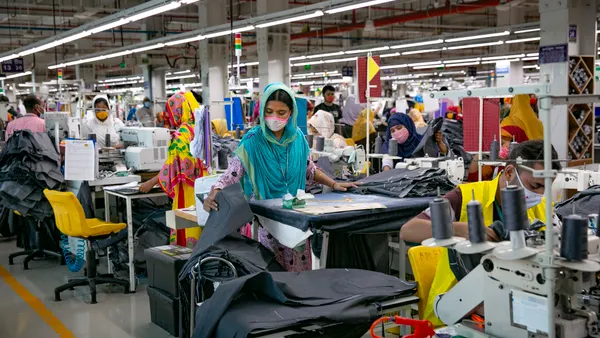
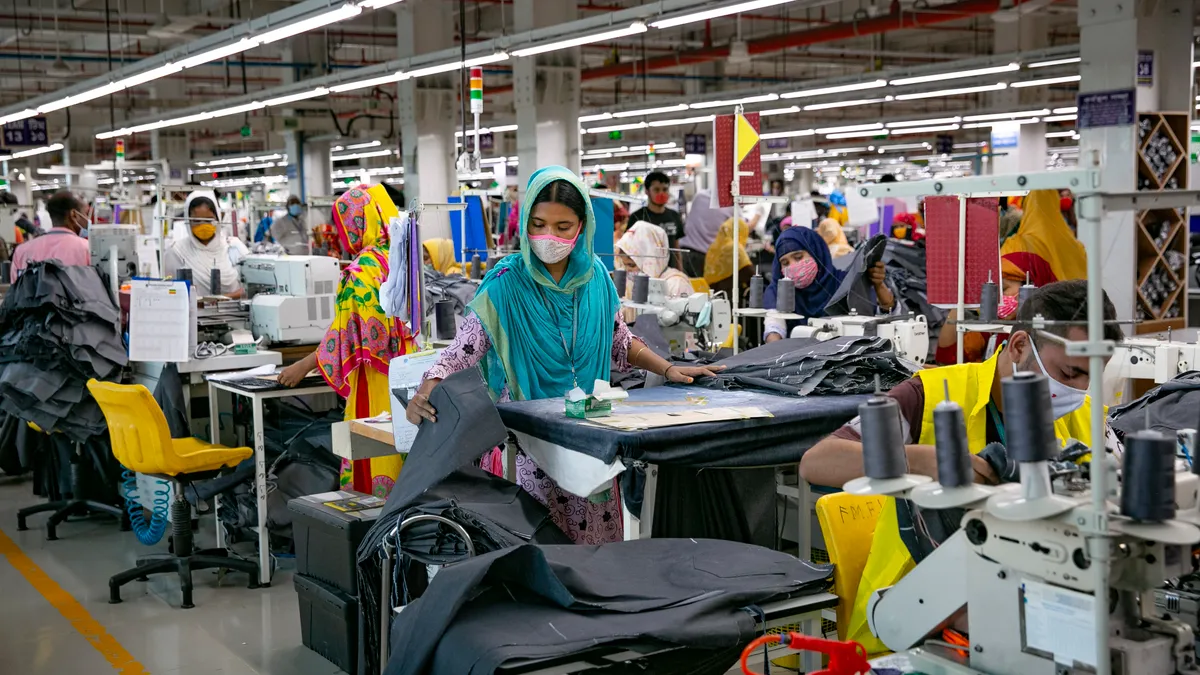
Beyond reciprocal tariffs, the U.S. also said it would establish a mechanism to allow a “to-be-specified” amount of textile and apparel imports from Bangladesh to receive tariff exemptions based on the volume of U.S. exports of similar goods, per a joint statement published by the White House
Imports from Bangladesh have faced a 20% tariff since the Trump administration finalized its country-specific reciprocal levies in August.
Bangladesh agreed to enact plans to reduce tariffs on numerous U.S. goods and to accept U.S. standards for products such as automobiles and food. Bangladesh also said it would expand market access for U.S. agricultural goods and commit to buying $3.5 billion worth of products such as wheat, soy, cotton and corn, according to the joint statement. Bangladesh further plans to remove value-added and digital services taxes while strengthening intellectual property, labor and environmental protections.
In another provision of the agreement, Bangladesh plans to purchase $15 billion of U.S. energy products over the next 15 years and to adopt measures to address practices of companies owned by third countries that export below-market goods to the U.S.
“Today’s signing of the Agreement on Reciprocal Trade with Bangladesh is the first in South Asia and marks a meaningful step forward in opening markets, addressing trade barriers, and creating new opportunities for American exporters,” U.S. Trade Representative Jamieson Greer said in a statement.
Although both countries have reached an agreement, the pact will go into force 60 days after each country provides notice that it has formalized the terms internally.
The Trump administration also reserves the right to terminate the pact if Bangladesh enters into a bilateral trade agreement that would harm U.S. interests. Notably, if the agreement is rescinded, the terms state that the U.S. would reset tariffs on Bangladesh to the rate Trump set last April. At the time, the president planned to impose a 37% levy on imports from Bangladesh.
This latest trade pact comes on the heels of the U.S.’ framework trade agreement with India as well as the formalization of a string of pacts with U.S. trading partners in Central and South America, including Argentina, Guatemala and El Salvador. However, the U.S. has also recently created turbulence for previously formalized agreements, including those with the European Union and South Korea.