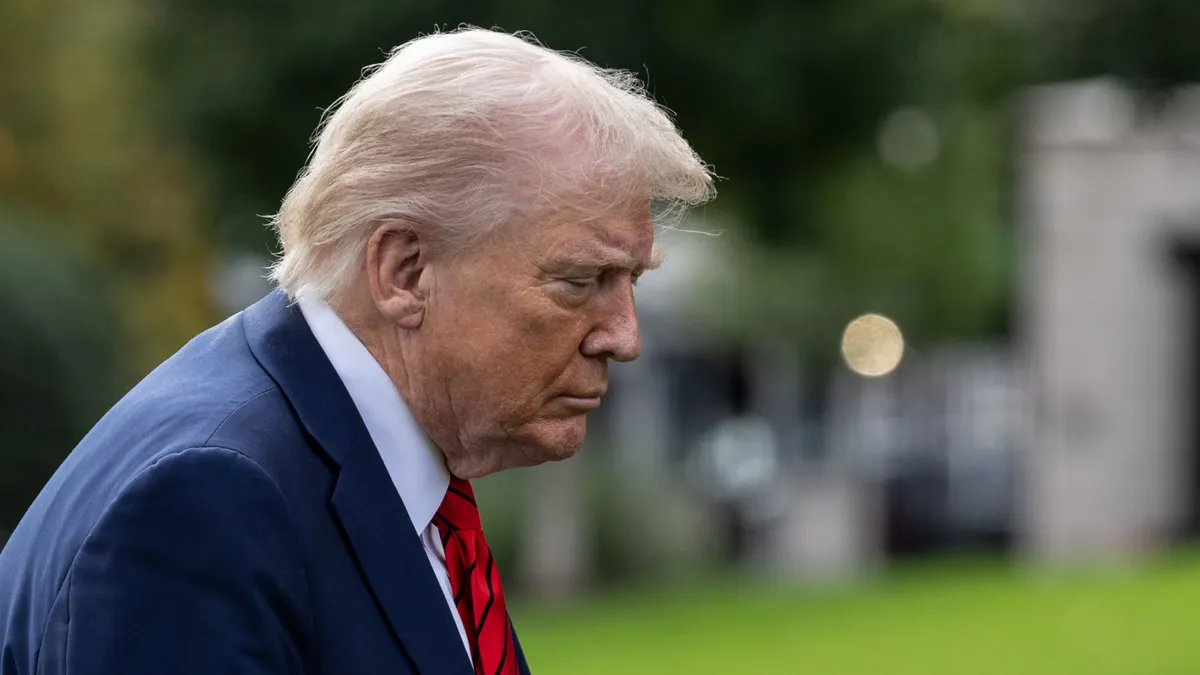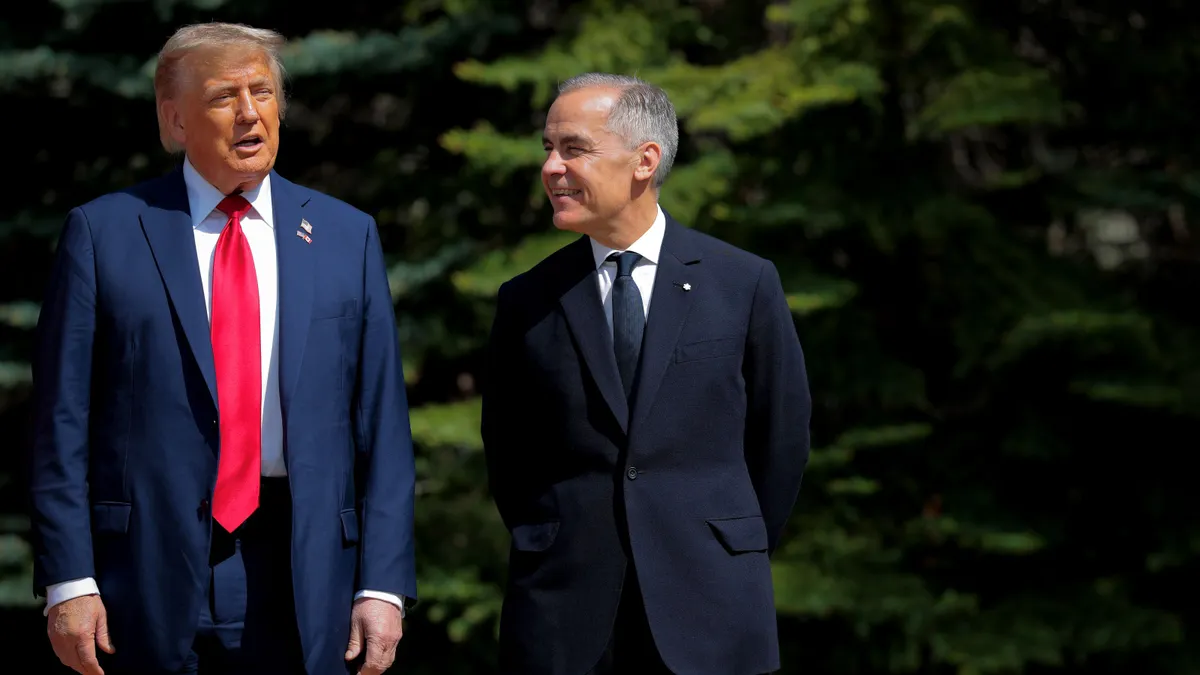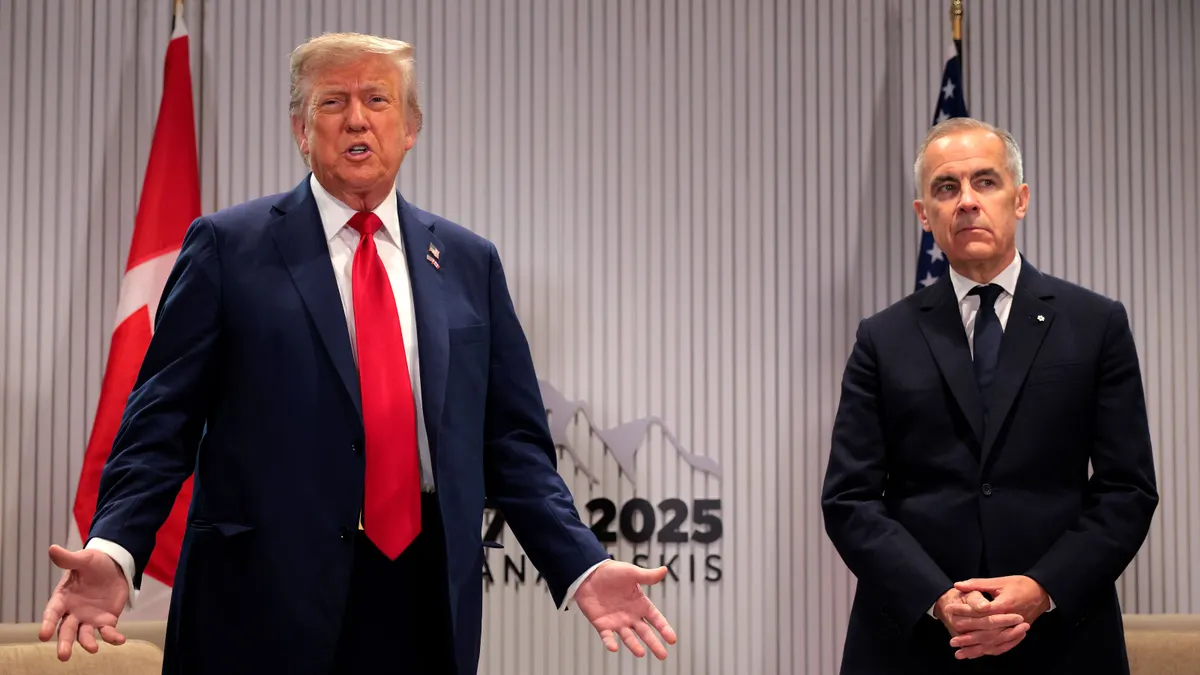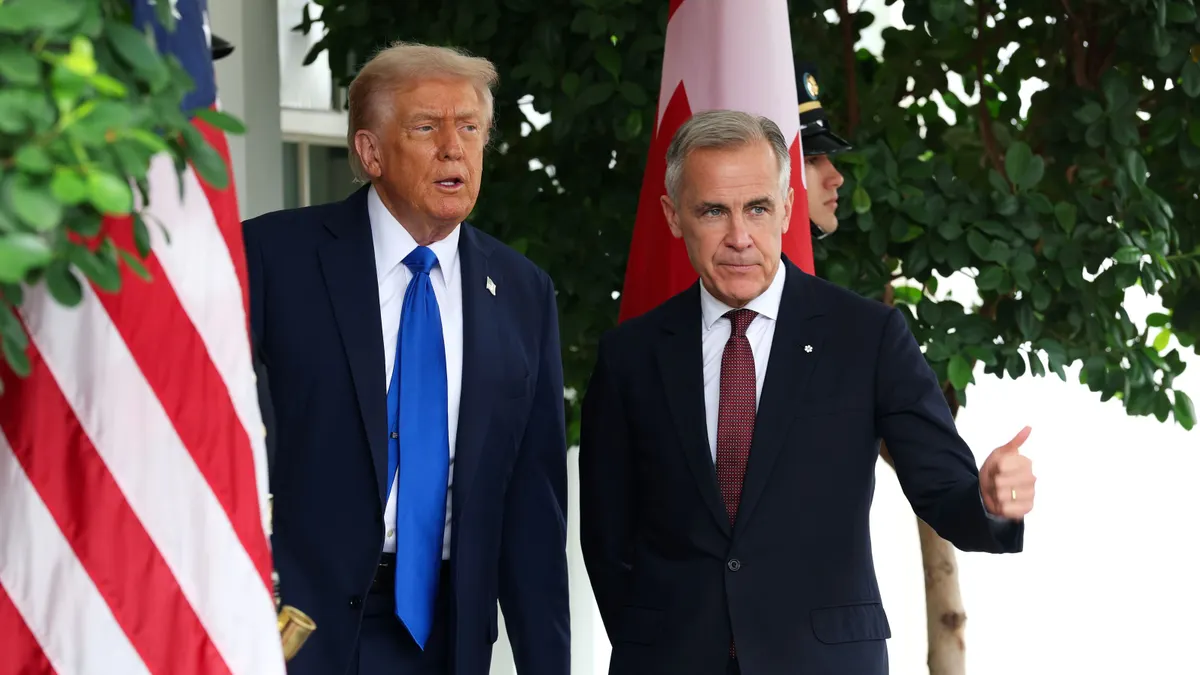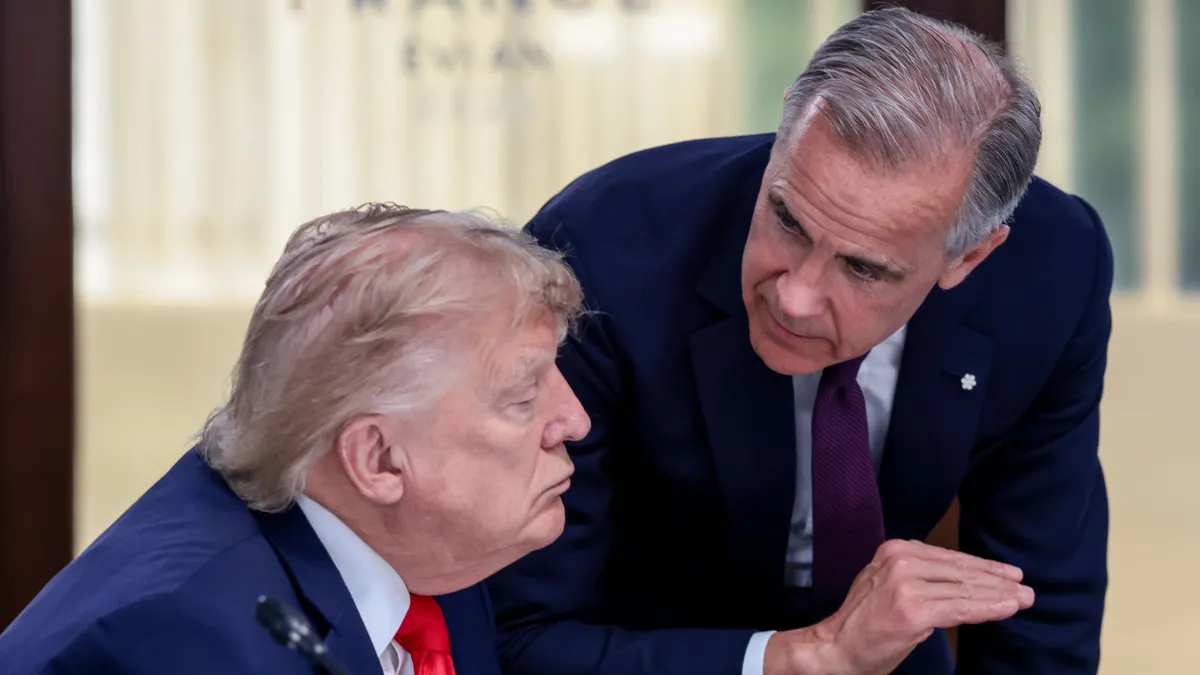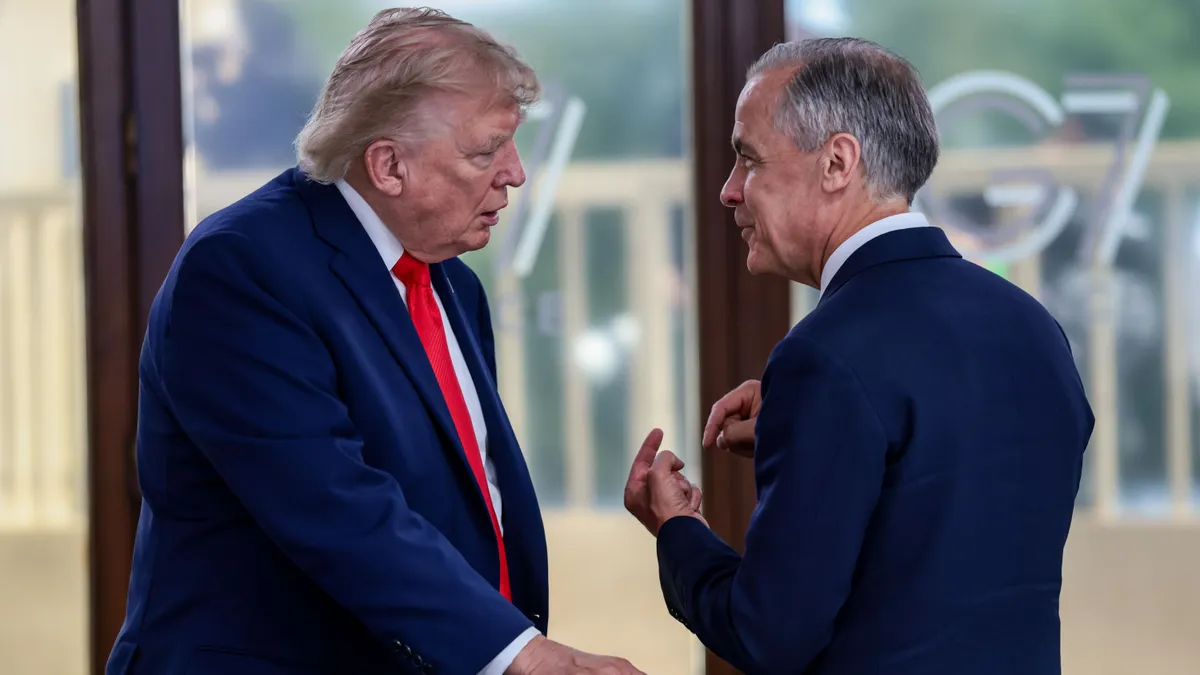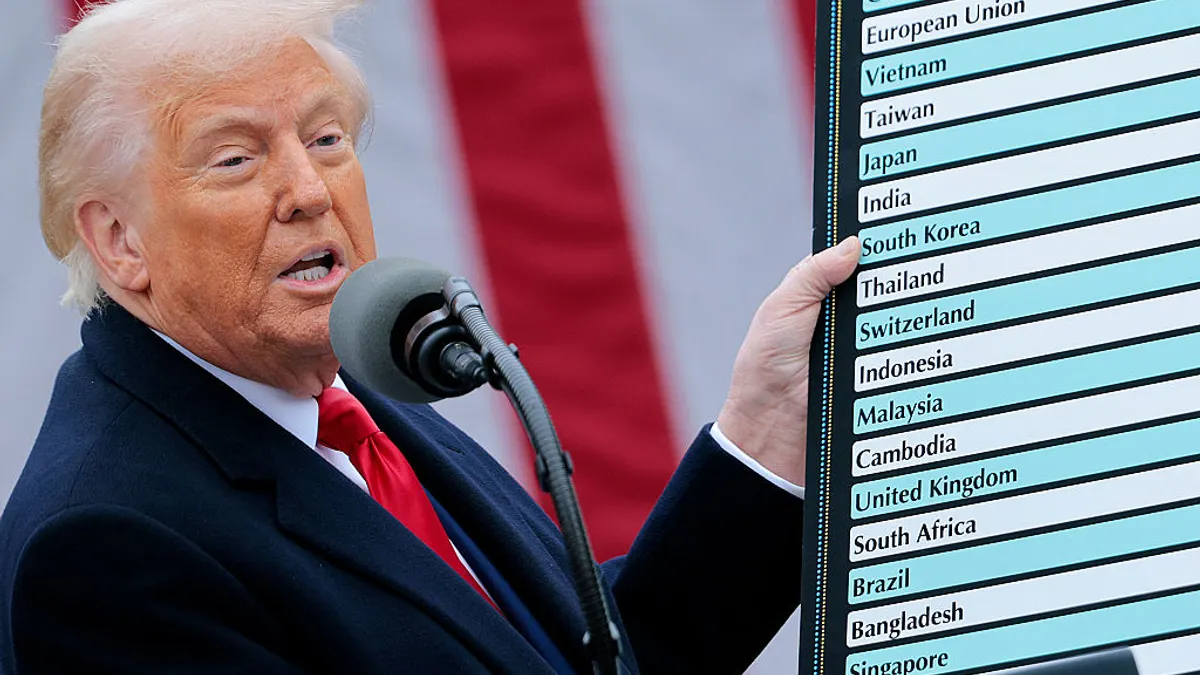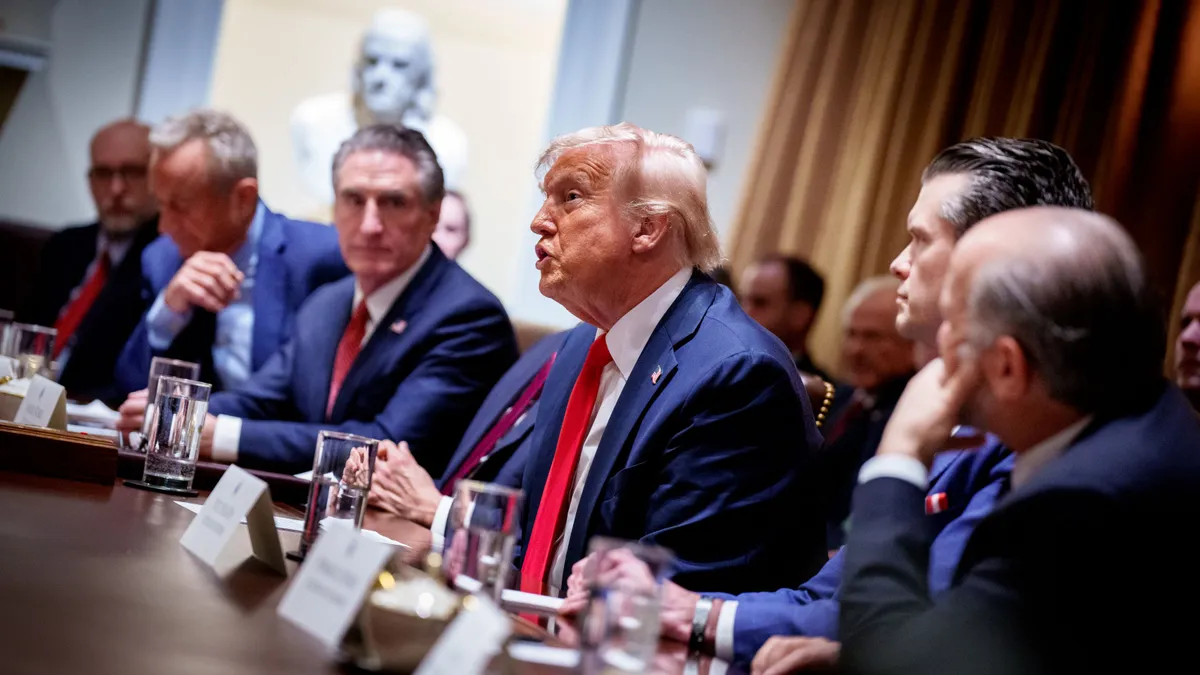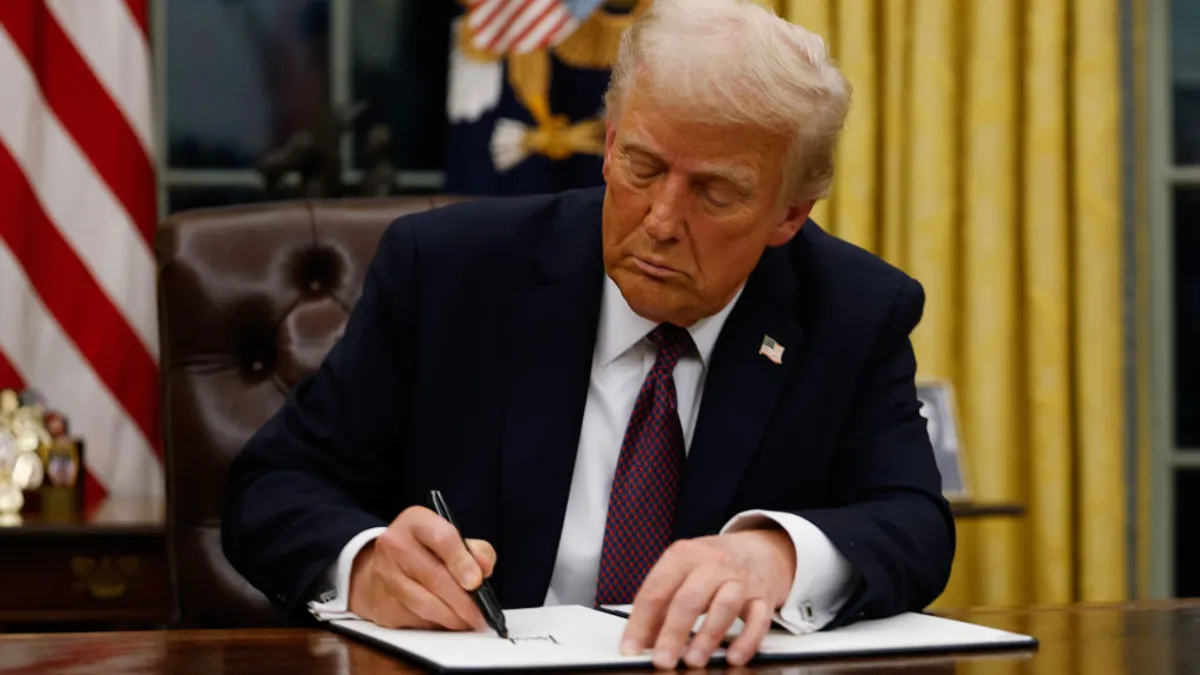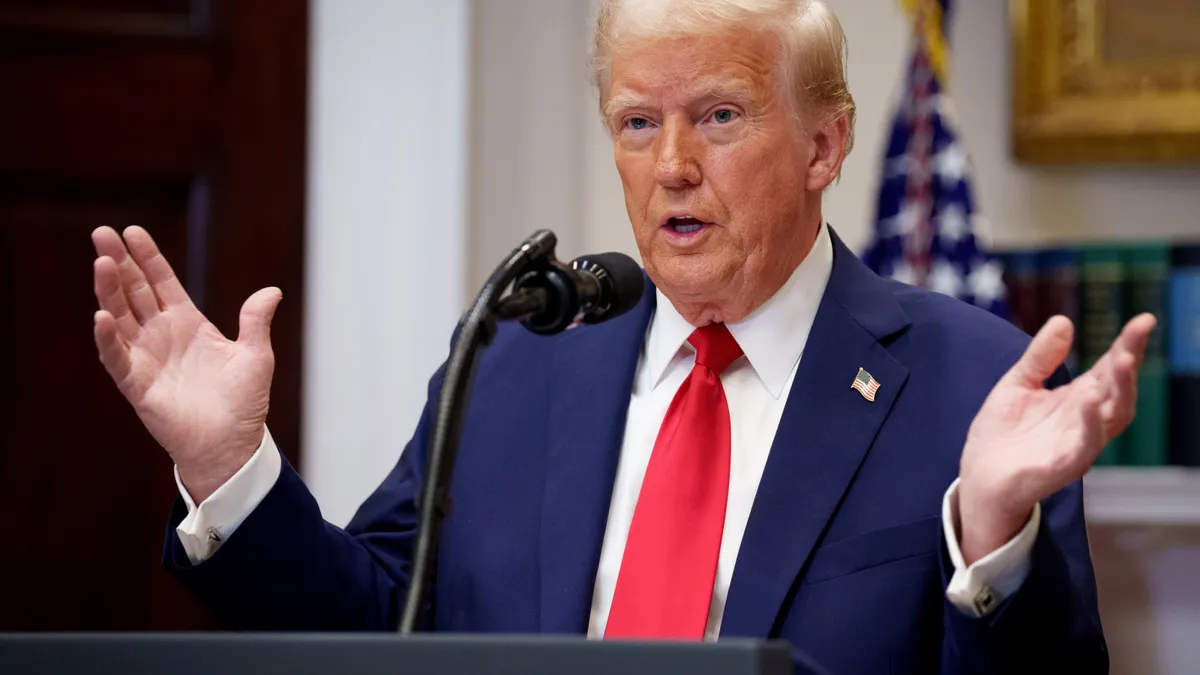
U.S. President Donad Trump is reworking the scope of the 50% tariffs he imposed on a slew of Canada imports as part of a back-and-forth trade war between the two countries.
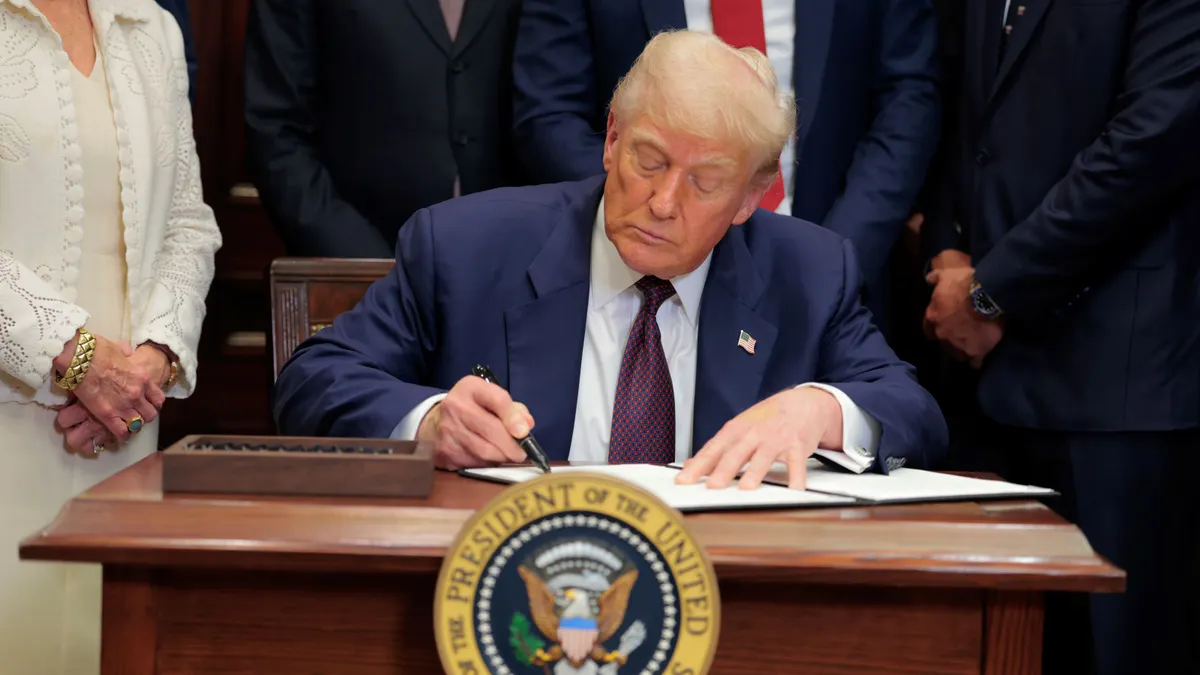
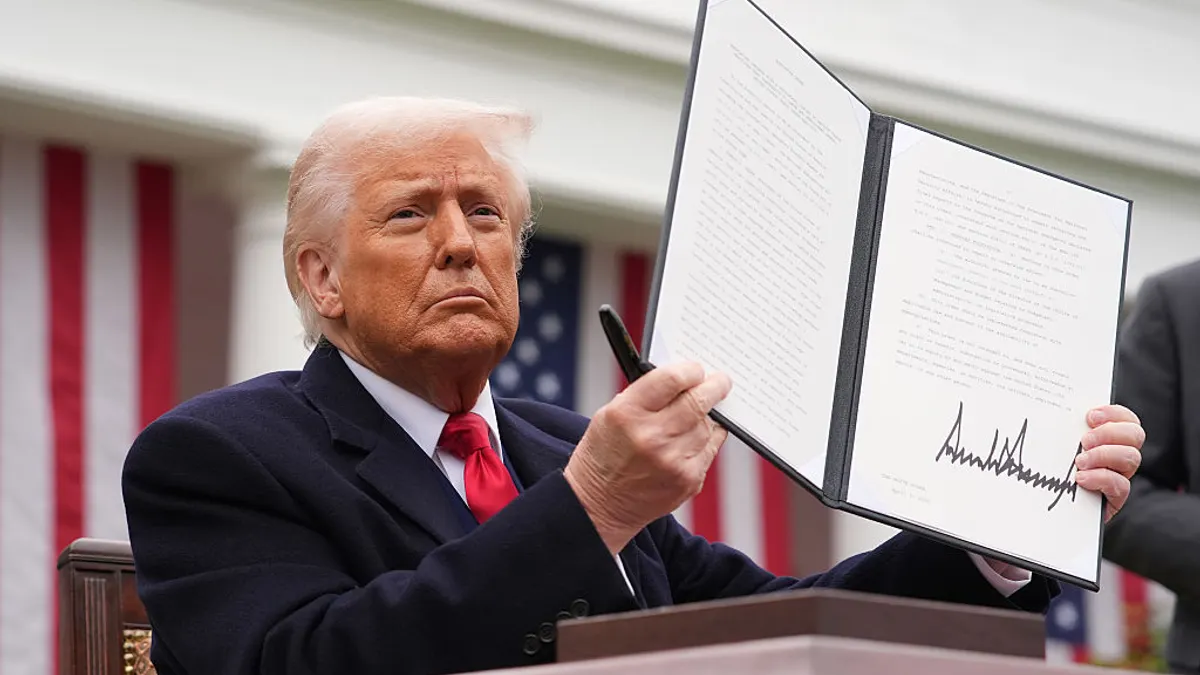
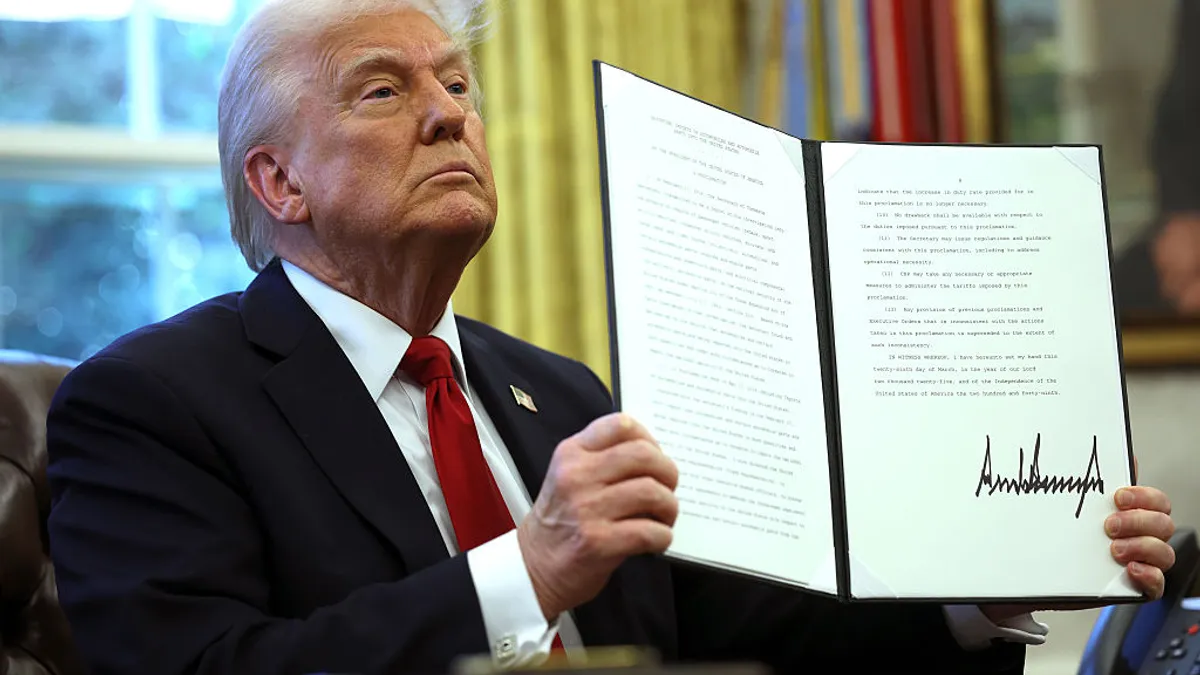
Starting Oct. 30, the tariffs will no longer cover a range of goods that were previously impacted, including plywood, certain industrial machinery, and select packaging and paper materials, per a proclamation Trump signed Friday. Meanwhile, a bevy of other imports will now be subject to the levies, including cocoa powder, carpets and air conditioners.
In August, Trump leveraged Section 338 of the Trade Act of 1930 to institute the levies following the breakdown of negotiations between the U.S. and Canada. The statute allows a president to install tariffs up to 50% to address discrimination against U.S. commerce. In ordering the tariffs originally, Trump alleged Canada unfairly imposed duties and quotas on U.S. car imports while halting the purchase of alcohol imports and setting tariff-rate quotas for certain dairy products.
In Friday’s proclamation, Trump said he decided to tweak the list of goods covered by the Section 338 duties after senior executive branch officials advised him that doing so would still offset the alleged discrimination while serving the public interest.
Trump first ordered the 50% tariffs in July on what at the time amounted to $20 billion in Canada imports. The action sparked a month of trade talks between the two countries, but after Canada Prime Minister Mark Carney called off the discussions in mid-August, the levies went into effect. Carney introduced retaliatory tariffs in September to match the U.S.’ duties, causing Trump to retaliate by expanding the scope of the levies while introducing import bans on goods such as specialty cheeses, boats and furniture.
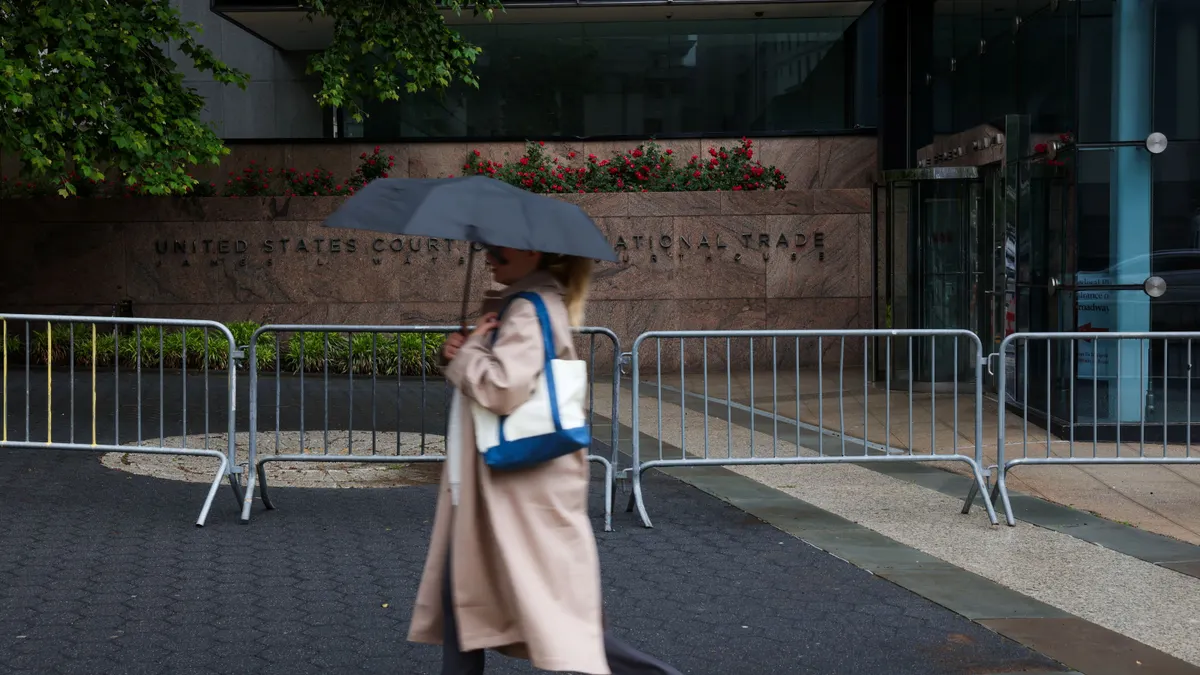
The latest changes to Trump’s Canada tariffs come the same week a lawsuit was filed with the Court of International Trade seeking their removal. According to the suit, filed by the Liberty Justice Center on behalf of food importing company Gellert Global Group, Trump did not meet the requirements under Section 338 to implement the tariffs. The suit also casts doubt on Trump's use of the statute given more recent legislation. Beyond removing the tariffs, the filing parties asked the court to block collection and order refunds for importers.