A lawsuit filed this week is seeking the removal of tariffs on imports into the U.S. from Canada.
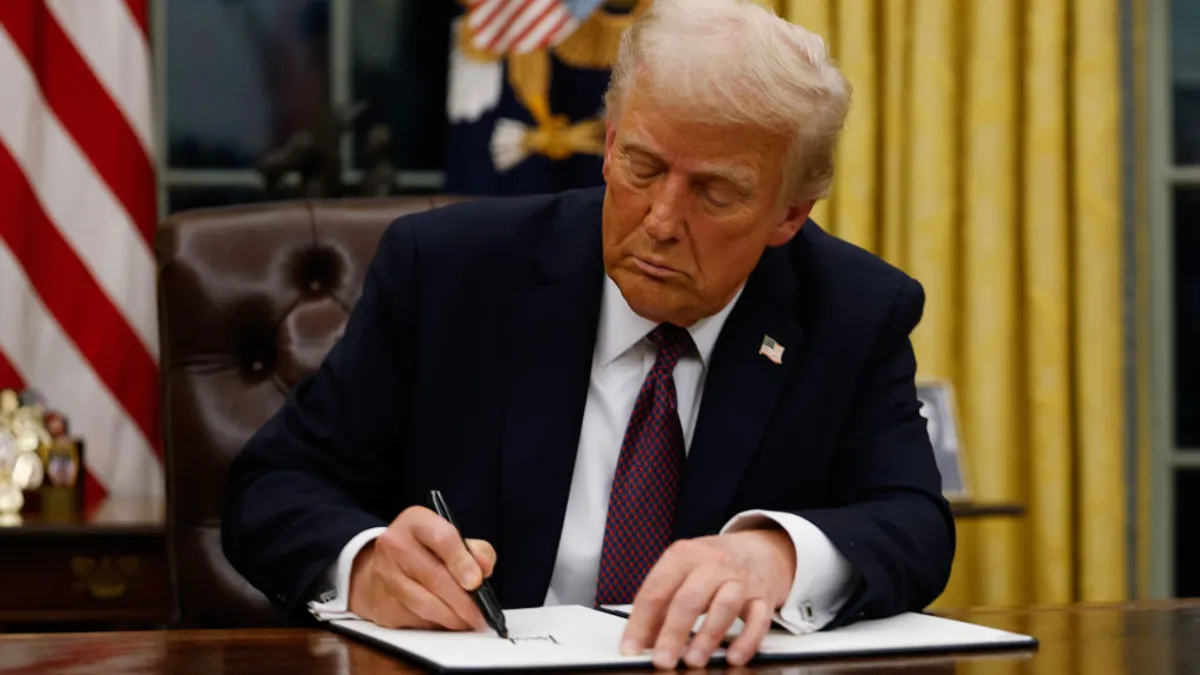
The suit, filed in the U.S. Court of International Trade Tuesday on behalf of food importing company Gellert Global Group, alleges that President Donald Trump overstepped his executive powers by implementing a 50% tariff on $20 billion worth of Canada goods earlier this year and that the trade policy disrupted supplier relationships while adding costs for the family-run business. The suit asks for the court to strike down the levies, block their collection and order refunds.
Trump relied on Section 338 of the Trade Act of 1930 to put the levies in place, a statute the lawsuit says has not been previously used to impose tariffs in the 96 years since it was enacted. Section 338 gives a president the power to levy tariffs of up to 50% in response to discrimination by another country on U.S. commerce. The suit argues Trump did not adequately identify Canadian policies that would justify the statute’s use while asserting that Section 338 is superseded by more recent regulations, namely Section 301 of the Trade Act of 1974. Trump has leveraged Section 301 to levy tariffs, which have also come under legal scrutiny.
The suit further contends that beyond failing to meet Section 338’s requirements, Trump improperly used the statute by placing tariffs on products not tied to alleged discrimination by Canada and later expanding the list of impacted products without adhering to a mandatory 30-day waiting period.
“No president should have the power to pull a dormant statute off the shelf and use it to impose sweeping tariffs or import bans without the limits Congress required,” Sara Albrecht, chairman and CEO of the Liberty Justice Center, which filed the suit on behalf of Gellert, said in an Oct. 20 press release. The legal services firm has previously filed similar suits against other Trump administration tariffs.
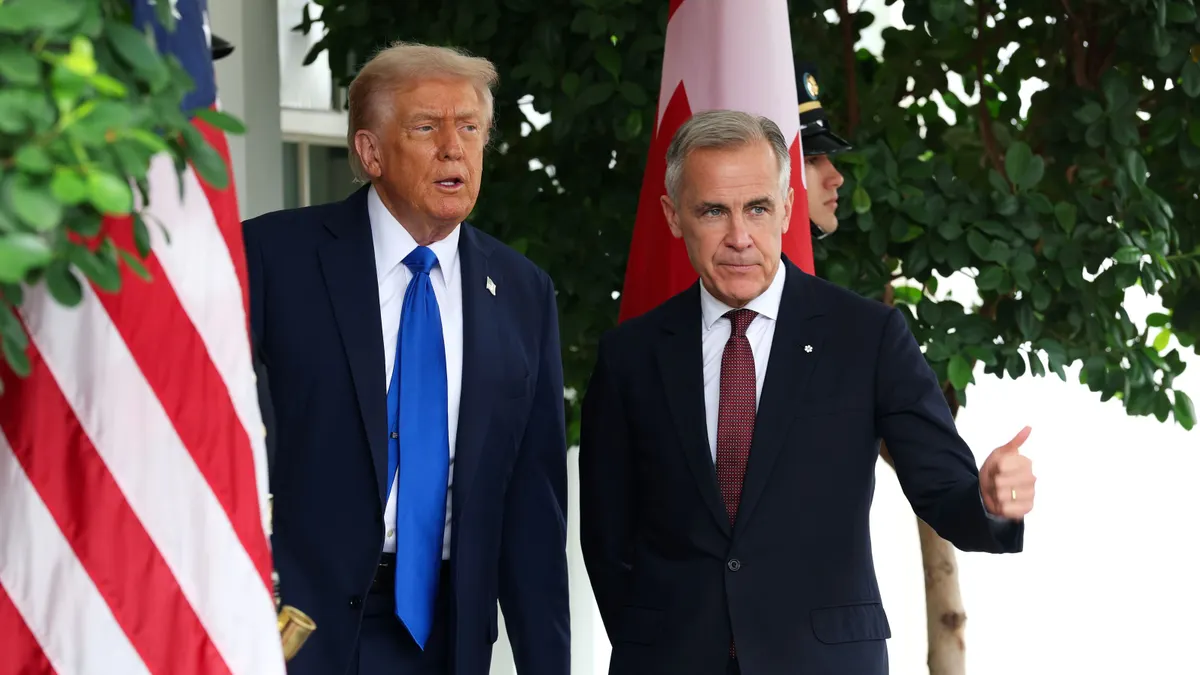
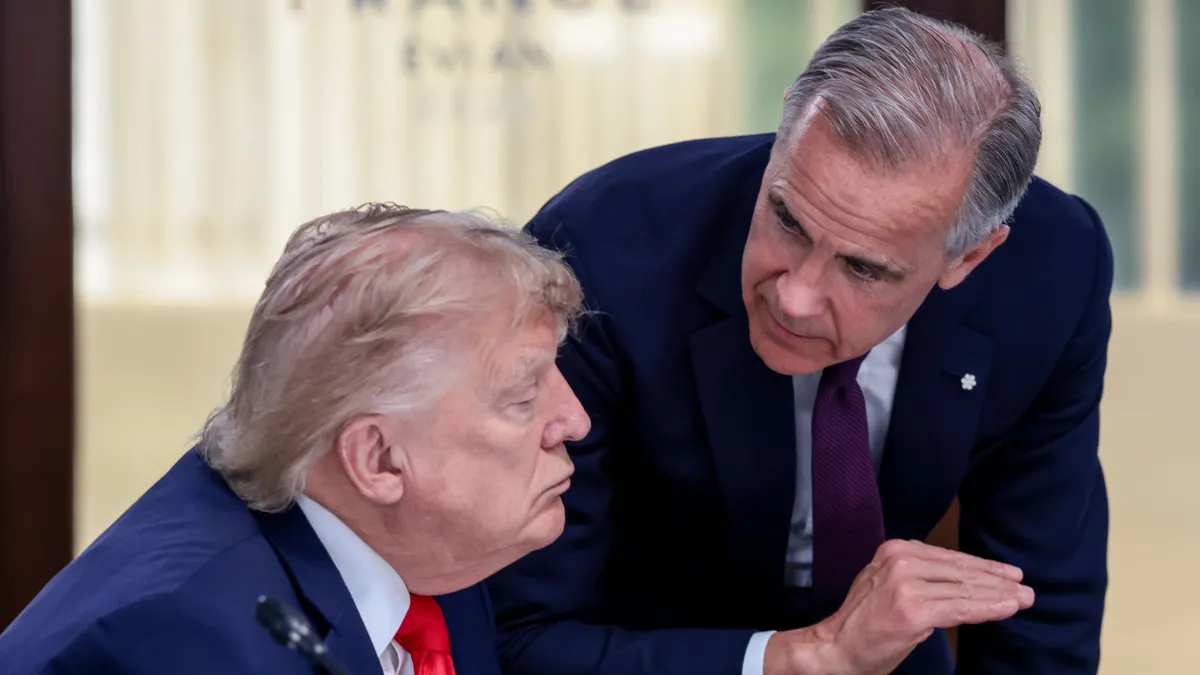
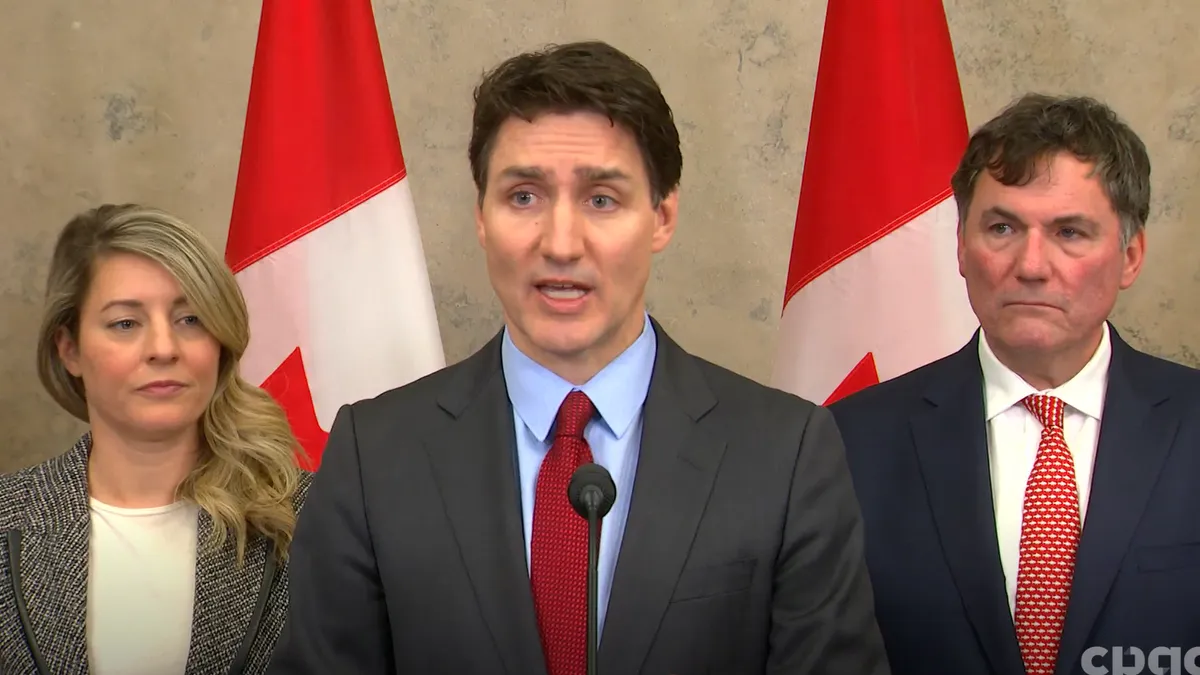
The U.S. and Canada have been embroiled in a trade war since negotiations between the two countries broke down the day before 50% tariffs went into place on Aug. 22. Trump initially announced the levies in late July, sparking talks between the two trading partners. However, Canada Prime Minister Mark Carney ultimately called back his negotiators, noting that newly proposed terms wouldn’t have benefitted Canada. The country later implemented retaliatory tariffs in September. In response, Trump tagged more goods with the 50% tariff while instituting import bans on products such as motorcycles and beer.
“The fight is likely to center over the limits Congress put on that authority,” James Kim, an international trade partner at ArentFox Schiff, said in a LinkedIn post. “Were the Canadian measures discrimination under Section 338, or retaliation for U.S. tariffs? Those labels aren't necessarily mutually exclusive; retaliation could still qualify as discrimination. And even if the statutory trigger was met, do those 50 percent actually offset the burden on U.S. commerce, as the statute requires?”
The lawsuit alleges the trade dispute has had a deleterious effect on Gellert, which relies on cross-border trade throughout the production process for certain cheeses. Trump added specialty cheeses to the list of goods impacted by the Section 338 tariffs in September.
“Gellert Global Group has spent generations building trusted relationships with suppliers, customers and partners across the food industry,” Thomas Gellert, co-CEO of Gellert Global Group, said in the release. “These tariffs disrupt those relationships overnight and create costs and uncertainty that ripple through the entire supply chain.”
The Trump administration has faced several lawsuits from businesses and states over previous levies, such as those installed under the International Emergency Economic Powers Act. The Supreme Court struck down the IEEPA levies in February.
Similarly, the Court of International Trade in May ruled a temporary 10% tariff Trump instituted after the IEEPA decision was illegal. However, the Trump administration is appealing the ruling on the levies, which have since expired.
“I would say that this is likely a harder case for the challengers than IEEPA,” Kim said. “The Supreme Court held that IEEPA did not authorize tariffs. Section 338 expressly does. That makes a challenge to the basic tariff authority a steeper climb.”