Kroger is leaning on supplier relationships to optimize costs, narrow price gaps with competitors and better manage its margins, according to a June 18 earnings call.
More specifically, the retailer is pressing harder on supplier negotiations and focusing on direct sourcing to optimize the cost of goods, CEO Greg Foran told analysts. Meanwhile, on goods not for resale, Kroger aims to remove complexity and waste, but also to buy better to operate more efficiently.
The move is part of a push to find opportunities to take out costs and “afford the price investments we need to make,” EVP and CFO David Kennerley told analysts. In turn, Foran added that Kroger leaders are weighing where they “want to sit with price, what we take, what we don’t.”
“The comment around some price investment in the first quarter is, once again, we've been very thoughtful as we go through our negotiations with suppliers, as we deal with some suppliers who want to get price up, how much of that we will pass on,” Foran said.
Supplier management was also a tool the retailer used to monitor tariff exposure on its produce. Last year, Kroger said that its merchandising and sourcing teams were identifying commodities that could be sourced from suppliers less impacted by tariffs. Diversifying its supplier base was also a method to maintain low in-store prices.
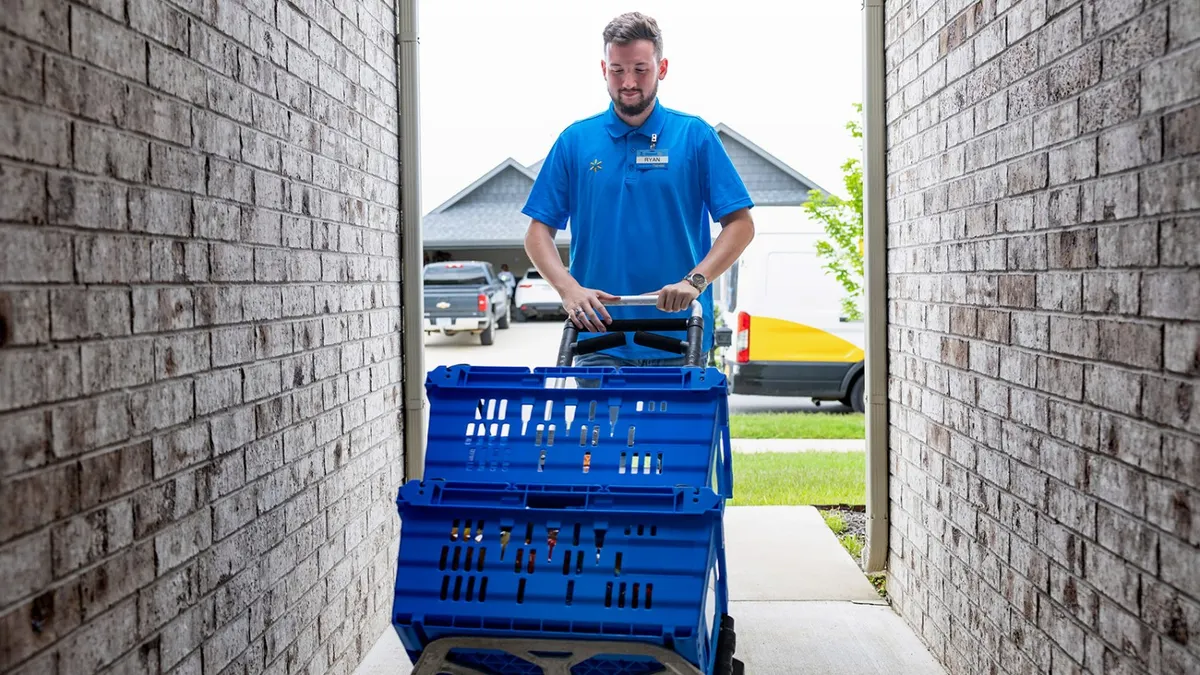
Elsewhere in the retailer’s supply chain, Kroger has been targeting higher e-commerce profitability. In turn, Kroger said it would close three of its automated fulfillment centers in favor of in-store fulfillment and its third-party e-commerce partners. Kennerley confirmed in the recent earnings call that the fulfillment facilities were closed last quarter.