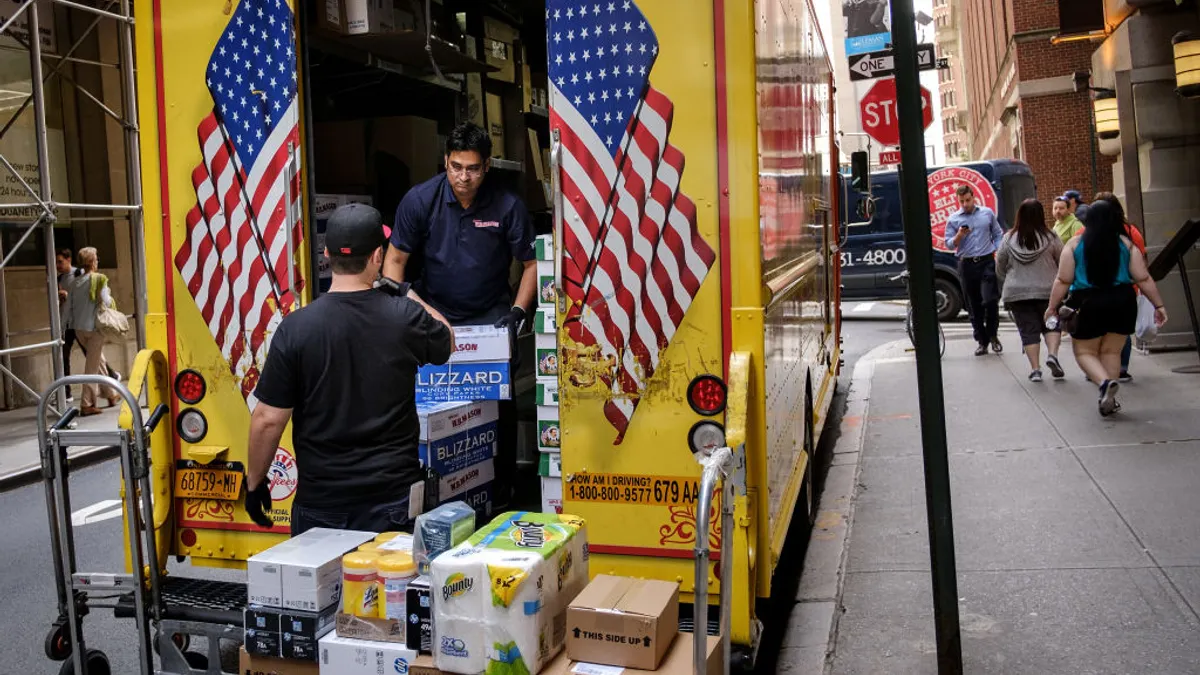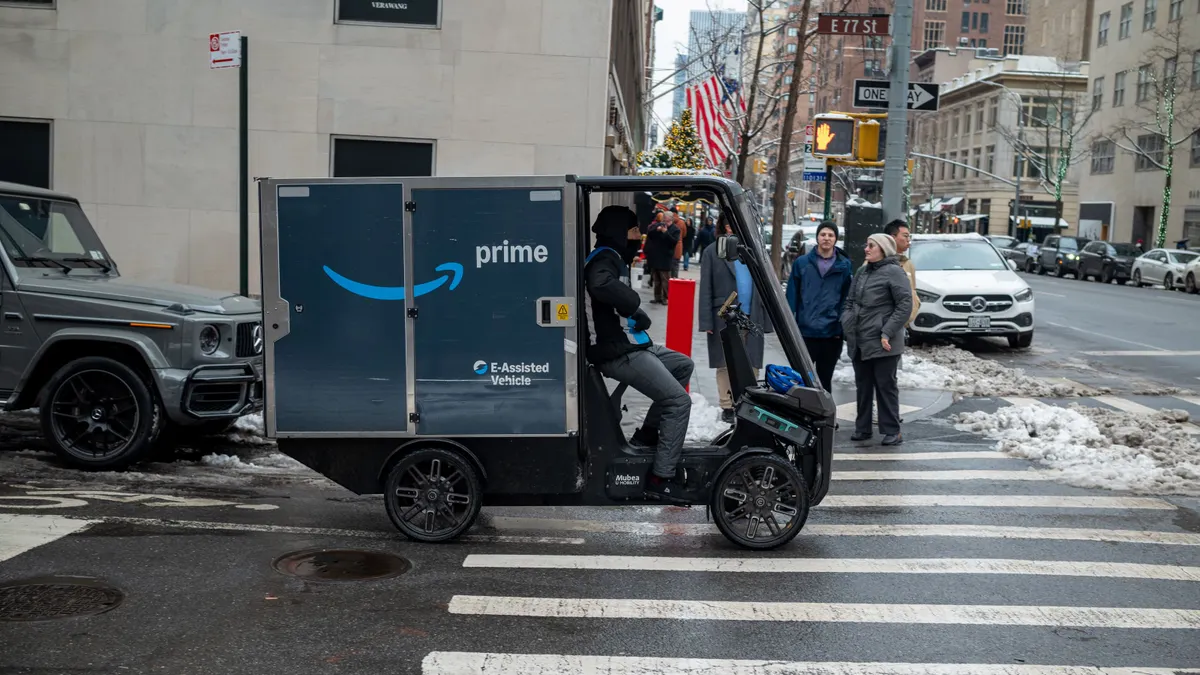
Every day across New York City, drivers in Amazon-branded vehicles deliver packages sorted and fulfilled by the e-commerce giant to consumers.
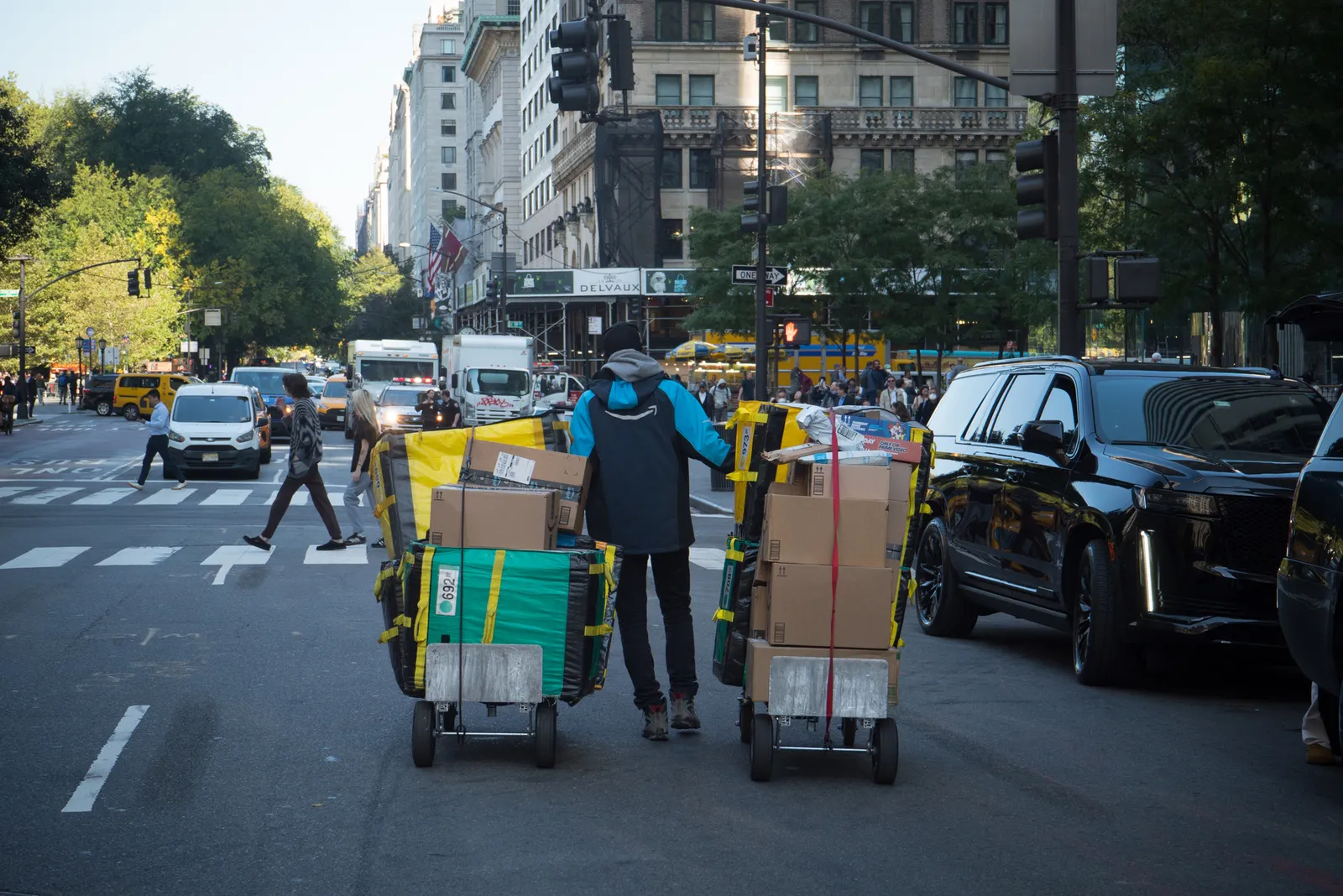
However, these drivers aren't employed by Amazon, despite the prevalence of the company’s logo on the vehicles they drive and attire they wear. Instead, they work for businesses called "Delivery Service Partners," which operate under contract to make deliveries for Amazon.
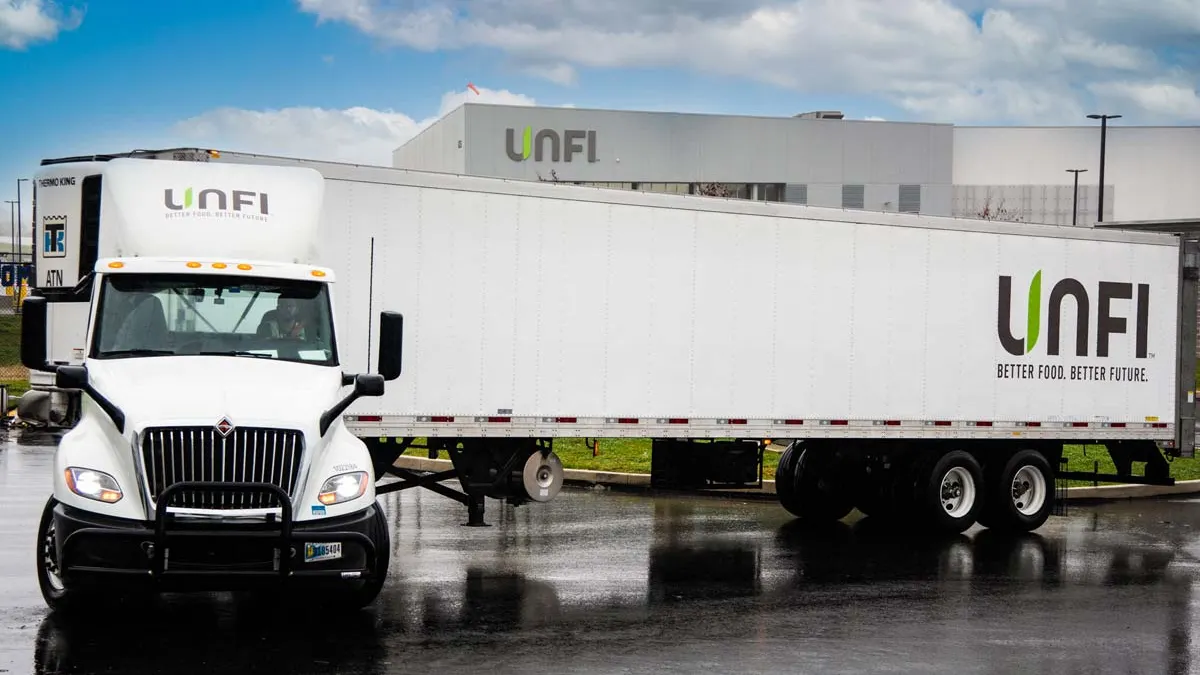
Amazon isn't alone in contracting out the final mile of delivery — FedEx leverages contracted service providers for ground-based deliveries. Alternative carriers OnTrac and Gofo also tap independent companies to support their shipping services.
A proposed bill aims to limit that model's use in New York City, which opponents of the legislation said could slow deliveries and ramp up shipping costs if it is signed into law, according to testimonies submitted to the city’s Committee on Consumer and Worker Protection in April.
The Delivery Protection Act, which New York City Mayor Zohran Mamdani voiced his support for earlier this month, would require operators of last-mile warehouse and distribution facilities in the city to directly employ core delivery and warehouse workers instead of contracting with a third party for those services.
The bill, which includes a two-year grace period to comply with the direct employment requirement, would also create a licensing system for storage and distribution facilities and establish new safety, training and labor standards, per a news release from Mamdani's office earlier this month. Elements of the training program include when and where to make delivery stops along trafficked roads and how to ensure pedestrian safety during frequent stops.
The legislation will help New York City better regulate last-mile operations and ensure companies like Amazon are accountable for delivery drivers' quotas, schedules and routes while also combating "worsening traffic safety" tied to the facilities, per the release.
How fast the legislation could progress and become law is unclear. The bill is currently with the Committee on Consumer and Worker Protection. But if the legislation passes, it could become a model for other major cities to follow — and create added complexity for many last-mile operators in the process — according to Shawn Compton, chief logistics officer at DCL Logistics. The International Brotherhood of Teamsters union, which supports the Delivery Protection Act, is pushing for a similar bill to be passed in Chicago.
"This could have a much farther-reaching impact because nobody's expecting it to stay just in New York City if it passes," Compton said in an interview with Supply Chain Dive.
Could the bill lead to rising costs and relocations?
Ensuring full compliance with the legislation by converting contracted drivers to employees would increase labor and operating costs for companies like Amazon, per a June report from economic and transportation consultancy AKRF.
Instead of absorbing the costs, companies would likely move a large portion of their distribution activities to facilities outside of New York City and into nearby areas like New Jersey, per the report, which was prepared for the Five Borough Jobs Campaign. The organization backs New York Delivers, a coalition opposing the bill which includes FedEx, Amazon, Prologis and several smaller logistics companies as members.
"Longer travel time to routes and service areas would reduce network efficiency and eliminate dozens of stops per driver, translating to slower deliveries for NYC customers, especially in the outer boroughs," the report said. "Same-day and next-day services would likely be curtailed, and product availability may be adjusted."
About 36% of current daily parcel volume in New York City is tied to contractor operations that are at risk from the legislation, the report noted. It added that households and small businesses can expect higher per-package delivery costs if the legislation passes, but the magnitude of the increase would depend on the extent carriers relocate their operations.
Amazon's contractor model is the main target
Amazon has been outspoken about its opposition to the bill. The company said the Delivery Protection Act would prohibit agreements with the more than 40 local businesses it partners with to make deliveries in the city, per testimony it submitted to the Committee on Consumer and Worker Protection in April. The e-commerce giant — which also highlighted improvements in safety within its operations in its remarks — said it could potentially relocate operations and delivery facilities outside of New York City to maintain service to customers if the bill passes.
"We're trying to prevent that by working collaboratively with the City Council, and we've invited every member to visit our delivery stations and meet with these partners and their employees before voting on legislation that could eliminate their businesses and displace thousands of New Yorkers from their jobs," Amazon said.
However, proponents of the bill said in Mamdani's release that the legislation is necessary to hold Amazon directly accountable for any safety and labor issues tied to its delivery operations in the city, rather than shielding itself from consequences through its use of contractors.
“For years, Amazon has relied on a convoluted subcontracting system that denies last-mile drivers the protections other workers get, while maintaining extraordinary control over their schedules, workloads, and uniforms," Julie Su, New York City's deputy mayor for economic justice, said in Mamdani’s release. "The Delivery Protection Act would close this loophole, improve safety for drivers and communities and begin to correct the imbalance of power that massive corporations like Amazon have accumulated.”
Addressing issues tied to Amazon's contractor model may be warranted, according to Jason Burns, founder of Last2First, a community platform for last-mile delivery professionals, but there are "middle ground" approaches legislators could explore that would have less of an impact on New York City's delivery flows. For example, finding ways to give contractors more power in their business dealings with Amazon and increasing the company’s accountability in the relationship.
"There's probably some opportunities on the risk side, the safety side, the compliance piece," Burns, former owner of last-mile delivery company QCS Logistics, said in an interview with Supply Chain Dive. "Some of the contractual terms that are in these agreements probably need to be revised so there's more parity in these agreements.”
Bill's impact could stretch to FedEx, DoorDash
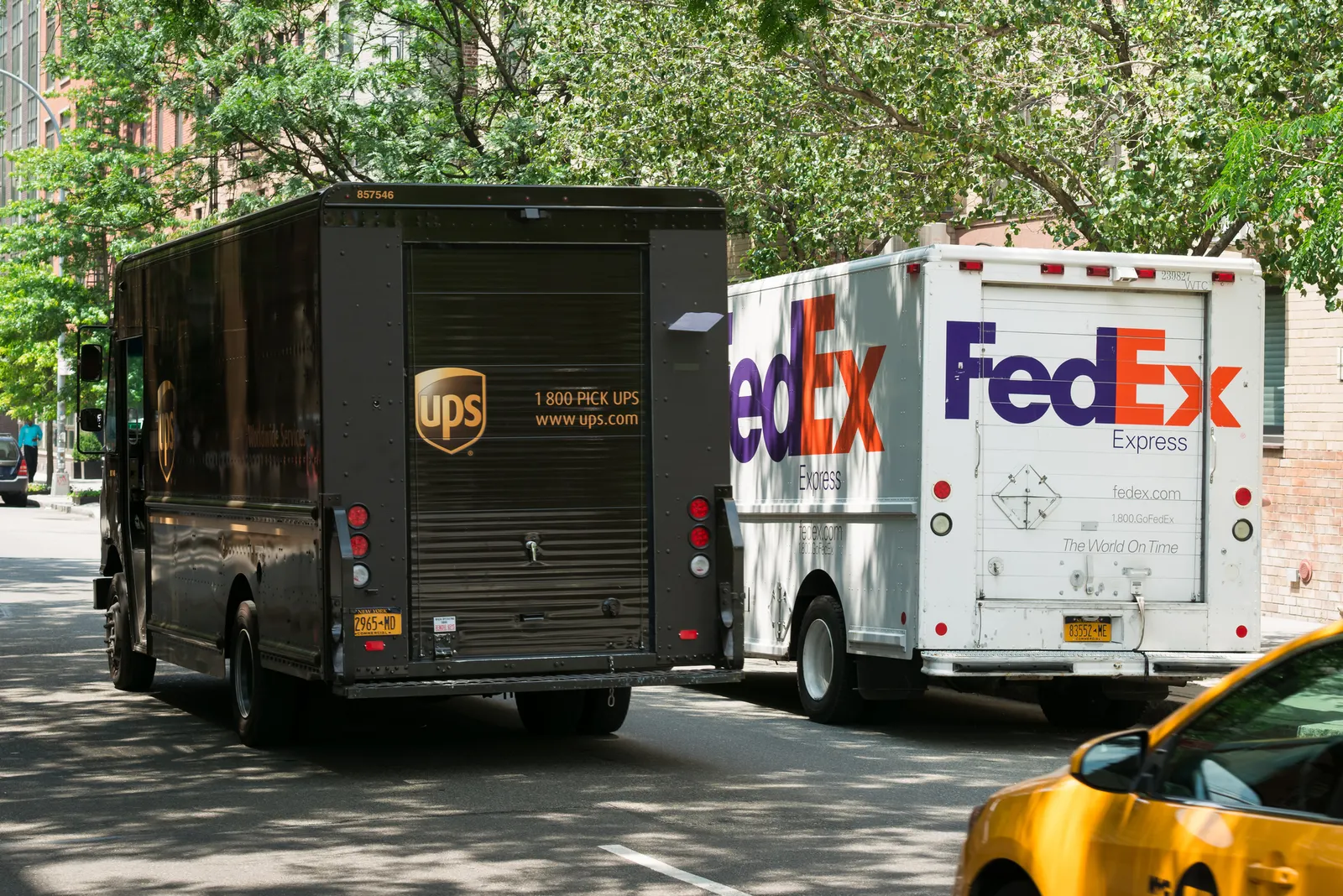
While Mamdani's release highlighted the Delivery Protection Act’s potential to rein in Amazon, the e-commerce giant isn't the only company operating last-mile facilities in the city. Among the 50 last-mile delivery facilities in New York City exceeding 50,000 square feet, nearly 30% are run by Amazon, while 60% are operated by FedEx and UPS, according to an April 9 report from the Committee on Consumer and Worker Protection. The remainder are tied to other logistics providers.
"With the rise of e-commerce, last-mile delivery facilities for shipping and logistics businesses have become an increasingly essential part of the infrastructure that keeps New York City running," FedEx said in an emailed statement to Supply Chain Dive.
DoorDash is another delivery provider voicing concerns against the bill. The legislation could make the company’s neighborhood-scale DashMart operations unviable if a court or regulator determines the Delivery Protection Act’s requirements apply to those locations, Ivan Garcia, DoorDash's head of government relations for New York City, said in testimony submitted to the Committee on Consumer and Worker Protection in April.
In New York City, DoorDash currently operates five DashMart locations, which Garcia described as local convenience stores that customers shop at virtually and get deliveries from through the DoorDash app. Independent gig workers called Dashers, not DoorDash employees, make those deliveries. If the bill becomes law, the company could "curtail some operations and shutter others" to avoid added costs such as directly employing delivery workers that may only handle a few deliveries per month from DashMarts.
Garcia said that Dashers primarily make deliveries from multiple third-party merchant locations in New York City but occasionally pick up orders from facilities that may be covered by the bill, including DashMarts.
While many logistics companies could be negatively affected by the bill, some parcel carriers might benefit from the legislation due to their direct employment of drivers. Per the AKRF report, UPS and the U.S. Postal Service could see slight volume upticks if competitors using contractor models withdraw operations from the city.
"UPS has been paying it forward in this regard already," Compton of DCL Logistics said. "They do hire their workers, and so they're already poised for this.”