Dive Brief:
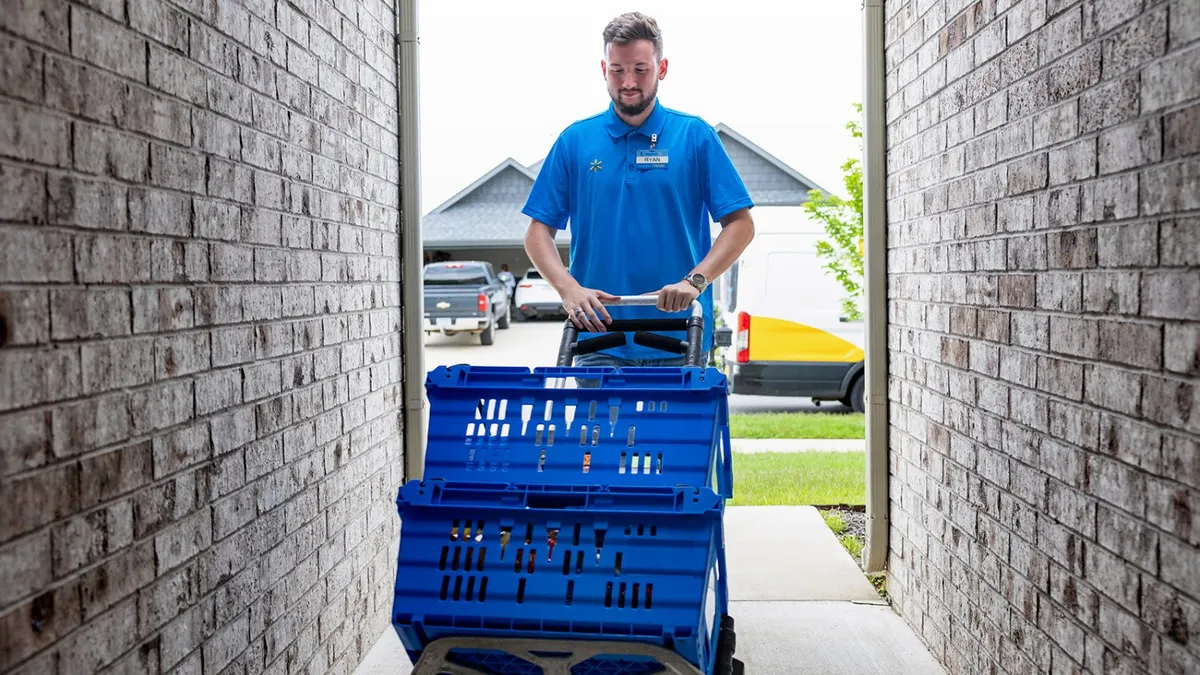
- Deliveries made in under 30 minutes almost tripled for Walmart's U.S. business in Q3 as the company sees heightened customer interest in speedy fulfillment, Walmart U.S. President and CEO David Guggina said on an earnings call Thursday.
- In August, the retailer announced 30-minutes-or-less delivery had expanded into 38 U.S. markets. Walmart is now able to reach 60% of U.S. households for delivery within a half-hour timeframe, which includes 15 minutes to pick products at stores, Guggina said.
- "So if we pick faster, we can either reach further and get to more customers in 30 minutes or we can deliver more quickly to our customers," he said.
Dive Insight:
Quick delivery options helped Walmart realize a 23% year-over-year boost in U.S. online sales in Q3, and the retailer's sub-30-minute offering is an important piece of its toolkit amid stiff competition with Amazon.
"Faster delivery speeds are leading to higher customer and member conversion," EVP and CFO John David Rainey said on the call.
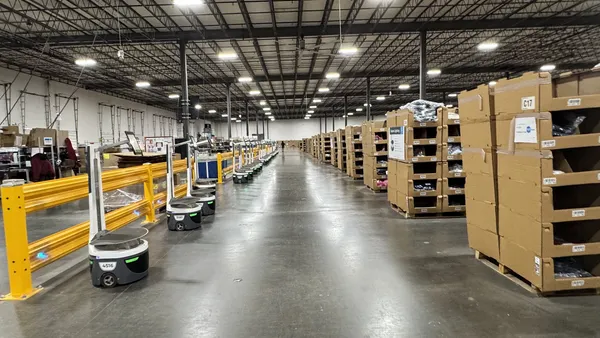
Walmart's brick-and-mortar network is playing a key role in its delivery momentum, with over 80% of Walmart's U.S. e-commerce orders currently fulfilled from store locations. Store-fulfilled deliveries increased by more than 40% and expedited deliveries climbed over 50% in Q3, Rainey said. Walmart is also leaning on stores to fulfill orders from its online marketplace.
"By placing select marketplace inventory in stores, it brings more of the online assortment closer to customers and makes it available fast for local delivery," Walmart Inc. President and CEO John Furner said. "We can offer customers more choice while enabling our stores to support a larger marketplace business."
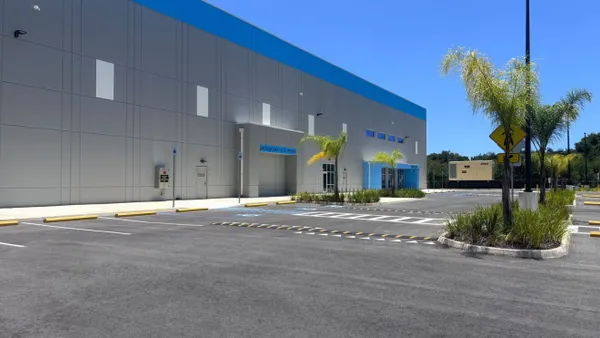
However, the retailer is also tapping other fulfillment nodes to reach customers, including "Walmart Depot" locations that opened in the U.S. last year. These delivery stations house forward-deployed inventory for e-commerce orders and enable Walmart to operate a "more dense network with our drivers," Furner said. Delivery density is a key factor in making last-mile operations more economical, as delivering more packages on a particular route can reduce per-package costs.