Professional contractors — or, as The Home Depot calls them, Pros — rely on final-mile deliveries to job sites. Until recently, that type of fulfillment was a missing component of the home improvement retailer’s supply chain capabilities for its Pro business.
“We have the product, we have the depth, the breadth, the assortment, but we did not have the delivery capabilities,” Chip Devine, SVP of Pro Sales, told Supply Chain Dive in an interview.
In the past, Home Depot's Pro capabilities were more like a convenience store's than a grocery chain that could deliver directly to contractors' doorsteps.
To enhance its offerings to this key customer segment, the retailer has been working to build last-mile capabilities for its Pro Business for nearly a decade through investments in new distribution centers, acquisitions and technology upgrades.
“Building that awareness that we have these assets, and we have delivery capabilities, and we have a mobile platform that they can actually track and follow is part of this journey as well,” Devine said.
The Home Depot wants to be a main supplier, not a gap filler, Devine said. About 9 million Pros shop with the retailer, according to Devine, and usually each has 20 to 30 suppliers for projects. Reducing their touchpoints with suppliers saves Pros time, Devine said.
“And time is how Pros make money,” he said.
Building out last-mile capabilities for faster delivery
Today, Home Depot has 21 flatbed distribution centers and 22 direct fulfillment centers. Before Devine joined the team almost five years ago, it had 13 and 18, respectively.
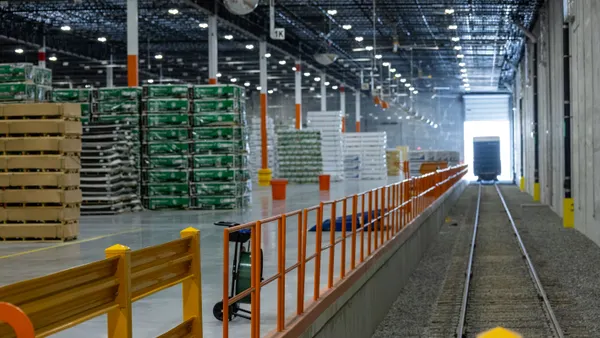
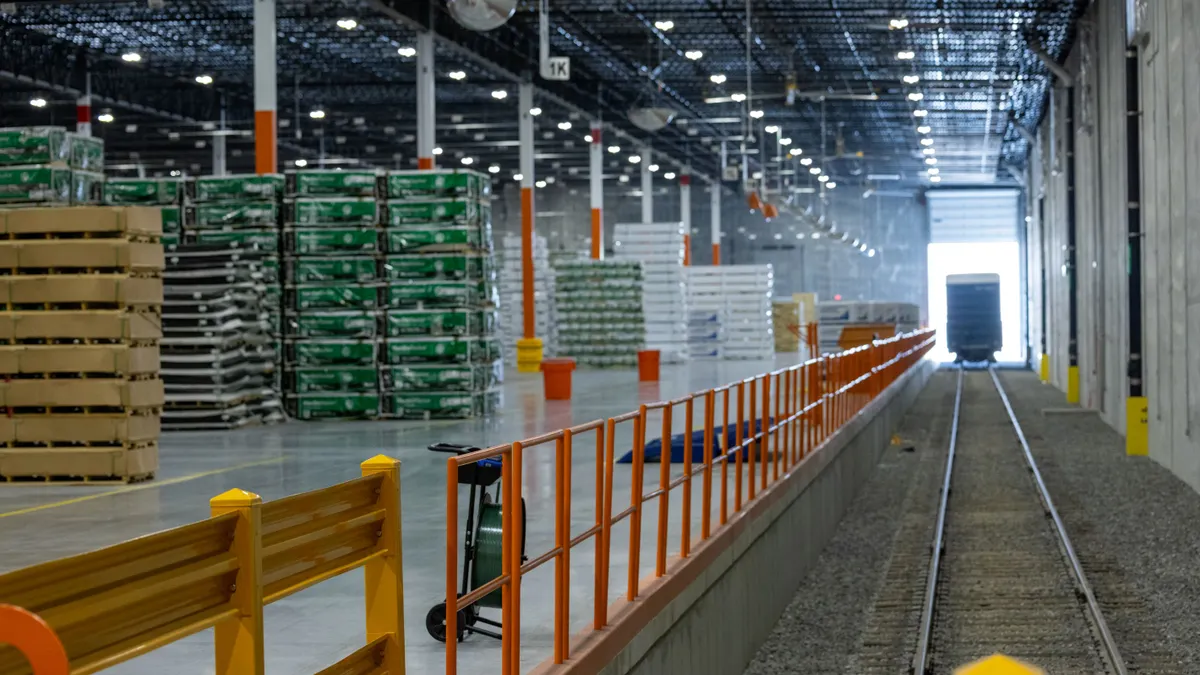
A flatbed distribution center, or FDC, is where the company stores big and bulky items such as lumber, building materials, concrete, drywall and roofing shingles. This individual distribution model helps the company efficiently pick, pack and ship items, aiding in faster delivery times. Meanwhile, direct fulfillment centers, or DFCs, deliver online products, such as plumbing, faucets and windows, directly to customers and stores.
The FDCs are part of the company's efforts to build 150 new delivery centers in the U.S. through $1.2 billion in infrastructure investments. Home Depot said in 2020 it aimed to reach 90% of U.S. customers with same-day and next-day delivery.
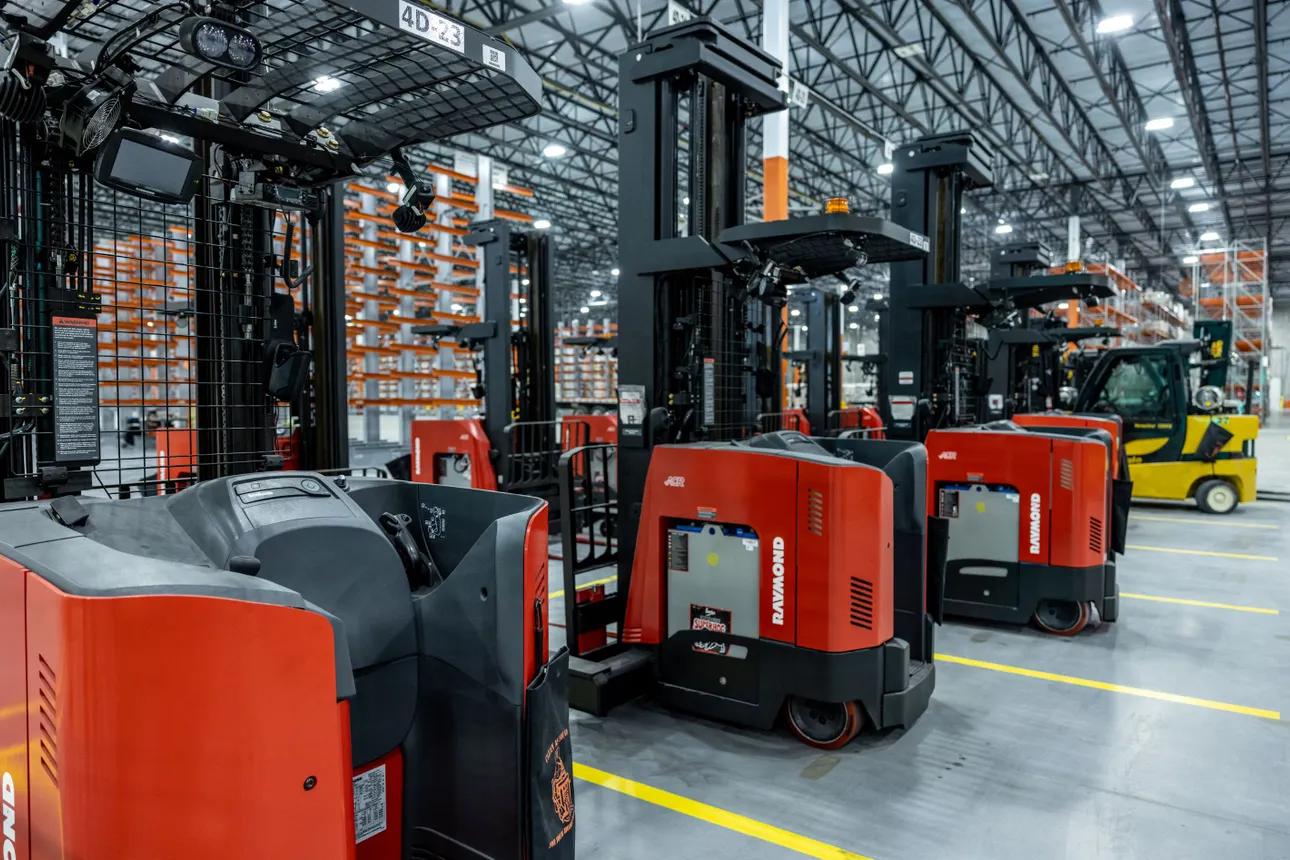
“All the Home Depot stores can make deliveries, but we try to take the job lot quantities and the bigger and bulky products and move them to the other assets because the stores, quite frankly, are not as well equipped because they're an operating warehouse,” Devine said.
Home Depot has also invested in technology to enhance the delivery process for all types of customers, Pros included. Through its mobile app or online, customers can track truck deliveries and have visibility into inventory in all of its locations, including distribution centers.
The retailer also built an order management platform, which launched in 2023, to accept, plan, organize, consolidate and deliver orders and bill customers. The platform didn’t exist before because Home Depot acted as a supplier, Devine said, meaning that if a customer wanted to buy something, it had to pay before the delivery was made. Now customers can pay upon delivery.
Interconnecting assets from acquisitions for a better supply chain
The Home Depot has grown its distribution assets through acquisitions as well as by building new supply chain facilities.
The retailer acquired SRS Distribution in 2024 and GMS in 2025. Both companies specialize in distributing home building materials such as drywall, ceilings and steel framing. Through the deals, Home Depot also acquired 1,300 distribution centers and 13,000 delivery vehicles.
Now the task is to interconnect them within Home Depot’s existing network.
“How that gets integrated into the whole network is part of our major plan, and as we move forward to be able to service the different product categories across the country,” Devine said.
Home Depot’s distribution asset growth is meant to enhance its final-mile offering through direct-to-job site or direct-to-the-customer delivery, Devine said. A major part of the company’s strategy is to connect distribution nodes so bulky deliveries originate from fulfillment centers while store assets manage non-heavy items.
As the retailer continues to expand its supply chain capabilities, with a focus on serving the top 40 markets in the U.S., it may mean adding more infrastructure, Devine said.