The U.S. Trade Representative is proposing a 25% tariff on imports from Brazil based on the findings of a Section 301 investigation into the country’s trade policies and practices, according to a Federal Register notice.
Through the investigation, the agency found certain of Brazil's acts, policies and practices are unreasonable and burden or restrict U.S. commerce, giving the Trump administration legal grounds to pursue penalties under Section 301 of the Trade Act of 1974, the agency said in a Monday press release.
As a result, the USTR proposed the 25% tariff and laid out a timeline for affected parties to submit written comments or attend a July hearing while the agency continues to negotiate with the country.
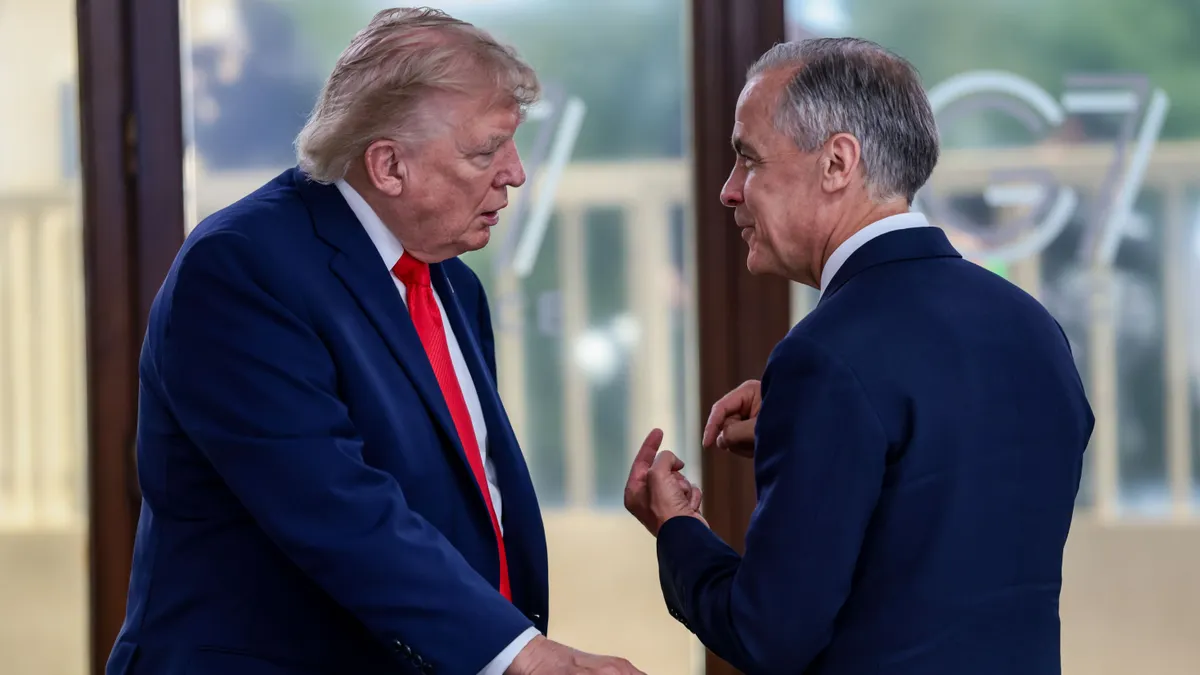
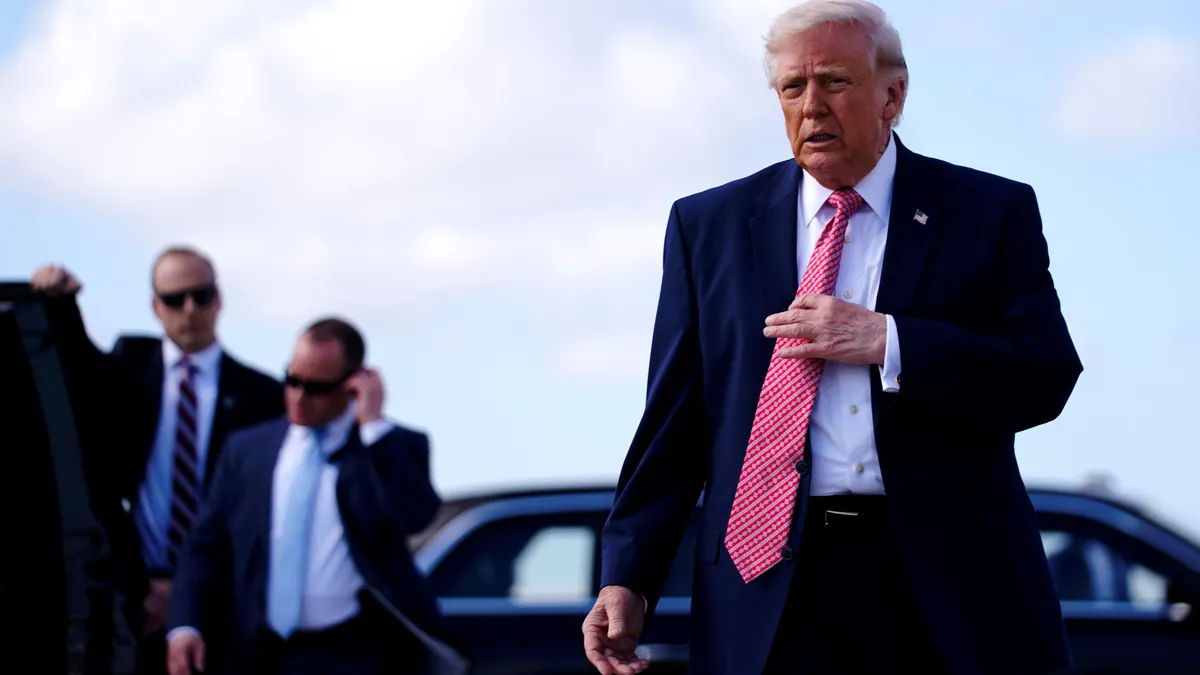
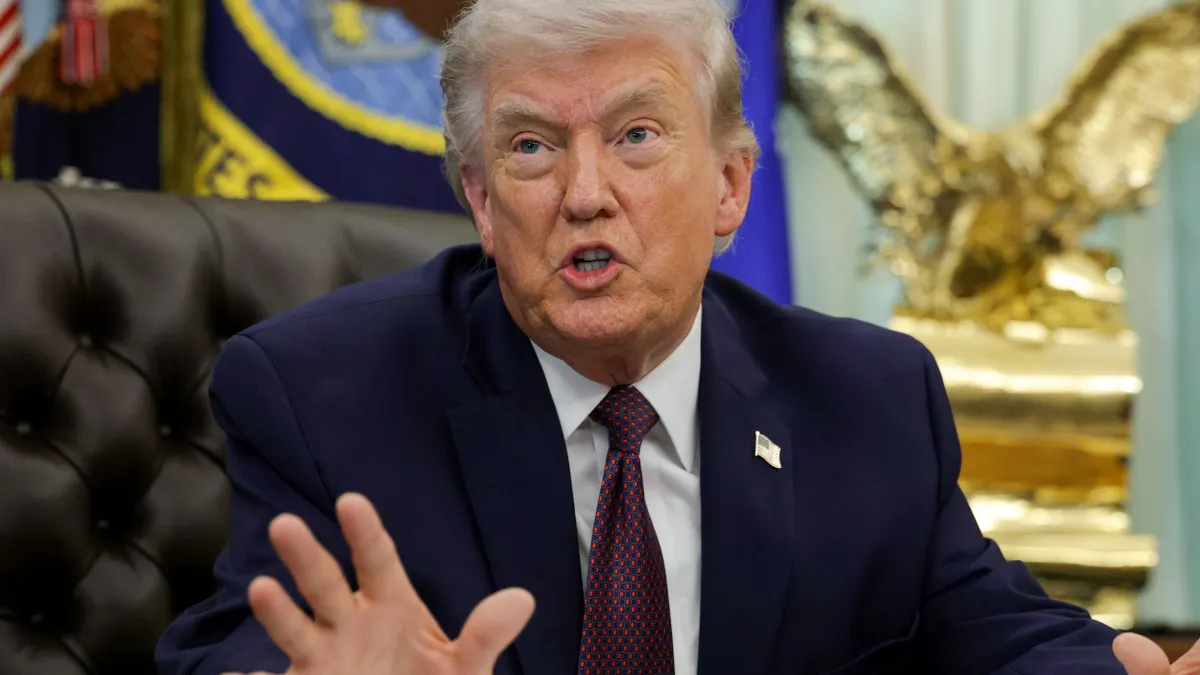
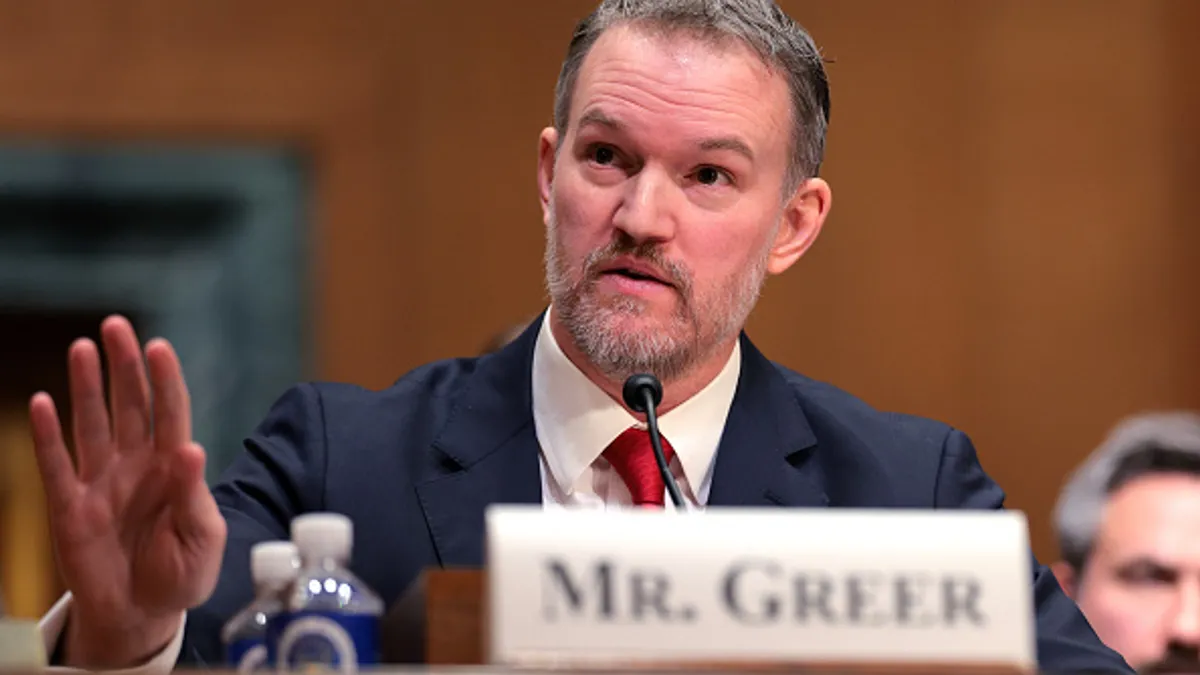
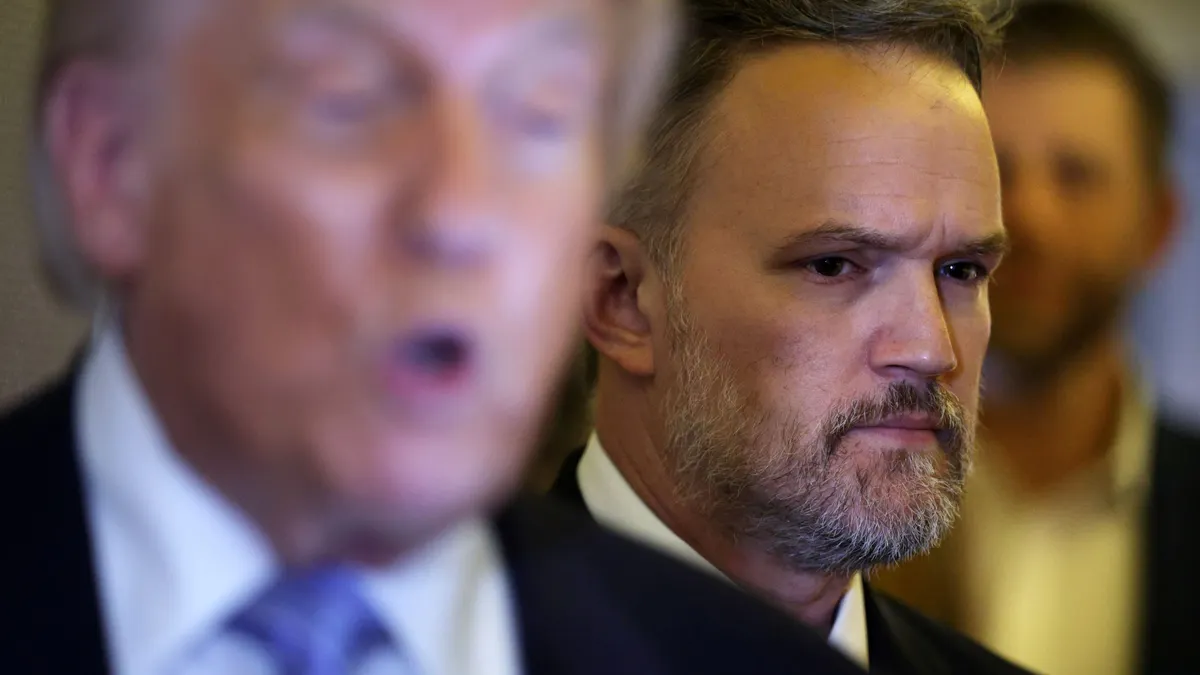
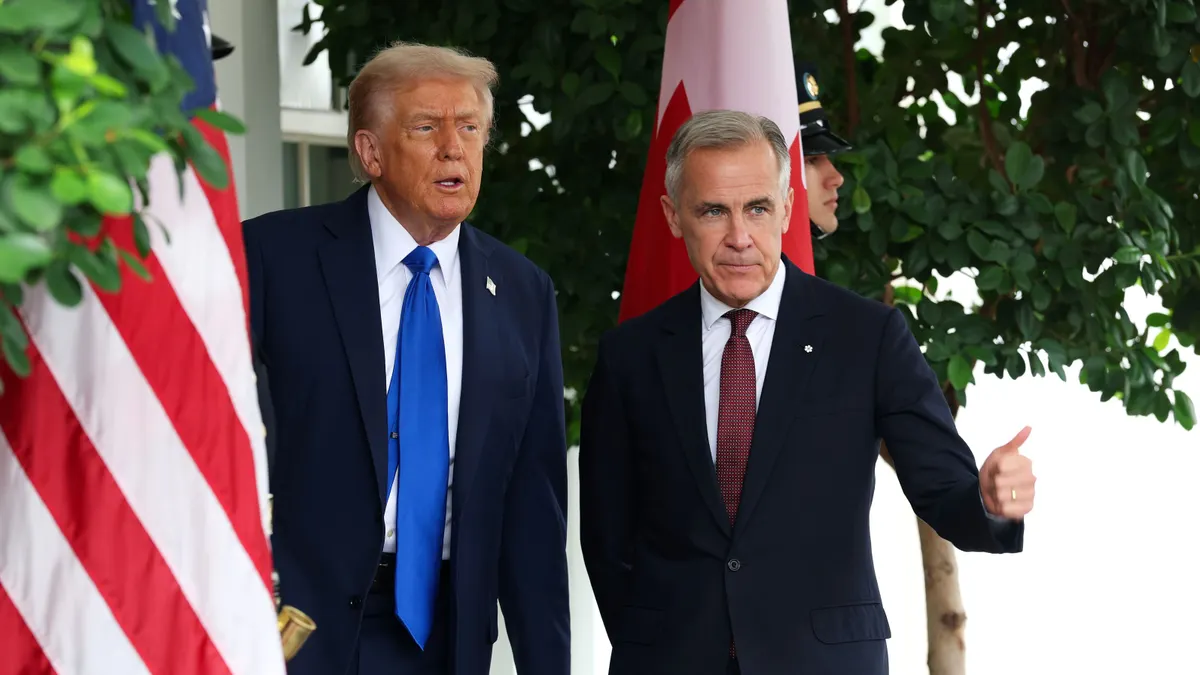
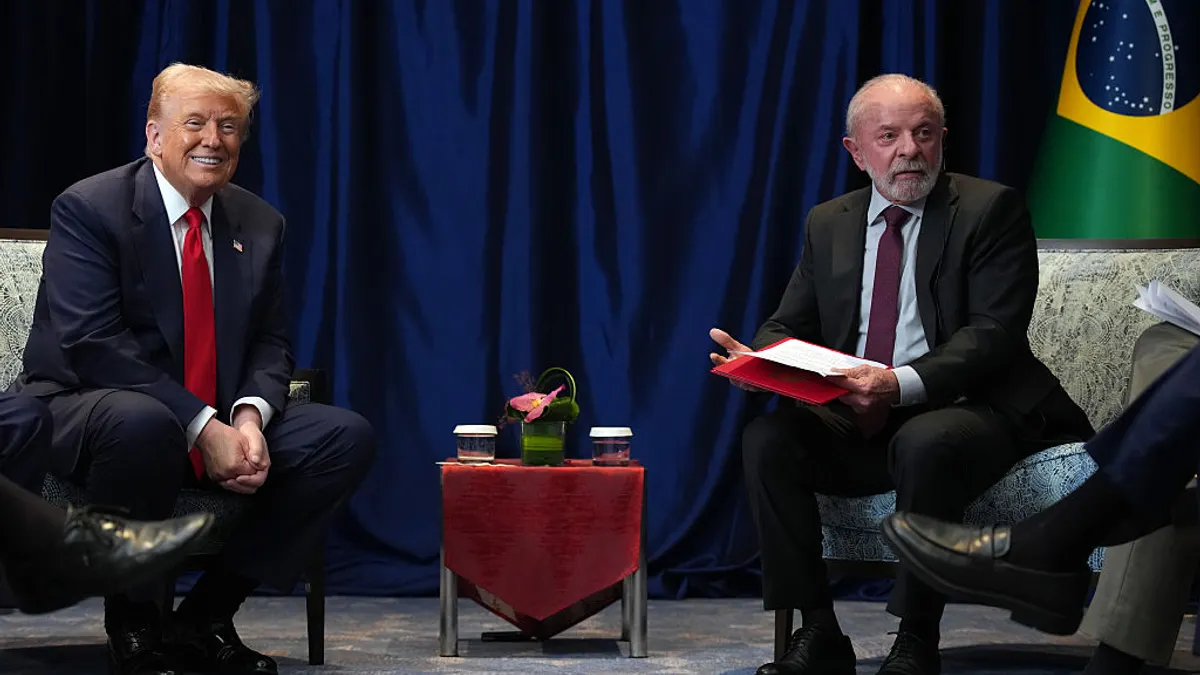
Over the last year, USTR Jamieson Greer and U.S. President Donald Trump have met with Brazil President Luiz Inácio Lula da Silva and his cabinet several times, and the negotiations have "accelerated in recent weeks," Greer said.
“However, we continue to have substantial differences in resolving the issues identified in this investigation," Greer said in the release. The countries are talking under a July 15 statutory deadline for the U.S. to take action against Brazil.
Organizations that want to attend a July 6 hearing on the proposed action have until June 22 to submit requests to appear, along with a summary of planned testimony. Written comments are due July 1.
The USTR said Brazil's unreasonable or discriminatory actions that burden or restrict U.S. commerce cover six broad areas: digital trade and electronic payment services, preferential tariffs, anti-corruption enforcement, intellectual property protection, ethanol market access and illegal deforestation.
The U.S. officially initiated the Section 301 investigation of Brazil in July 2025. The USTR's assertions against the country include preferential trade deals with Mexico and India that cover hundreds of goods across multiple sectors.
The agency also said Brazil abruptly discontinued its balanced tariff treatment of ethanol in 2017 and failed to provide reciprocal tariff treatment for U.S. ethanol exports, the USTR said. Other unfair practices by Brazil include insufficient enforcement of criminal laws and customs regulations to address counterfeit goods, per the agency.
As its Brazil probe moves forward, the U.S. has continued into certain sectors and trading partners following the Supreme Court's February ruling striking down levies the president enacted under the International Emergency Economic Powers Act. Most recently, the USTR launched a Section 301 probe into Vietnam’s intellectual property protection and enforcement policies and practices.