The U.S. Postal Service is testing a method for its employees to capture picture proof of delivery, per a memo from the agency's delivery operations team.
A new camera feature on the Postal Service's Mobile Delivery Device application used by mail carriers will allow package photos to be taken and "provide a consistent system integrated method for proof of delivery," per the memo posted on Ruralinfo.net, which tracks rural mail carrier news.
The Postal Service is currently conducting the test in parts of metro areas in Phoenix, New York City, Dallas, and Fargo, North Dakota, said USPS spokesperson Jim McKean, who confirmed the memo's validity.
"This is not a service available in any market right now and the images generated are not available to customers at this time," McKean said. "It is simply a field test of our capability to capture delivery images."
While still in its testing phase, the memo said the new feature will improve delivery verification as well as service quality for customers. The Postal Service currently provides a "Proof of Delivery" emailed response letter for items requiring a signature, along with photos of incoming letter-sized mail via its Informed Delivery offering.
"As delivery volumes increase and customer expectations evolve, the absence of photo-based proof of delivery limits the ability to efficiently resolve inquiries, claims, and disputes," the memo said.
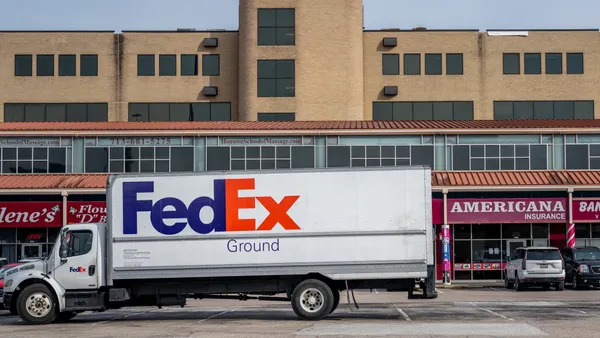
Meanwhile, several parcel carriers, including UPS and FedEx, already offer picture proof of delivery features. FedEx EVP and Chief Customer Officer Brie Carere said in 2024 that picture proof of delivery "continues to help us close new business" for the company's ground service offerings, and the carrier enhanced that capability further with a feature that takes photos of missed delivery attempts.
The Postal Service is pushing to boost its appeal among parcel shippers and improve service reliability under Postmaster General David Steiner. Earlier this month, Steiner said introducing “improvements that customers can really feel” was a priority area for the agency.