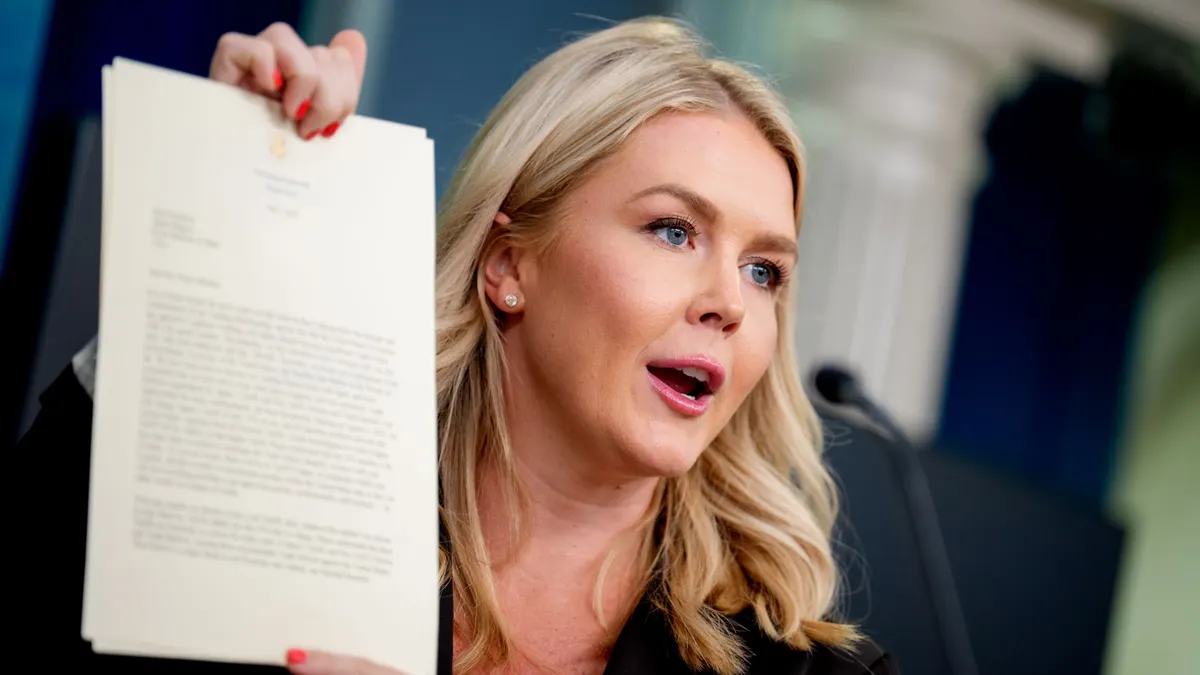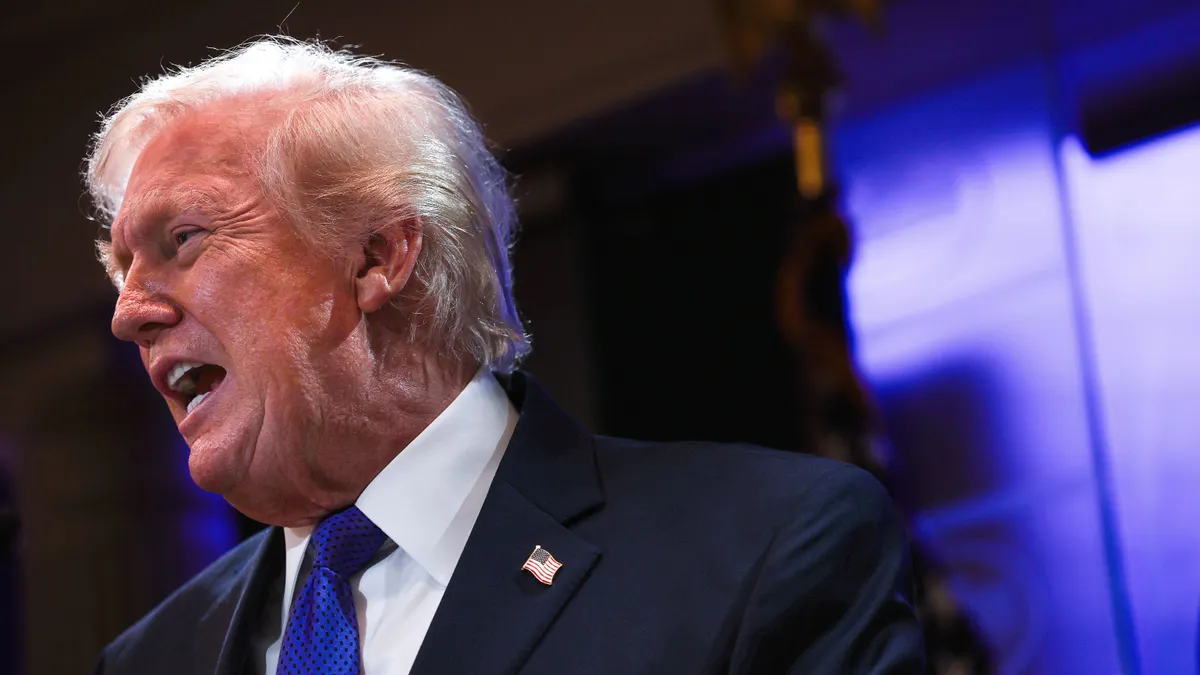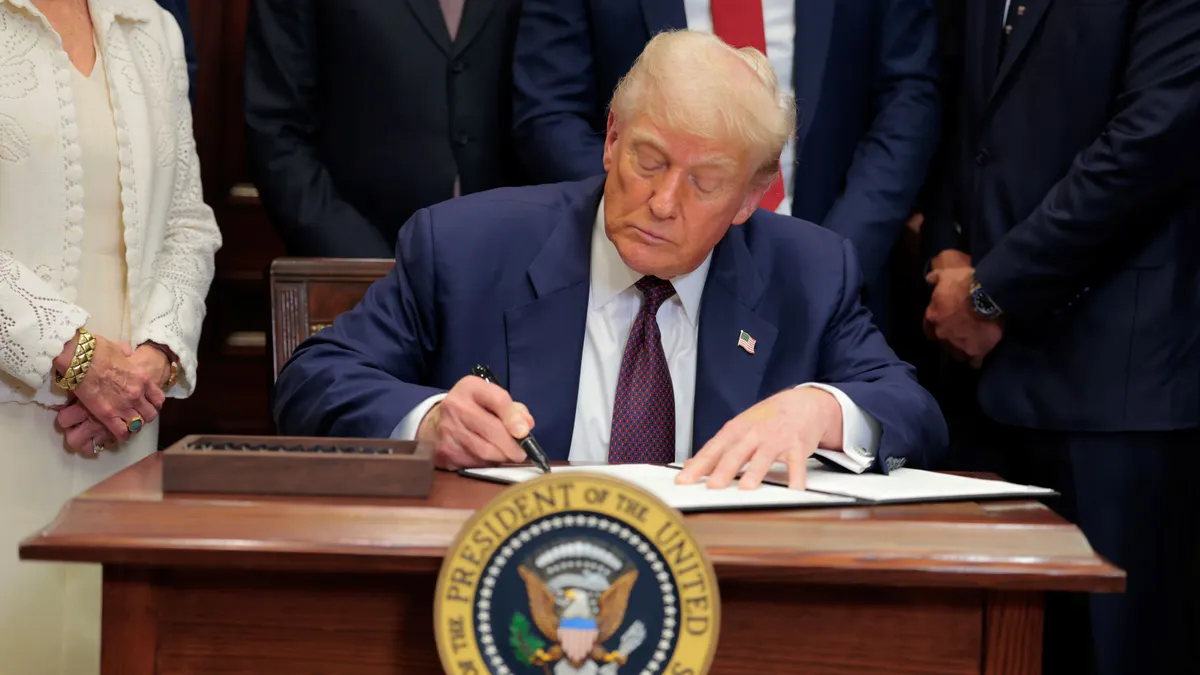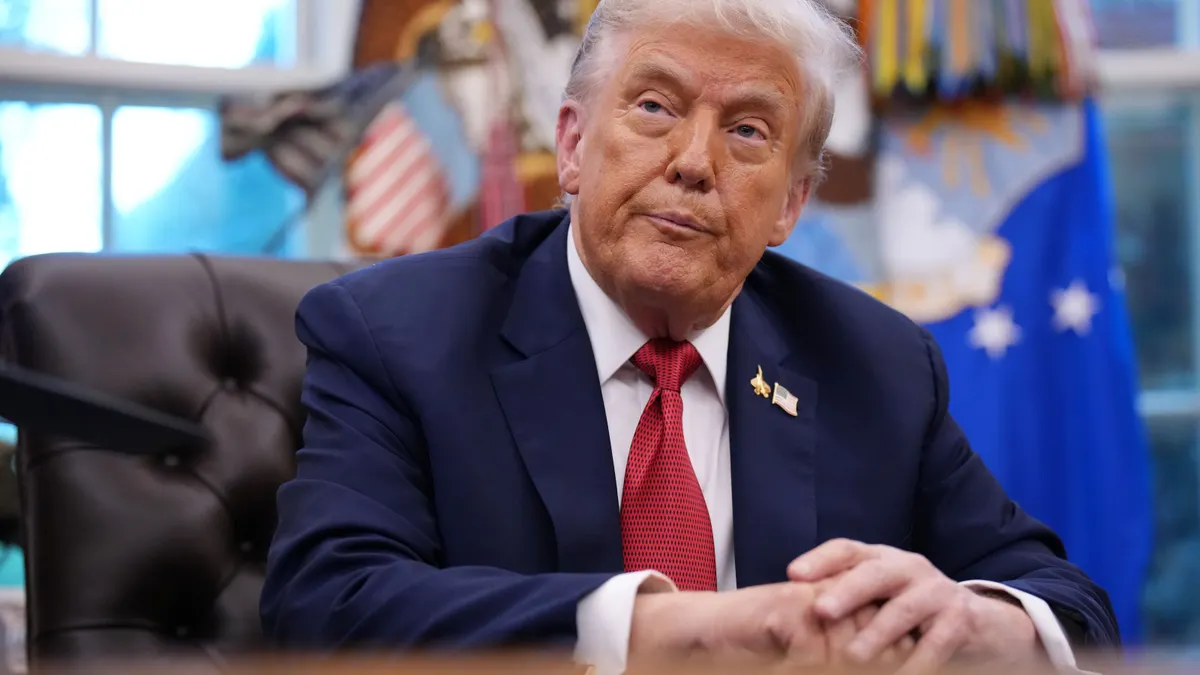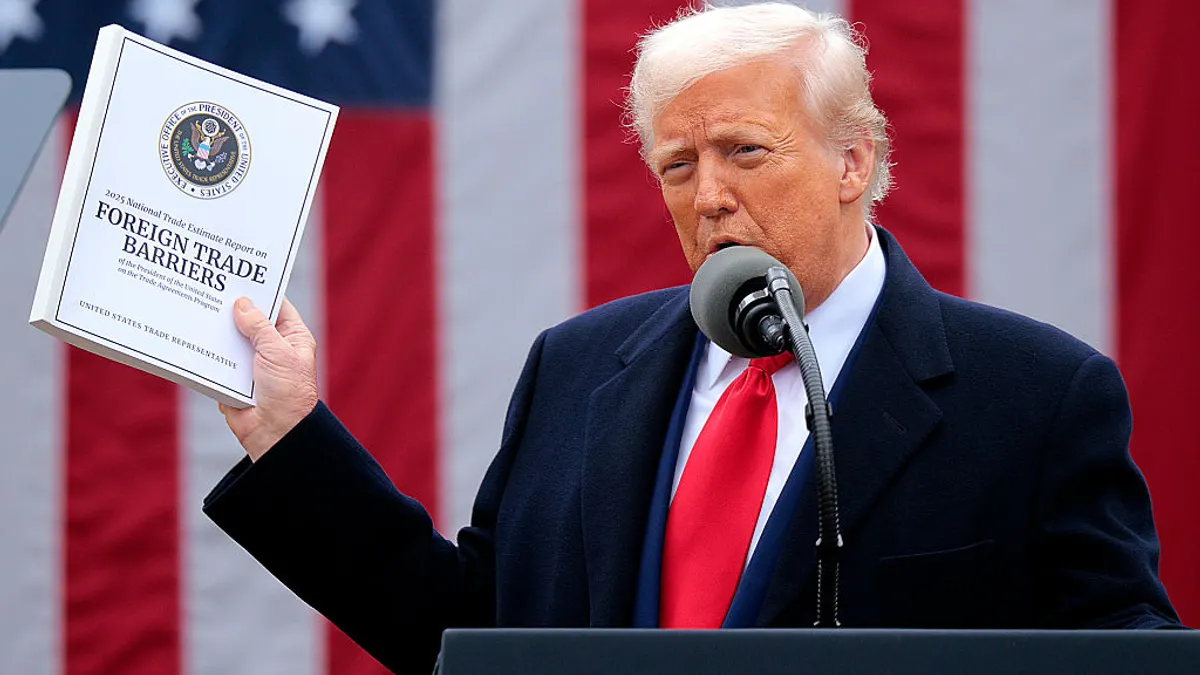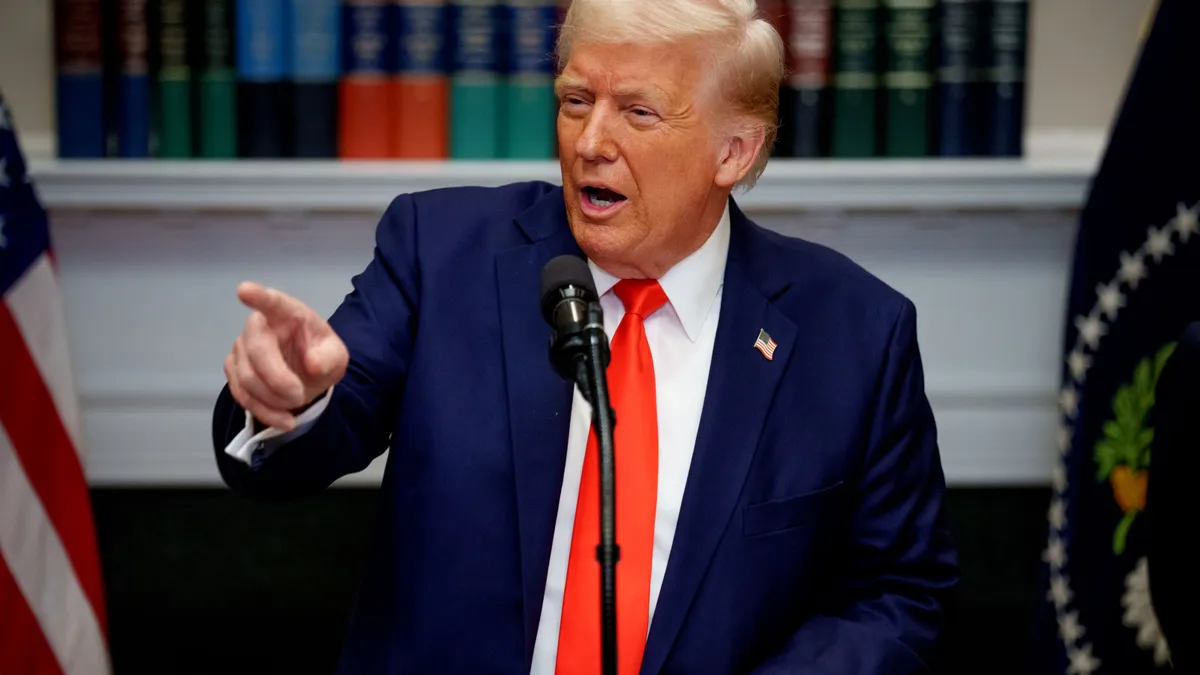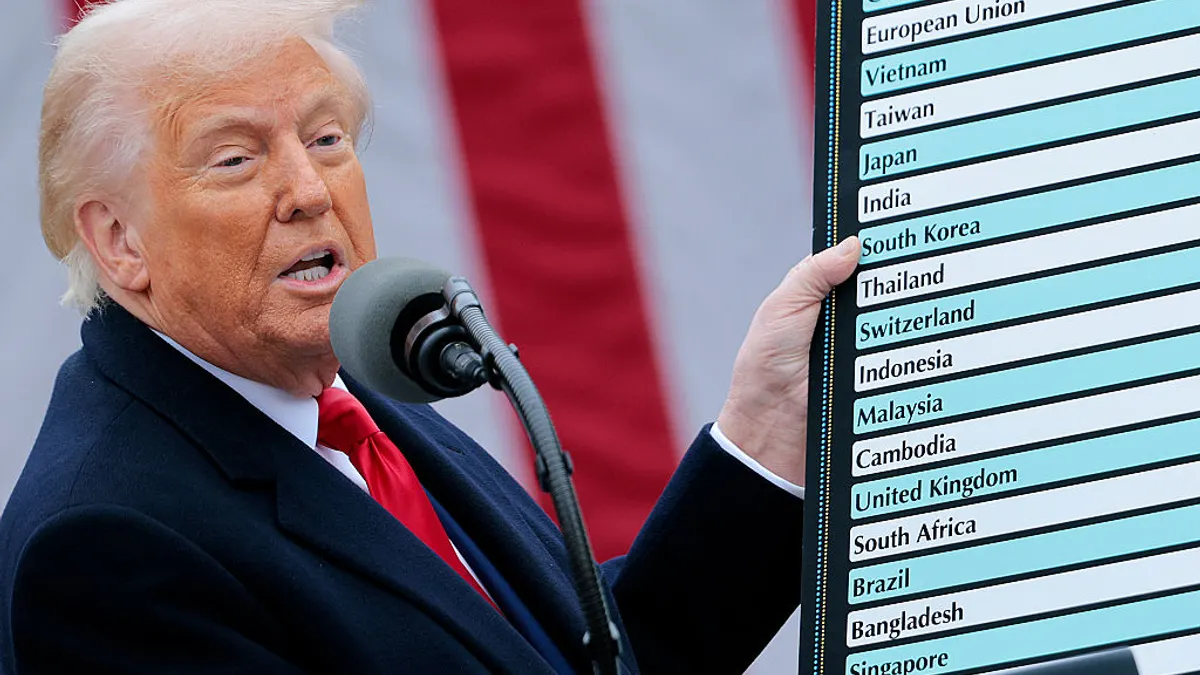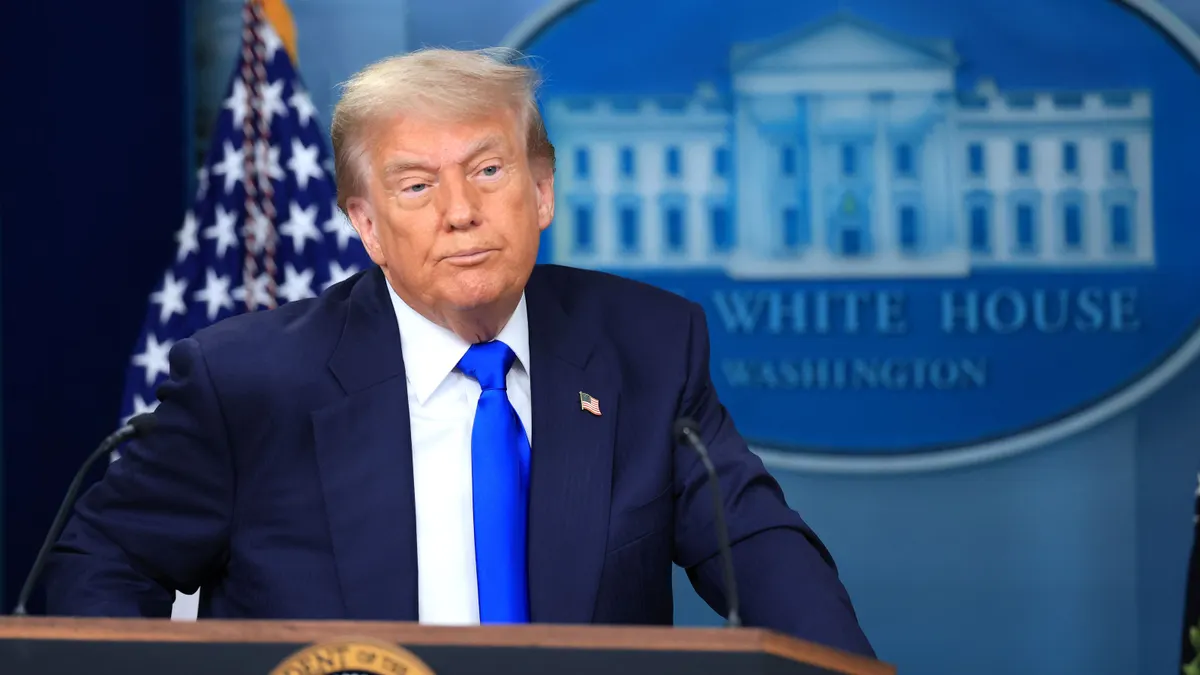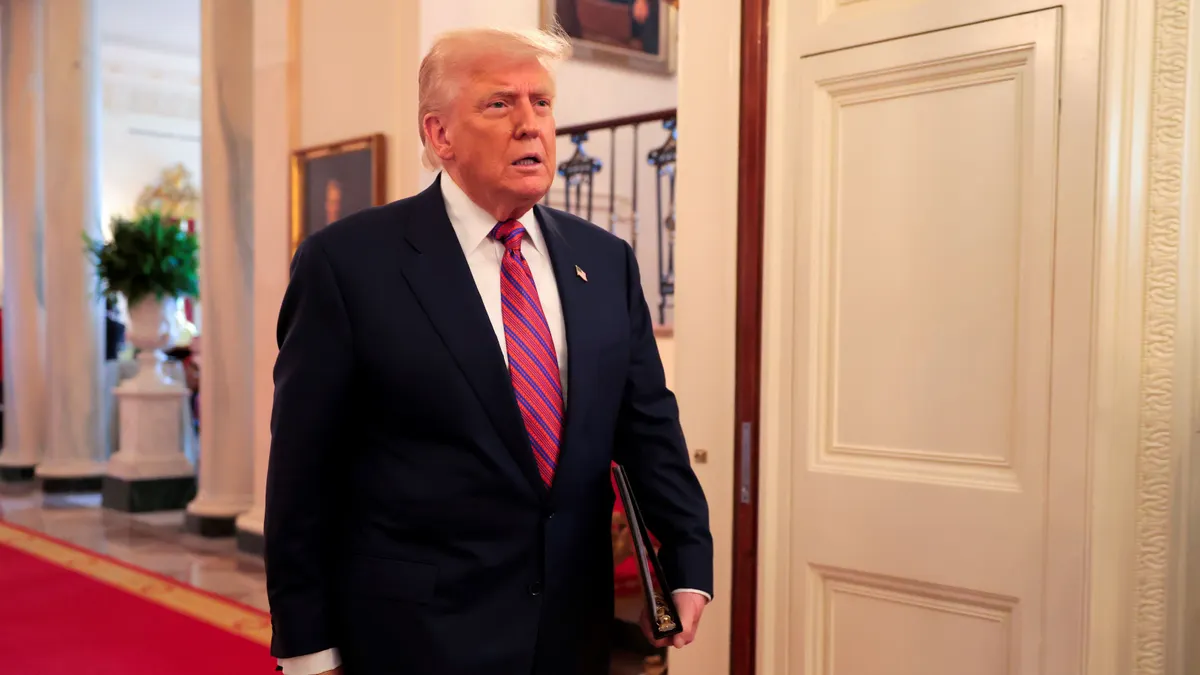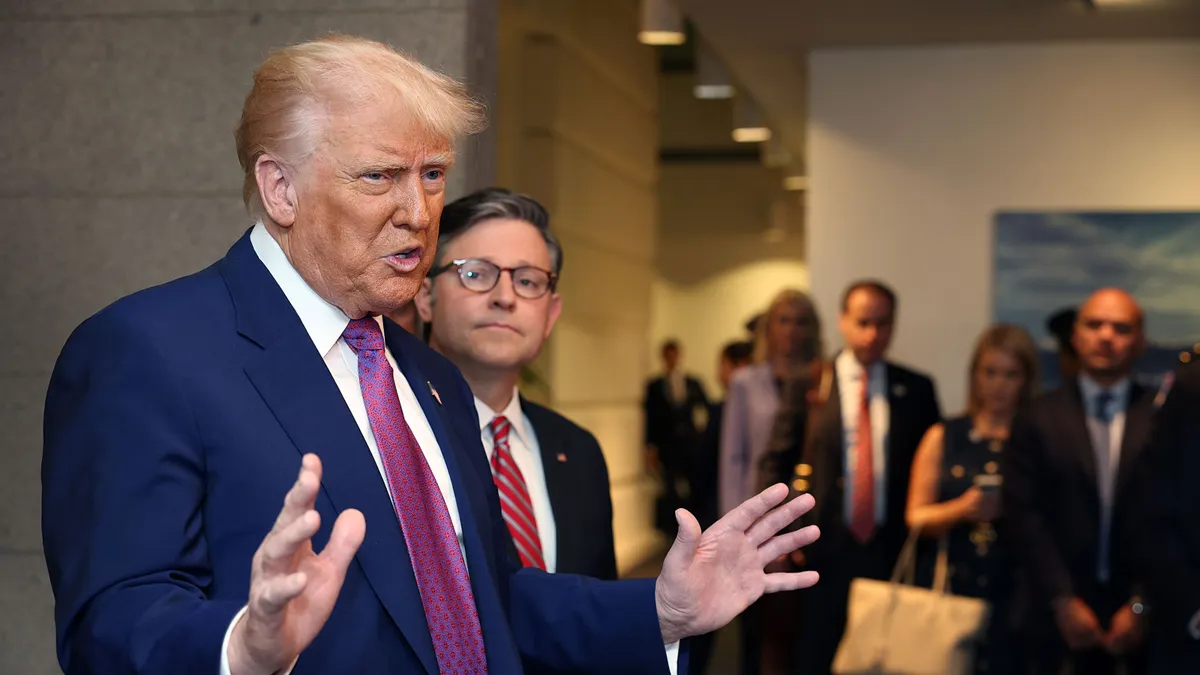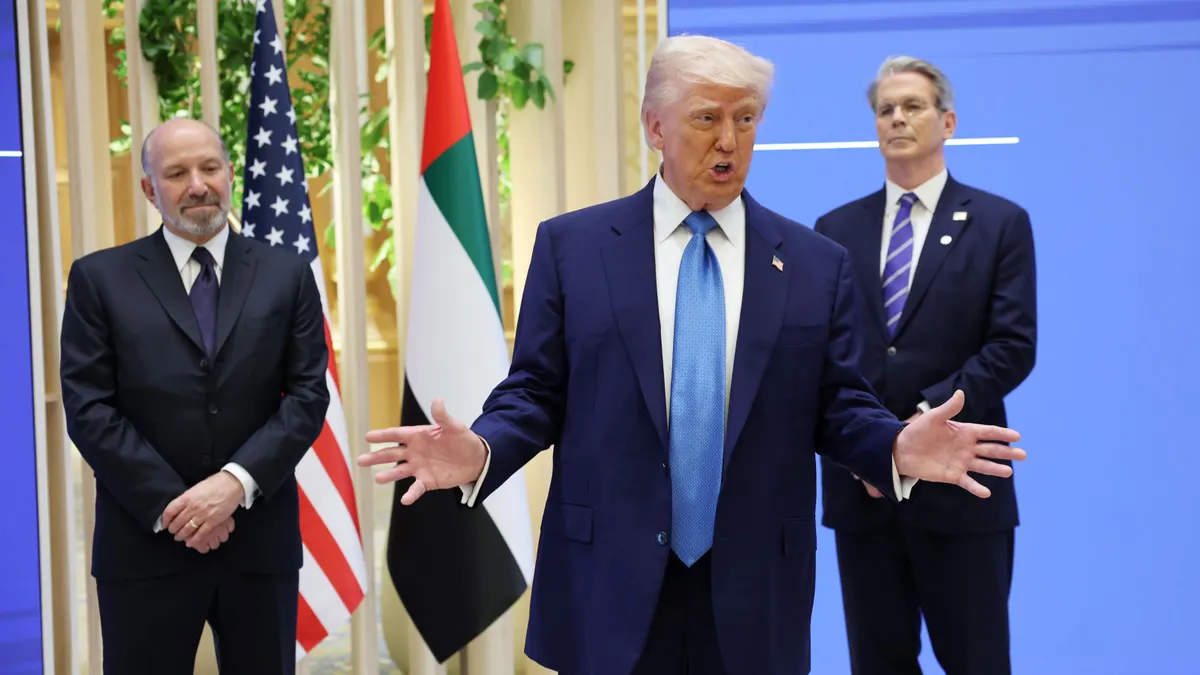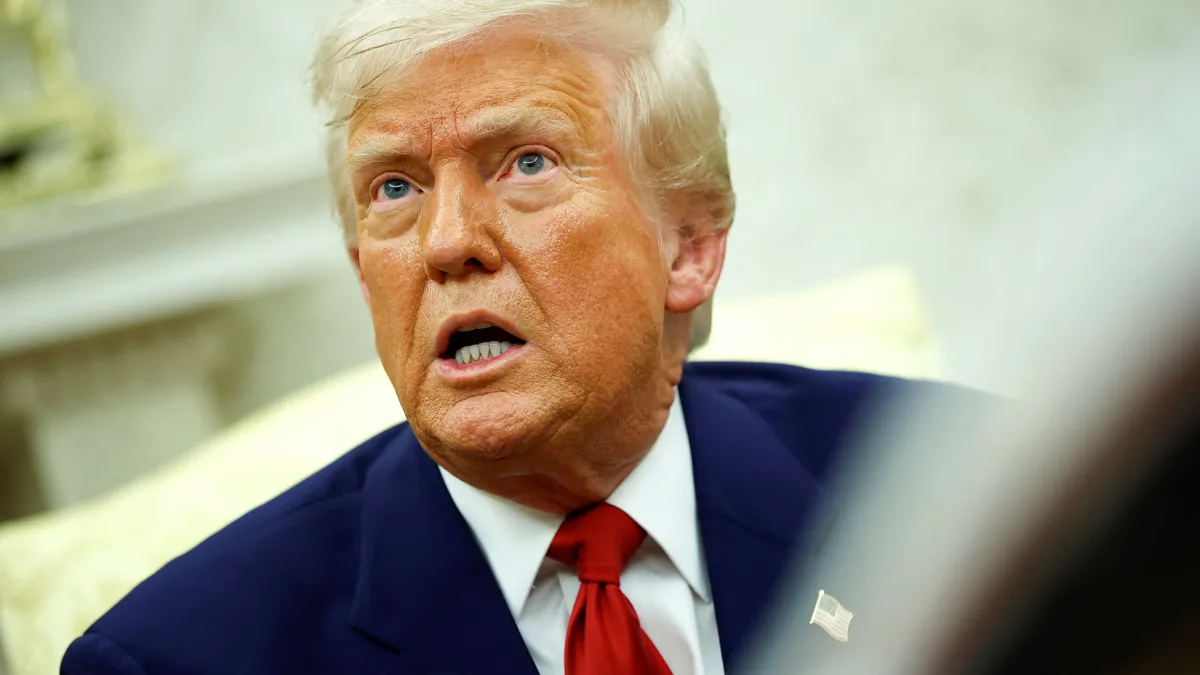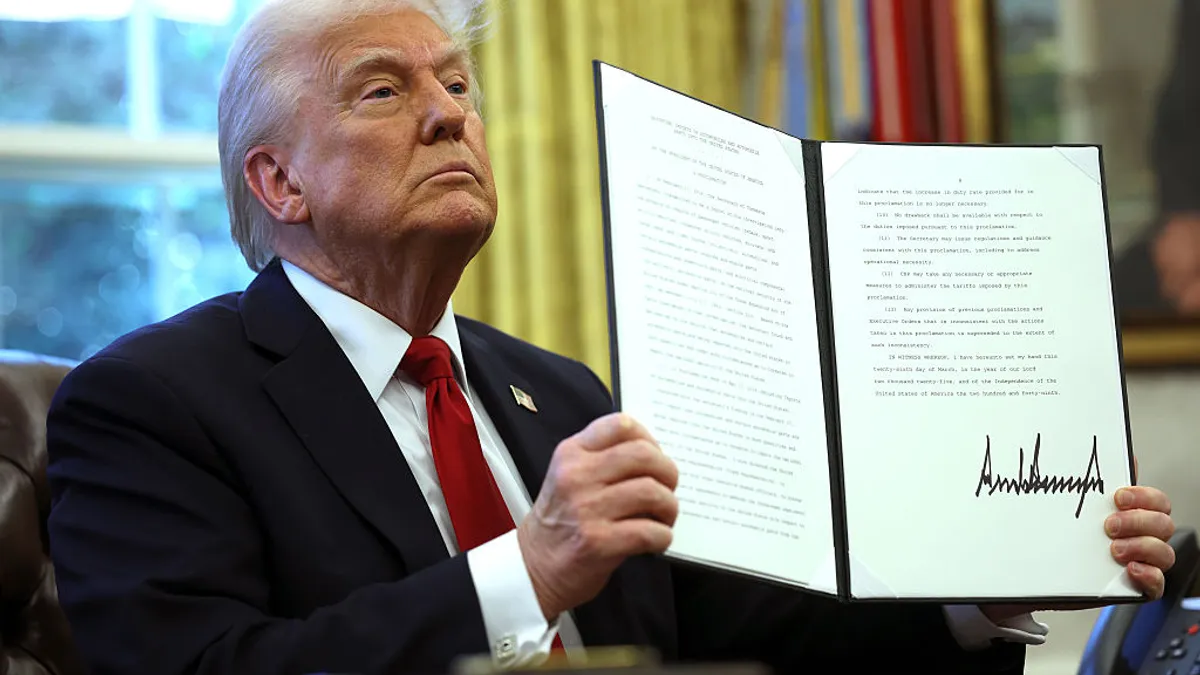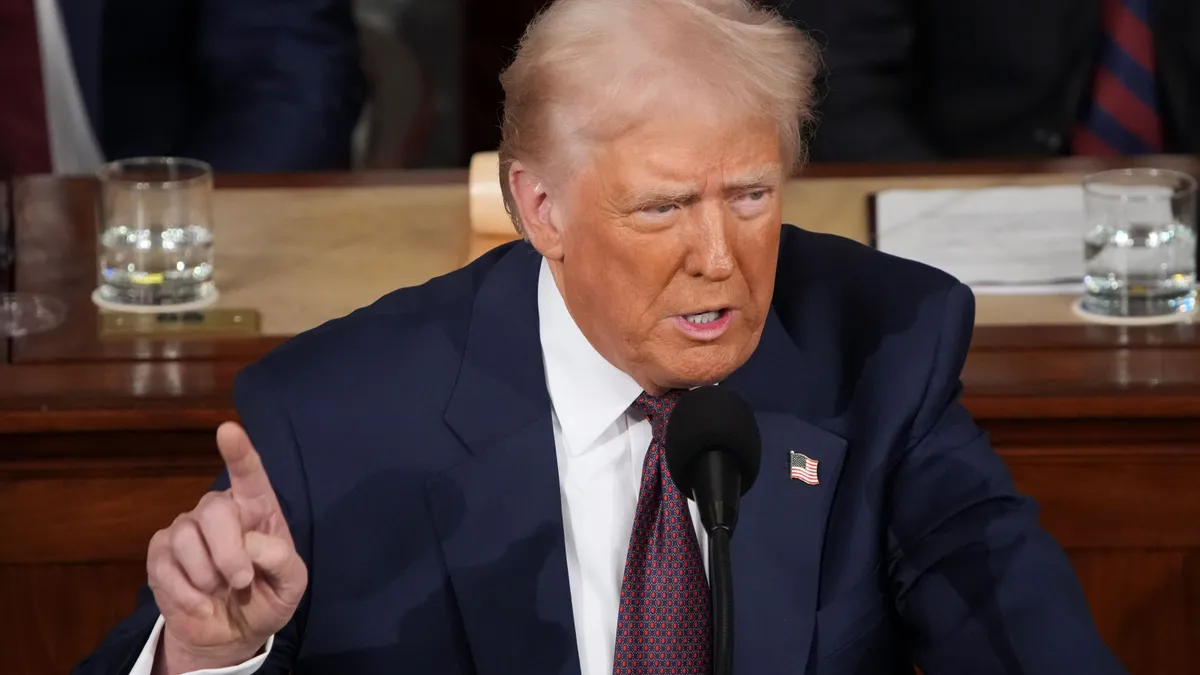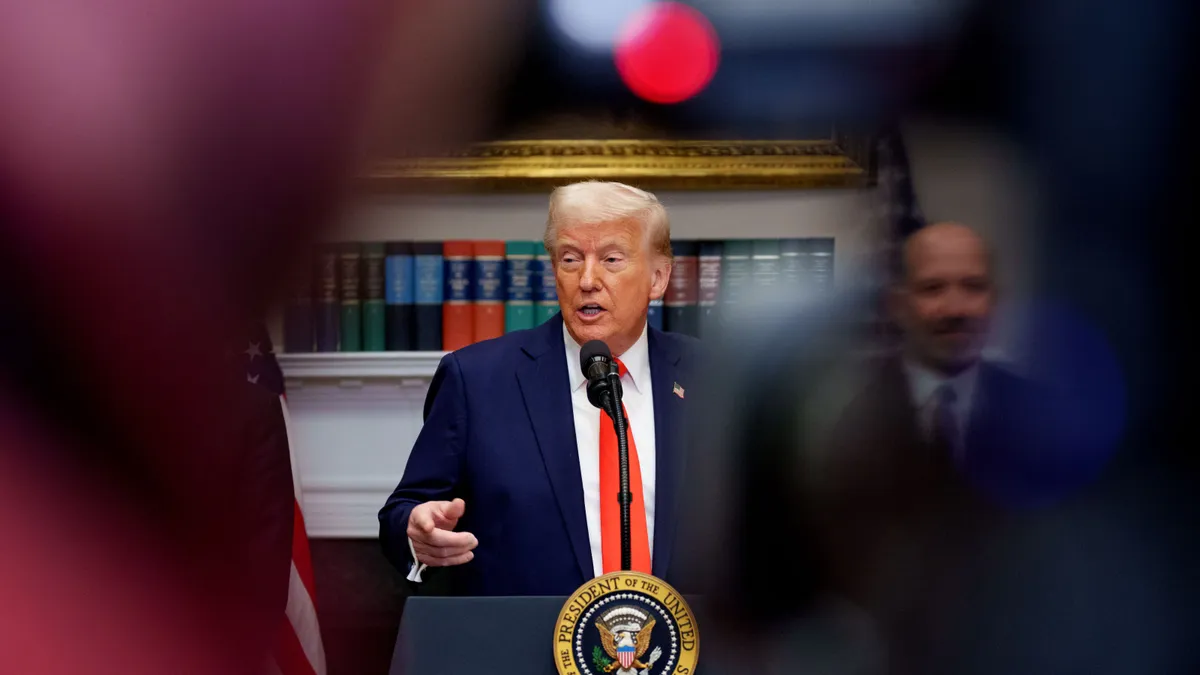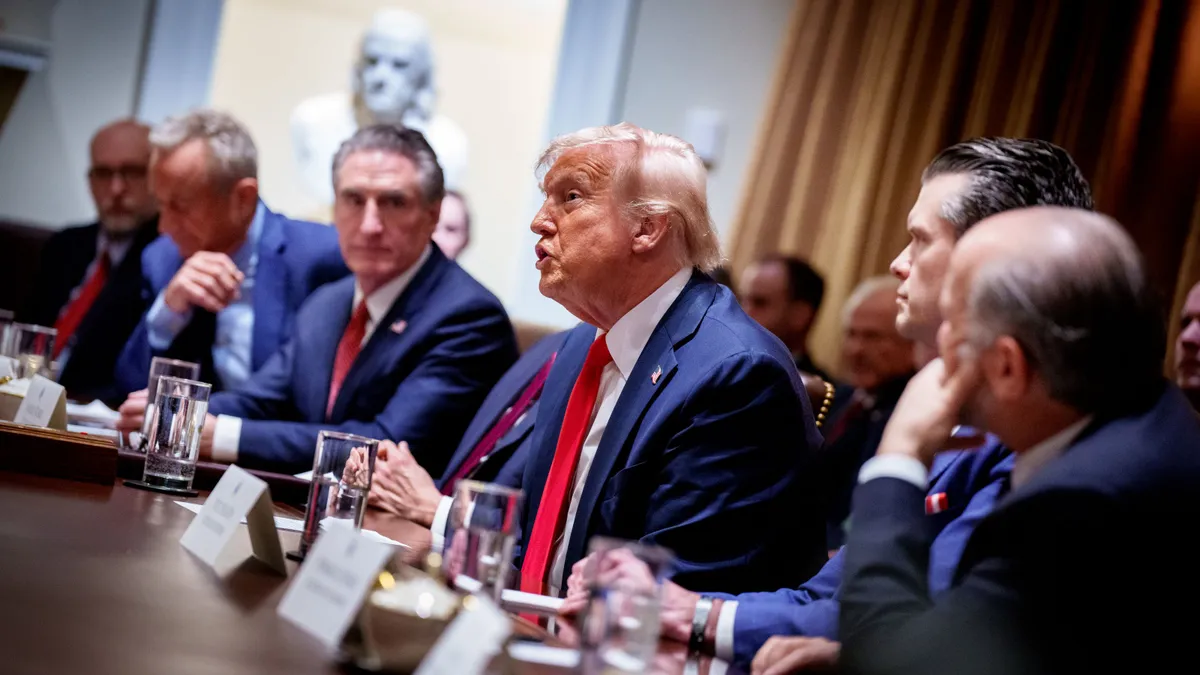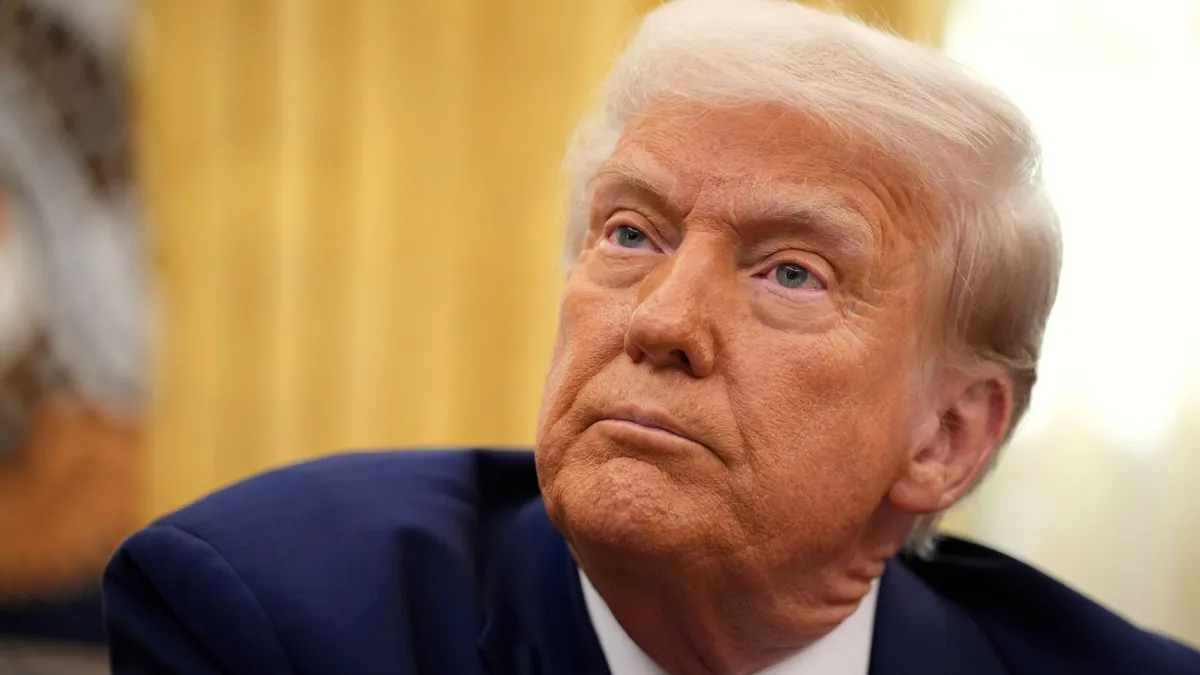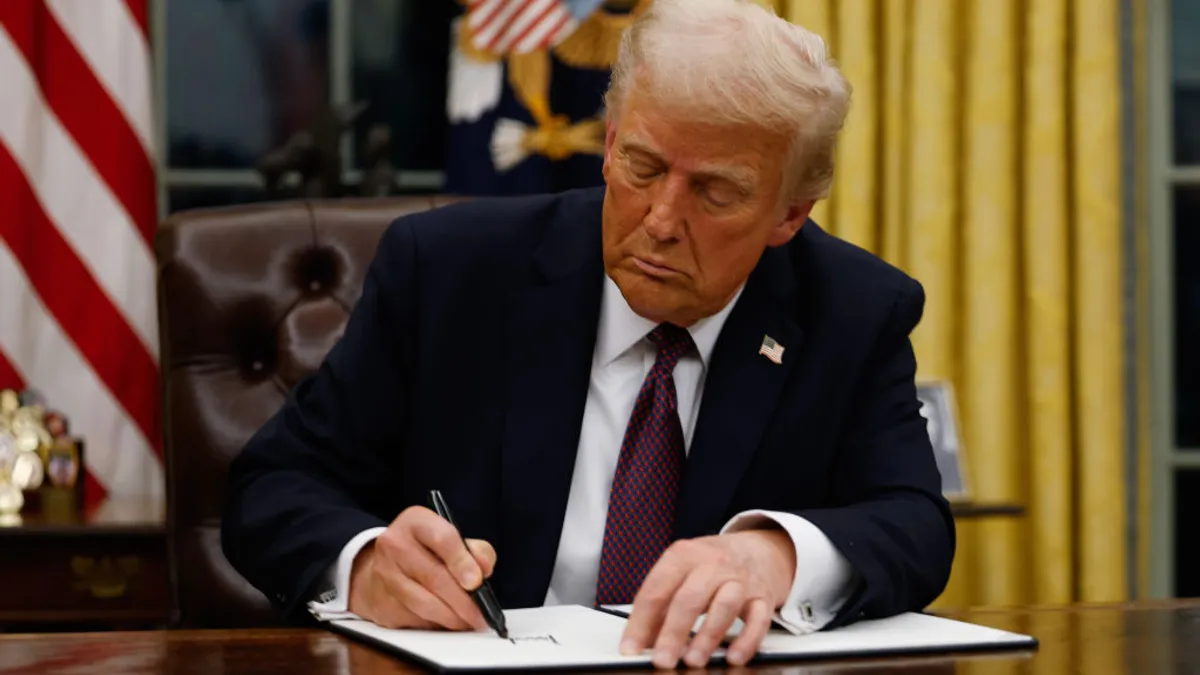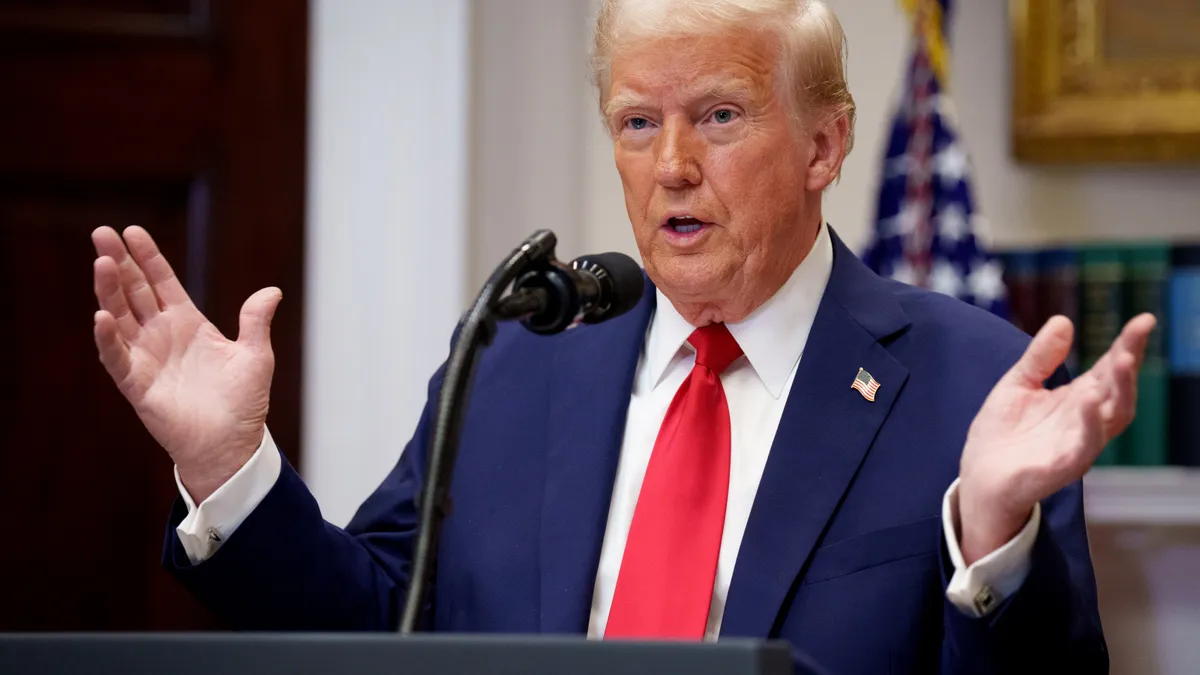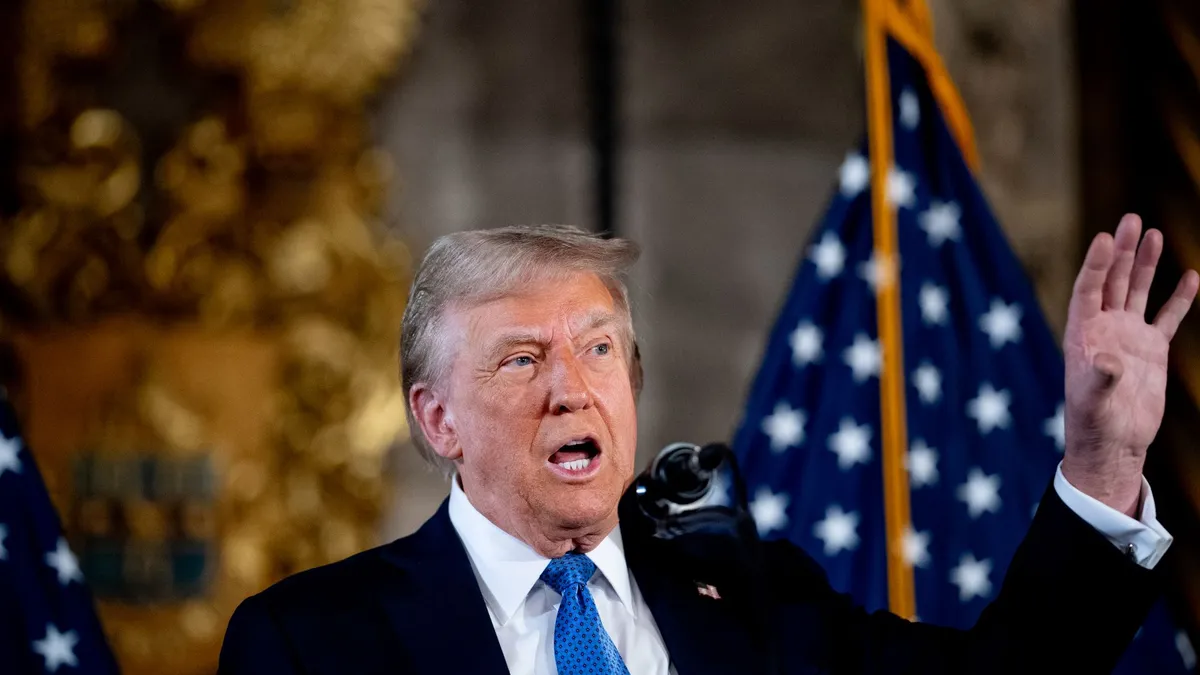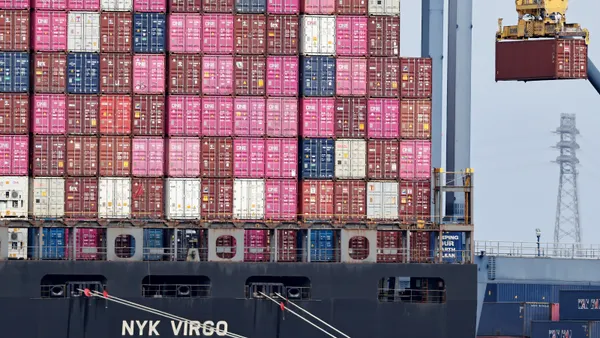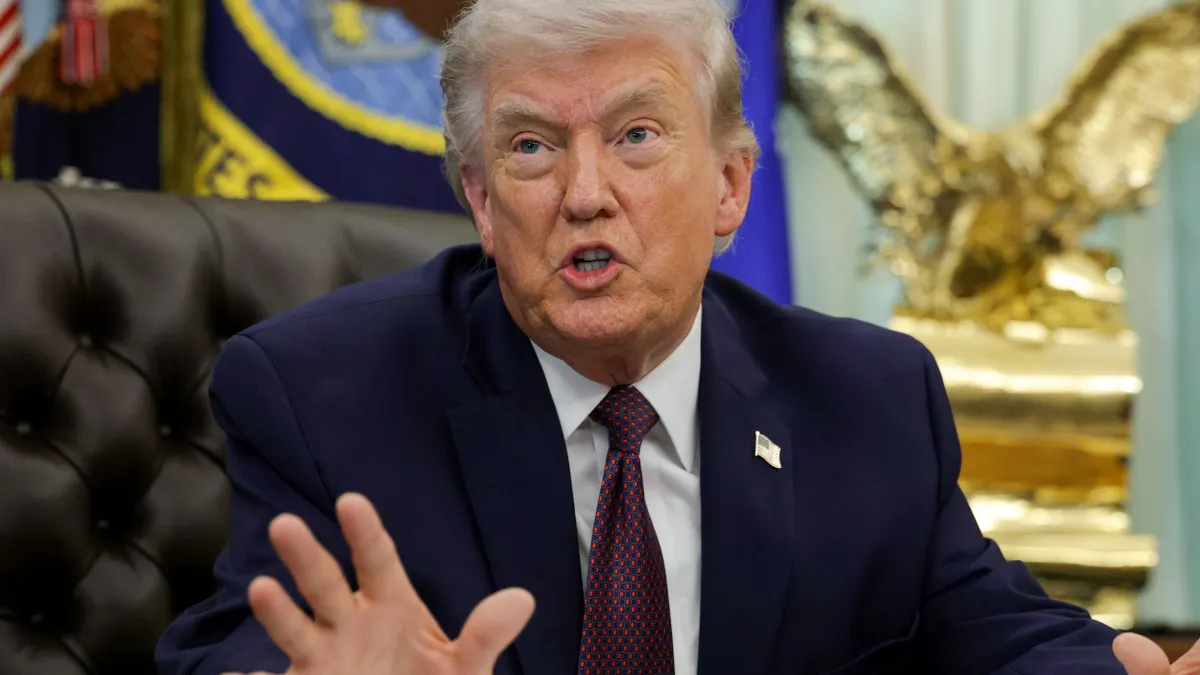
The U.S. will apply a 50% tariff on goods from countries supplying military weapons to Iran, effective immediately, President Donald Trump said in a Truth Social post Wednesday.
"There will be no exclusions or exemptions!" Trump wrote, without naming specific countries that would be tariffed. The White House has yet to publish any official documentation of the tariff as of Wednesday morning and Trump did not indicate how the levy would be installed.
Earlier this year, the Supreme Court struck down Trump’s ability to unilaterally impose broad tariffs using the International Emergency Economic Powers Act, a statute the president had frequently leveraged to enact levies.
“It was stated in the post this would be ‘immediately’ but it isn't clear how or under what authority/trade remedy. With IEEPA gone this isn't an easily executed threat,” Pete Mento, director of global trade advisory services at Baker Tilly, said in a LinkedIn post.
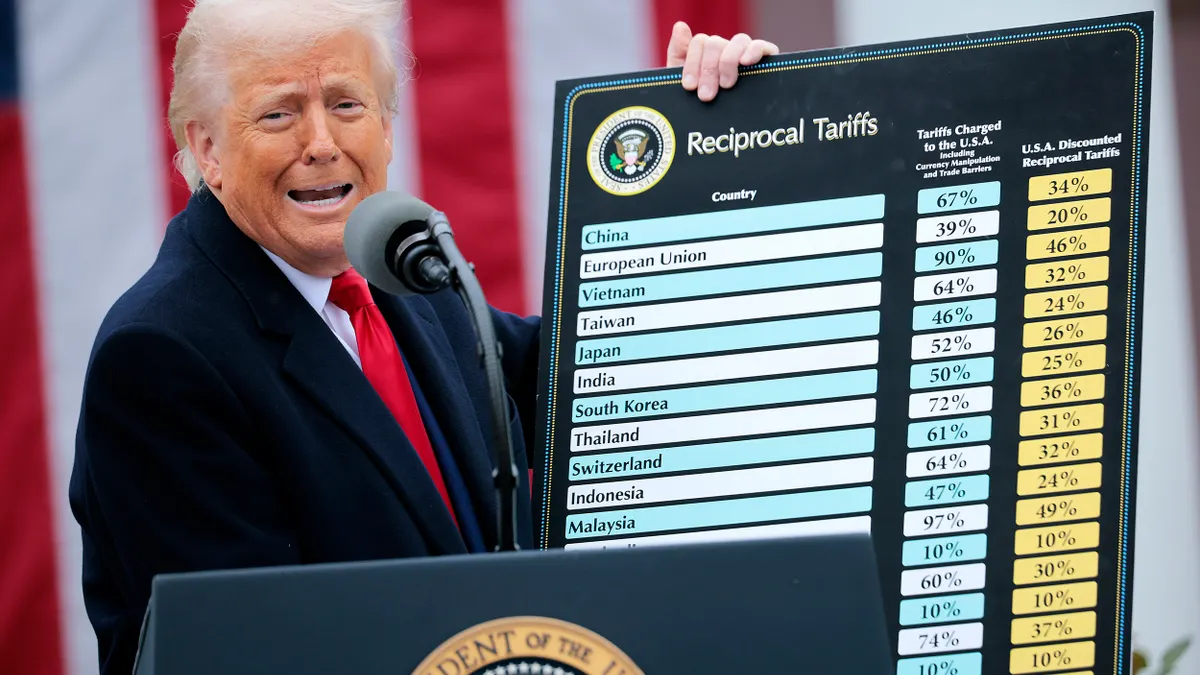
Trump has also previously threatened to install a 25% tariff on goods from countries “doing business” with Iran, but that levy has also yet to be officially documented.
Wednesday’s announcement — adding to a lengthy list of tariffs Trump has imposed or threatened in his second term — came the day after the U.S., Israel and Iran agreed to a two-week ceasefire. Since the U.S. and Israel launched military strikes in Iran on Feb. 28, the Iran war has spurred logistics challenges for supply chains and sparked a surge in fuel prices, pressuring rates and weighing on contract negotiations between carriers and shippers.
Trump said in a Truth Social post Tuesday that the ceasefire was subject to Iran agreeing to the complete and immediate reopening of the Strait of Hormuz, a key shipping channel for oil.
The conditional reopening "will provide welcome respite for global supply chains," Karin Ström, VP of logistics and supply chain at Proxima, said in emailed remarks Wednesday. However, significant uncertainty remains around the situation in Iran and the Strait of Hormuz going forward, Ström added.
"While 20% of the world's seaborne oil and most of the [liquefied natural gas] from the region moves through the Strait, many vessels may not choose to return immediately, seeking greater reassurances about the safety of their cargo and crews," Ström said.
Senior Editor Phil Neuffer contributed reporting for this story.