Supply chain uncertainty isn’t going anywhere in 2026, but after a year of immense change, particularly in global trade, companies are on firmer footing to face the challenges ahead.
Driven largely by tariffs and new regulatory structures, retailers and manufacturers forced to be reactive in 2025 have adjusted, setting the stage for bigger and bolder moves this year, experts told Supply Chain Dive.
“I think there was a lot of wait and watch, but that seems to be ending. And so I just see companies ready to make change again,” Dustin Burke, co-leader for manufacturing and supply chain at Boston Consulting Group, said.
However, readiness doesn’t mean companies won’t encounter turbulence over the next 12 months. The global trade landscape is still shifting, the economic picture remains murky and logistics challenges continue to propagate.
“Winners in 2026 will really be those that recognize that there are real critical decision points, inflection points that are happening, that they recognize them early, and they can convert them into action to help reshape those operations quickly,” Per Hong, global lead of Kearney Foresight and a partner within Kearney's strategic operations and performance practice, said.
With geopolitical tumult already heating up this year, here’s a look at the major trends and risks supply chain managers should expect to encounter in 2026.
1. Geopolitical risks will push fragmentation and diversification
U.S. President Donald Trump’s wide-ranging tariff regime will continue to test supply chains in 2026. While the Supreme Court’s pending decision on Trump’s power to impose levies could undermine the current order, the White House has instituted numerous sector-specific duties and has cemented others through various trade agreements.
“We'll continue to see some volatility and risk related to tariff structures, which impacts how companies think about trade and maybe makes it harder to plan for longer term, more structural moves in supply chains,” Burke said.

In the face of this ongoing volatility, companies will continue to lean on more short-term tactics to blunt the impact of shifting tariffs, several experts told Supply Chain Dive.
“I am better off chunking in six months, because people change their mind,” Suketu Gandhi, partner and global chair in the strategic operations and performance practice at Kearney, said. “Leaders seem to change their mind every day. I cannot run my business that way.”
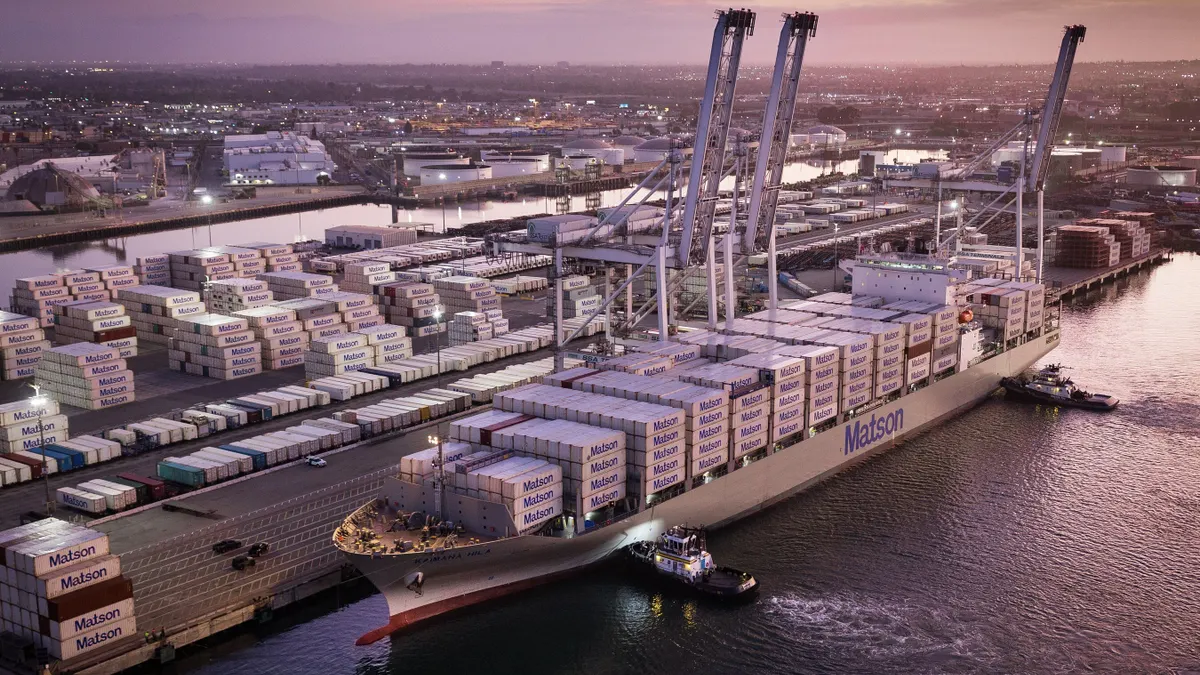
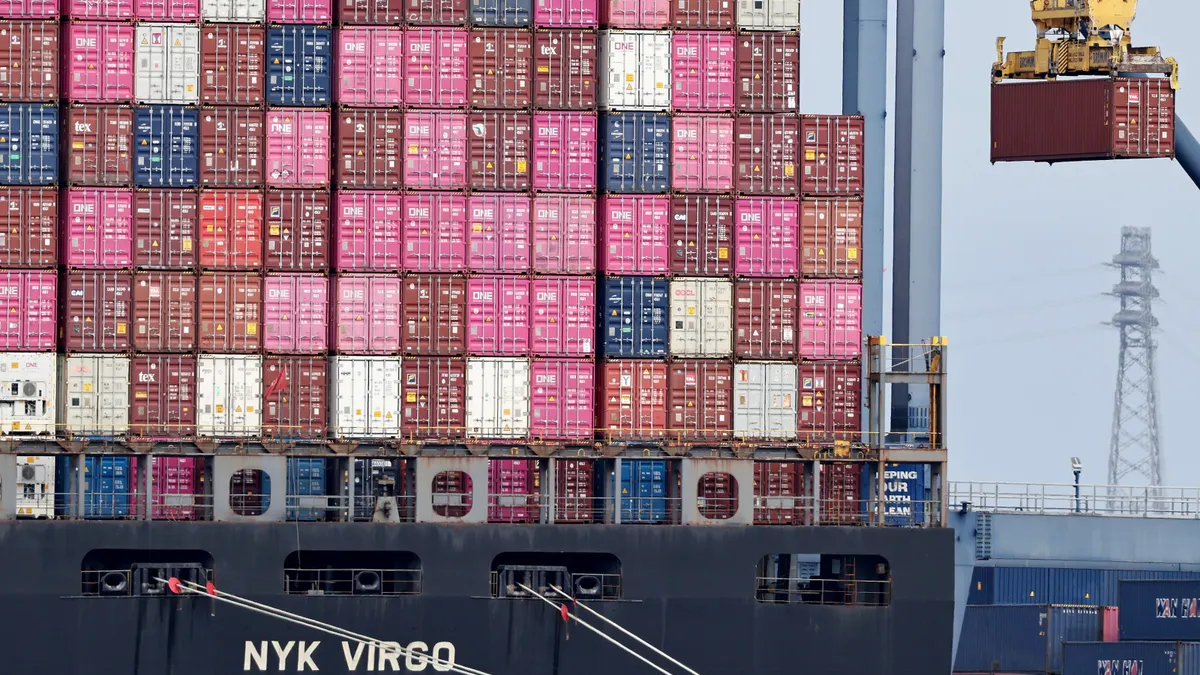
One such tactic companies employed in 2025 was frontloading cargo ahead of tariff implementation dates to maintain inventory strength. While ports such as the Port of Los Angeles are expecting volume declines this year compared with some of the frontloading spikes of 2025, a major drop is not expected.
“I think we'll see a normalization of that in 2026 and perhaps a bit of a return to more of the kind of usual flows of inventory,” Jess Dankert, VP of supply chain at the Retail Industry Leaders Association, said.
Beyond tariffs, companies must also contend with evolving geopolitical risks, particularly as the Trump administration increasingly employs aggressive tactics to advance its international ambitions.
Meanwhile, the looming review of the United States-Mexico-Canada Agreement this summer will serve as a critical turning point for supply chains within the three countries, according to Hong. He added the revised agreement and other bifurcated trade deals worldwide will further fragment the global economy.
“Companies and countries are going to have to work not within a trading block, but within these sub bifurcated or bilateral sorts of deals that creates greater levels of complexity for companies writ large,” Hong said.
Against this backdrop, companies will reevaluate supplier relationships, viability and visibility across their networks, while others will focus on further diversifying or regionalizing their supply chains, experts say.
2. Economic turbulence will test supply chains
Overall consumer spending remained resilient in 2025 but is expected to decelerate this year as affordability concerns and a softening labor market stress shoppers’ wallets, according to a December report from Moody’s.
The ongoing pressure for consumers will put supply chains to the test in 2026 from a planning and pricing perspective both for retailers and consumer goods companies and upstream sectors such as packaging and chemicals, according to Burke.
“It becomes less about a single debt crisis and more about how do I manage my overall viability.”

Per Hong
Partner, Kearney's strategic operations and performance practice
The sluggish housing market is also expected to continue having a trickle-down effect on supply chains in 2026, per Rick Jordon, senior managing director and co-leader of U.S. business transformation at FTI Consulting. Beyond the impact on commodities like lumber, fewer housing units under construction mean less demand for furniture, sinks and other household goods, affecting manufacturers of such products.
Companies could also feel the impact of deteriorating economic performance across their suppliers as global debt levels continue to rise, according to Hong.
“It becomes less about a single debt crisis and more about how do I manage my overall viability,” Hong said, encouraging companies to stress test suppliers for refinancing risks, redesign inventory strategies for payment terms and diversify away from fragile logistics corridors.
3. Cost optimization will be a top priority
With continued uncertainty driven by fluctuating trade and economic factors, costs are expected to rise, forcing companies to prioritize cost optimization in their supply chains more than usual in 2026, experts said.
As an example, Burke expects many companies will optimize their global manufacturing and distribution networks to offset underutilized capacity that is no longer cost competitive. This could lead to moves such as plant closures and distribution network consolidation.
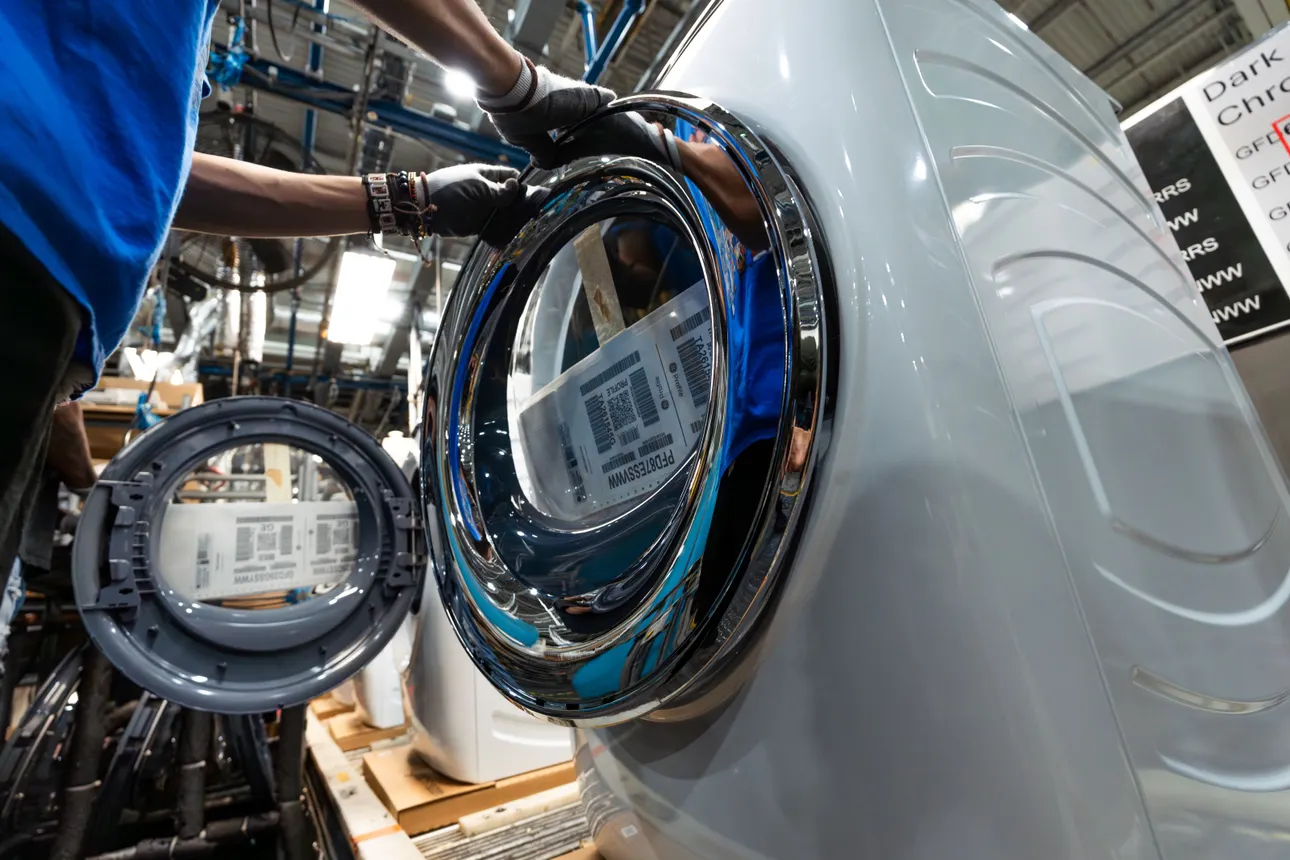
On the distribution front, companies may also be more keen to review the geographic footprint of their networks as well as transportation costs as rates fluctuate, according to Matt Stekier, a principal at Plante Moran.
“Transportation cost is like car insurance: You should quote it out every couple years because if you're not requoting your car insurance every couple years, you're probably paying more than you need to,” Stekier said.
Modal flexibility will also be a critical tool in maintaining supply chain resilience in the coming year, Mike Short, president of global forwarding at C.H. Robinson Worldwide, wrote in a November article.
“Be prepared to shift between ocean, air, and other modes, including exploring a combination of sea-air and LCL consolidation strategies, as market conditions change,” Short wrote.
4. AI hype will face recalibration
Every sector continues to chase the promise of artificial intelligence, but 2026 will likely be an inflection point in the technology’s future within the supply chain. Experts say many companies have not yet achieved the immediate large-scale impact from AI investments they had hoped for, causing leaders to recalibrate timetables and expectations.
"We're seeing supply chains becoming a little bit more in self-correcting, where AI predicts disruptions, optimizes the flows, and hopefully automates the planning," Abe Eshkenazi, CEO of the Association for Supply Chain Management, said, adding, "The unfortunate part is that while the investment is there significantly on AI, the return on investment just isn't there yet."
Resetting expectations won’t stop companies from continuing to experiment and push AI deployment across their operations, however, according to Gandhi, who cites the declining cost of the technology and the field's rapid pace of innovation as major drivers.
“Transportation cost is like car insurance: You should quote it out every couple years because if you're not requoting your car insurance every couple years, you're probably paying more than you need to.”
Matt Stekier
Principal, Plante Moran
Agentic AI is poised to be a particularly alluring technology in the supply chain space, given its applications in demand planning, forecasting and decision-making, Burke said.
Meanwhile, generative AI is also proliferating throughout the supply chain industry, with 91% of mid-market manufacturers using it in some capacity, according to a West Monroe report.
However, supply chains are still in the early stages of utilizing these tools and reaping the potential benefits.
“The operating model behind the supply chain is not evolving nearly as quickly as the technology is, and that is going to create a breaking point,” Hong said.
In 2026, companies will focus on scaling AI responsibly by building the data foundations, workforce skills and governance guardrails to advance beyond experimentation to achieve measurable results at scale, according to the West Monroe report.
5. Companies will contend with supply chain workforce challenges
From the factory floor to the boardroom, the supply chain workforce will continue to undergo a dramatic shift in 2026 as companies contend with aging leadership, labor shortages and the need to introduce new skills.
Continued investments in AI and automation, along with staffing restrictions due to immigration regulations, are creating a deep divergence in labor availability, costs and productivity, which will be a fundamental challenge for supply chains in 2026, according to Hong.
“So for supply chain leaders, labor is no longer a stable input,” he said. “It's really a strategic constraint.”
Given such labor challenges, companies are endeavoring to make their processes as lean as possible, with more and more investment in automating systems, Stekier said.
Companies will continue to prioritize developing and retaining talent, as well as upskilling employees to optimize production alongside new technologies such as AI. However, finding AI-knowledgeable workers and providing adequate training remain challenges.
"And so you've got powerful systems with talent that don't understand, or critically think, or problem solve, the data coming in, the data coming out," Eshkenazi said. "What we're promoting is that your investment in talent ought to be commensurate with your investment in technology."
Antone Gonsalves contributed to this story.