China has launched a pair of investigations into U.S. trade practices in response to similar probes from the Trump administration, according to a spokesperson for China’s Ministry of Commerce.
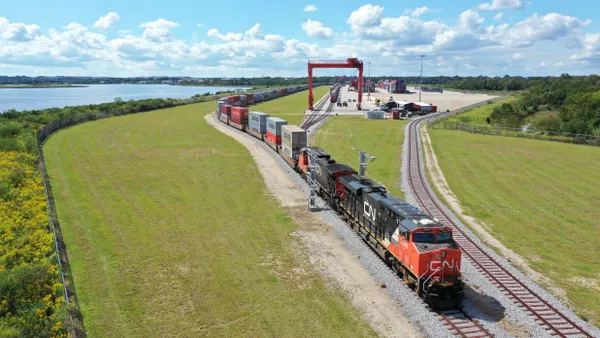
The first investigation will examine whether U.S. measures are disrupting global supply chains, while the second will look into U.S. practices that may be hindering the trade of green products, although the ministry did not specifically define this category.
The Ministry of Commerce said preliminary evidence indicated that the U.S. has installed practices that specifically harm Chinese industry. The ministry said these measures are prohibiting China-made goods, including green products, from entering the U.S., and also slowing down the deployment of new energy products and restricting cooperation on green technologies.
Both investigations will be carried out over the next six months, with the ministry utilizing questionnaires, hearings and on-site investigations to assess the impact of U.S. trade practices.
The spokesperson said the probes were a response to a pair of Section 301 trade investigations the U.S. launched into potential manufacturing overcapacity and forced labor regulations. China was one of the countries targeted in each probe.
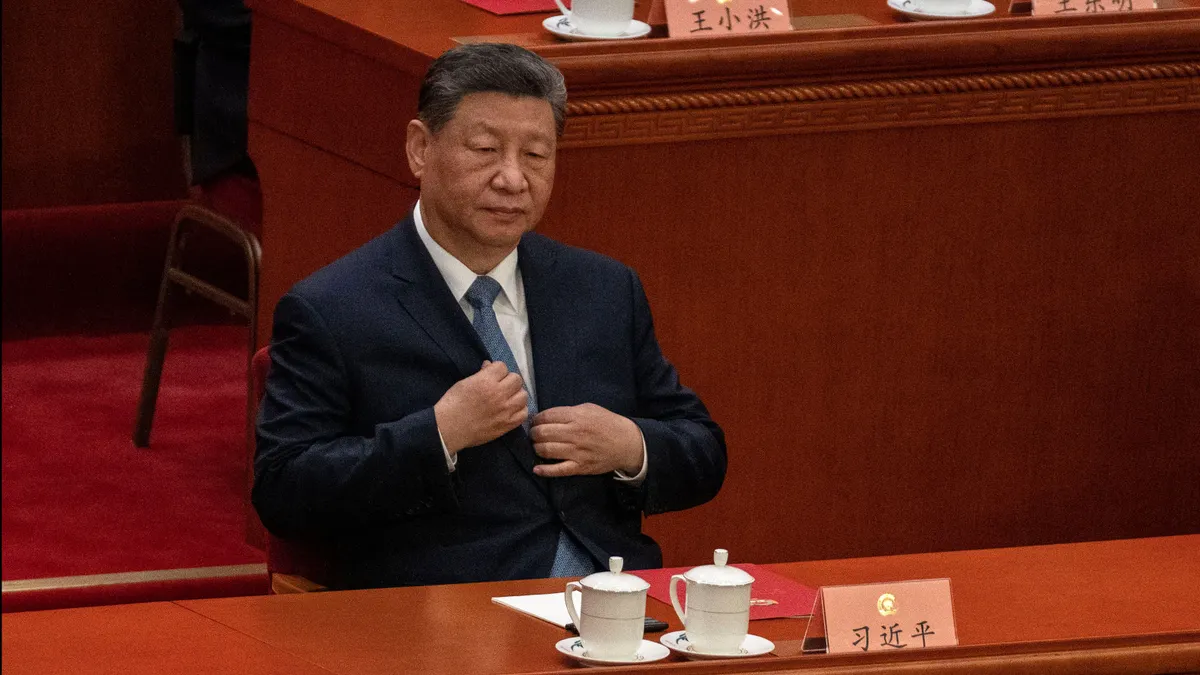
China’s probes come ahead of a planned meeting between China President Xi Jinping and U.S. President Donald Trump, scheduled for May. White House Press Secretary Karoline Leavitt confirmed Thursday the meetings will take place May 14 and May 15 in Beijing.
Xi and Trump met in October to iron out the details of a trade war truce. The two had countries engaged in a back-and-forth trade spat for much of last year that led to escalating tariffs from both sides. However, the terms agreed to then were largely based on tariffs Trump installed using the International Emergency Economic Powers Act. Those levies have since been lifted following a Supreme Court ruling that invalidated them.
“In a move exuding growing confidence, China is in effect telling the US that if you return to your IEEPA level tariffs (which we accepted in our October truce) we will impose more tariffs to match that increase,” Wendy Cutler, SVP of the Asia Society Policy Institute, said in a LinkedIn post. “And to back off this move, expect the emboldened Chinese negotiators to make more asks when the leaders meet in May.”