The U.S. Postal Service's last-mile facilities are open for business — at the right price.
The agency is enabling shippers to reserve capacity at thousands of locations nationwide via an online bidding process, part of Postmaster General and CEO David Steiner's efforts to better monetize the USPS network. Winning bidders will be able to inject volume into facilities closer to end customers for faster delivery, bypassing the standard end-to-end Postal Service shipping process.
“We see this initiative as a compelling value proposition for many shippers who we know are wrestling with the need to deliver to their customer as quickly and reliably as possible," Steiner said in a December news release. "Our solution is to establish a fair bidding process that enables the marketplace to find the best mix of local shipping attributes for the best volume-driven pricing."
Steve Monteith, the Postal Service's chief customer and marketing officer, provided answers to three key questions about the process during an agency webinar on Monday, including what can be bid on, how to bid and what comes after.
What can shippers bid on?
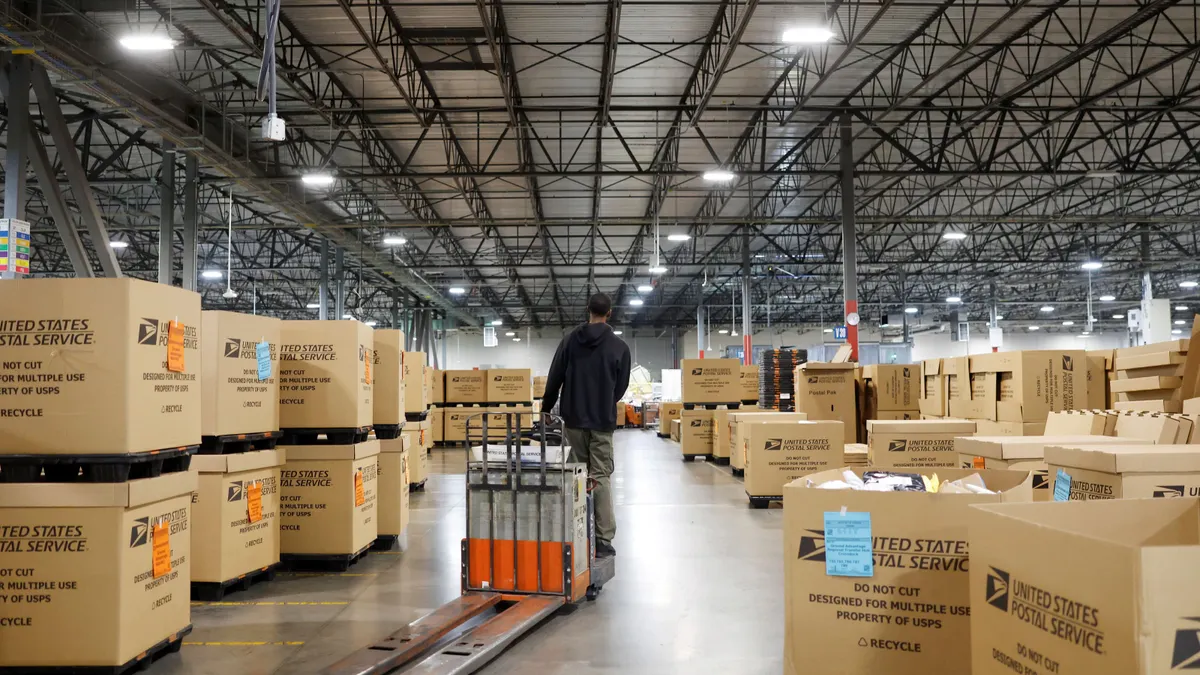
Shippers can bid on capacity at the Postal Service's more than 18,000 destination delivery units, or DDUs, near end consumers and 170-plus local processing centers further upstream, Monteith said. Interested parties can also make a wider-ranging bid for local markets or entire regions covered by these facilities based on business needs.
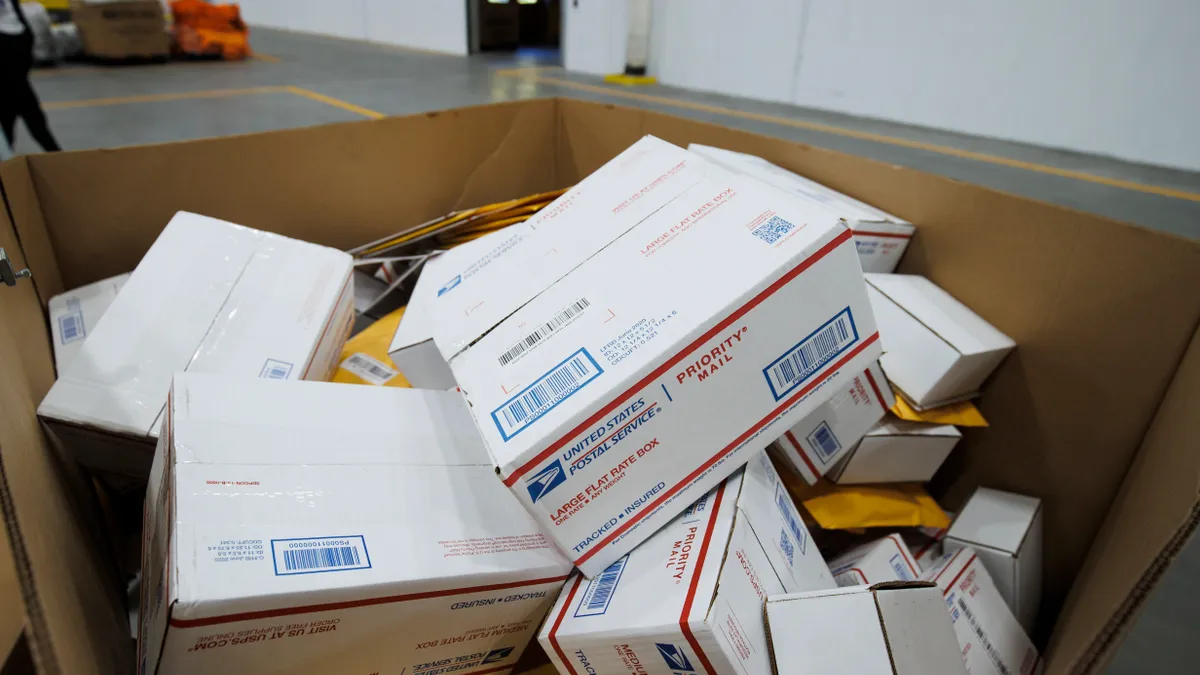
Terms for winning bidders will be solidified through a negotiated service agreement for the Postal Service's Parcel Select product. Successful bidders can then bring volume directly to destination delivery units and local processing centers for expected same-day or next-day delivery. The entry points will accept volume from multiple container types, including bags, pallets and gaylords, Monteith said.
Such an approach has historically been used among package consolidators and other large-scale shippers before the USPS disincentivized direct DDU access under former Postmaster General Louis DeJoy. Now headed by Steiner, the Postal Service wants a wider range of customers to tap into its last-mile capacity in a bid to increase revenue.
"Direct DDU access gives shippers the ability to inject parcels deeper into the USPS network, bypass upstream chokepoints, and stabilize last‑mile performance," Derreck Travers, SmartKargo SVP of e-commerce and business development, said on LinkedIn. "For high‑volume, lightweight residential shipments, this creates opportunities to simplify routing and reduce reliance on consolidators."
How can shippers bid?
Shippers can submit an inquiry form with their email address, company name and phone number via the Postal Service's website. The submission is directed to the USPS sales team, which will contact bidders about participating in the process and accessing the online portal in which bids are made.
Once the agency grants access to the portal, shippers can upload a spreadsheet with their bid information. This can include volume commitments, number of parcels or pallets per period, pricing structure per parcel or pallet, package handoff timing, and tender and pickup windows, Monteith said.
"You decide how to structure your solution by proposing your own combination of volume-based pricing and tender times at your preferred location," Monteith said. "The result is a logistics strategy that's fully customizable, flexible and built around your priorities."
Many businesses will likely keep their bids focused on areas "where it drives revenue lift, while avoiding lanes where bidding pushes USPS costs above their threshold," according to Travers.
"The bidding environment will reward networks that can offer consistent volume, predictable tender windows, and strong service performance," Travers said.
What happens after bids are submitted?
Bid submissions can be adjusted until the portal closes on Feb. 16, Monteith said. Once the bid process concludes, the Postal Service aims to lock in accepted offers through negotiated service agreements. The agency plans to notify winning bidders in the second quarter of 2026, with service launching as soon as the third quarter in the "July, August timeframe," Monteith said.
Monteith said last-mile facility usage will be dependent upon a customer's ability to identify which areas package volume is concentrated in, to sort packages by destination ZIP codes, to submit a shipping manifest using approved technology and to transport packages to selected facilities.
Shippers may be able to offer customers faster delivery speeds once granted access to final-mile facilities, Travers said. However, access to locations with sought-after capacity may come at a higher price, with businesses potentially passing those costs onto end recipients.
"For customers, the benefits will be strongest where speed can improve, and pricing remains stable," Travers said.