The United States has signed reciprocal trade agreements with El Salvador, Guatemala and Argentina, cementing the terms first outlined in framework pacts reached late last year.
The agreements formalize U.S. tariff rules for imports of each country, providing exemptions for a large slew of agriculture, textile and industrial products. For the pacts with El Salvador and Guatemala, goods that qualify for treatment under the Dominican Republic-Central America Free Trade Agreement are also exempt. Non-exempt goods will face a 10% reciprocal duty, matching the rate U.S. President Donald Trump set for imports from all three countries last year.
The agreements also solidify provisions from the frameworks, with all three countries agreeing to remove trade barriers and expand market access for U.S. products by accepting U.S. standards for goods such as food, auto parts and pharmaceuticals. The three countries also agreed to remove value-added and digital services taxes and strengthen intellectual property, forced labor and environmental regulations.
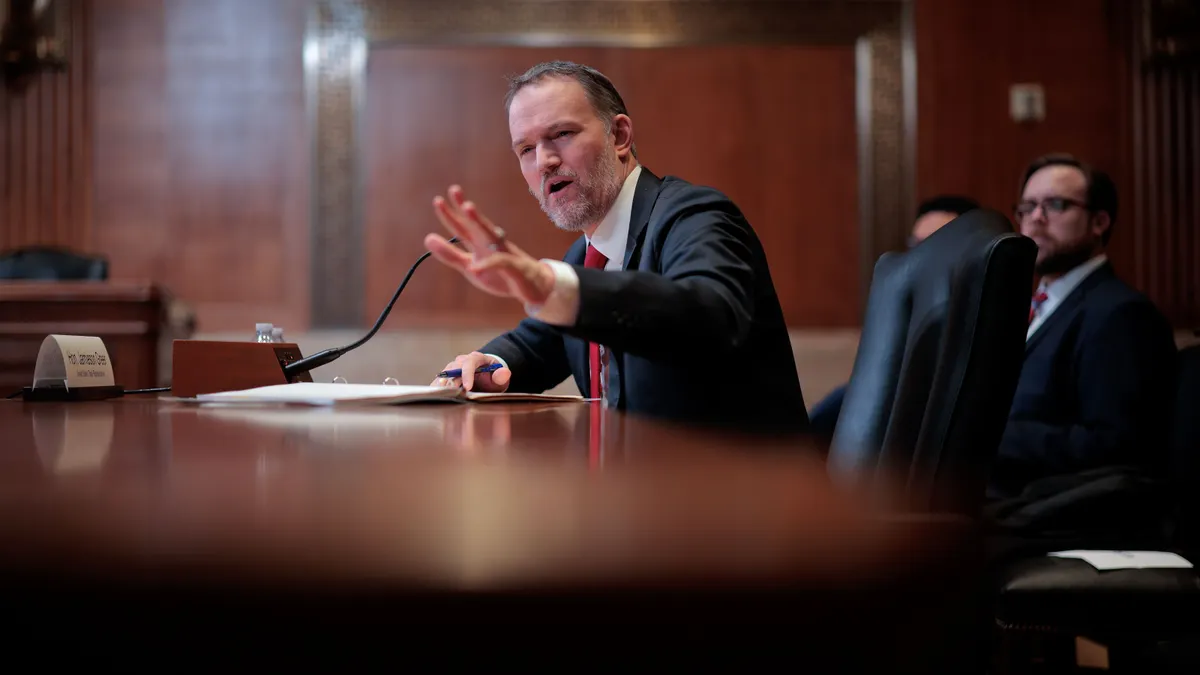
Although the agreements have been signed by government officials, including U.S. Trade Representative Jamieson Greer, each country must now follow its own legal procedures to implement the terms. The deal with El Salvador will go into effect five days after both parties receive written confirmation that those procedures have been completed. The Guatemala pact will go into effect 30 days after notice, while the Argentina accord will go into effect after 60 days.
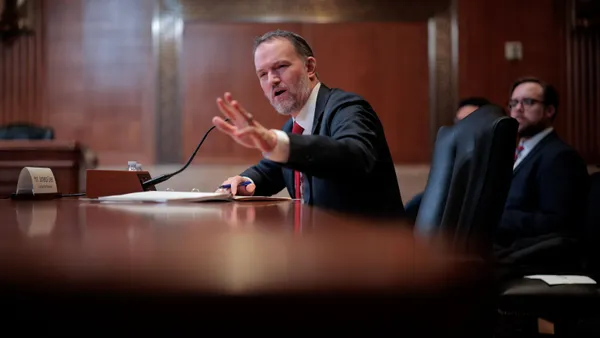
In separate statements, Greer said the signed agreements with El Salvador, Guatemala and Argentina would strengthen the U.S.’ strategic economic ties in the Western Hemisphere, deepen strategic partnerships in Latin America and serve as a model for future economic and security negotiations for countries in the Americas.
There are several distinct differences in each pact, even if many of the terms are the same. For example, per the agreement with Guatemala, if the country enters into a new bilateral free trade agreement with a non-market economy, the U.S. has the right to terminate the pact. No such provision exists in the agreements with El Salvador and Argentina.
Meanwhile, Argentina agreed to allow an annual quota of certain U.S. exports to enter the country duty free, including 10,000 motor vehicles and 80,000 metric tons of beef.
Additionally, while all three agreements feature terms related to stopping tariff avoidance tactics, the El Salvador and Argentina pacts specifically call for the establishment of a duty evasion cooperation agreement with the U.S. within 60 days of the deal’s enforcement.
Representatives from the U.S. will meet with officials from Guatemala and El Salvador within six months after the agreements go into force to evaluate implementation of the deals’ provisions. The agreement with Argentina does not provide a specific review timeline.
The U.S. had a $5 billion trade surplus with Guatemala in 2024 and a $2 billion surplus with El Salvador and Argentina, according to U.S. International Trade Commission data analyzed by Supply Chain Dive. Combined, the countries accounted for less than 1% of U.S. trade that year.
In November, the same month the frameworks with El Salvador, Guatemala and Argentina were unveiled, the Trump administration also struck similar pacts with Ecuador, Switzerland and Liechtenstein, although those have not been signed.
Those framework deals joined similar tariff-related pacts from the U.S. with trading partners such as Japan, South Korea, the European Union and, most recently, India. However, in recent weeks, some of those agreements have come into question.
The European Union this week resumed efforts to fully implement its framework agreement with the U.S. after freezing the deal in response to Trump’s push to annex Greenland. Meanwhile, Trump said he would hike levies on South Korea, claiming the country had not lived up to a framework pact with the U.S.