The U.S. and Taiwan have finalized a trade and investment agreement that caps Section 232 tariff rates on specified imports from Taiwan at 15%, according to the U.S. Commerce Department.
The U.S. locked in the rate cap on Section 232 tariffs on certain Taiwan automobile parts, timber, lumber and related wood products, along with some aircraft parts containing steel, aluminum or copper, per the document published May 28. The tariff changes are retroactive to May 1.
The finalized agreement is narrowly focused on Section 232 tariffs, as outlined in a January framework accord with Taiwan. That pact also listed zero percent reciprocal tariffs on generic pharmaceuticals and their ingredients, and unavailable natural resources, none of which are covered in the May 28 document.
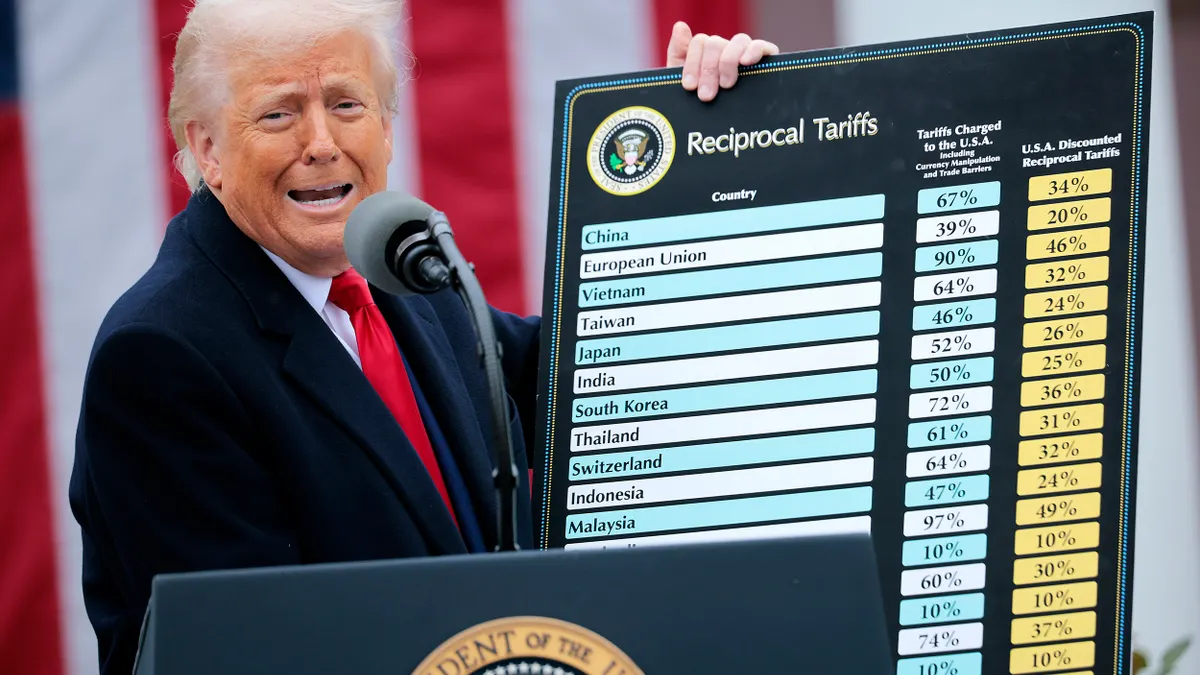
The latest pact is the U.S. administration’s response to the Supreme Court’s February ruling that invalidated country-specific tariffs imposed by President Donald Trump in 2025, said Greg Husisian, partner and chair of Foley & Lardner’s International Trade and National Security Practice. Taiwan goods were subject to 20% reciprocal tariffs when the initial agreement framework was released in January.
"In response, the administration has been using other trade laws, such as Section 232 and Section 301, to keep tariff pressure in place," Husisian said in an email to Supply Chain Dive. "The latest Taiwan adjustments fine-tune those tariffs while preserving the 15% ceiling agreed to in the bilateral deal."
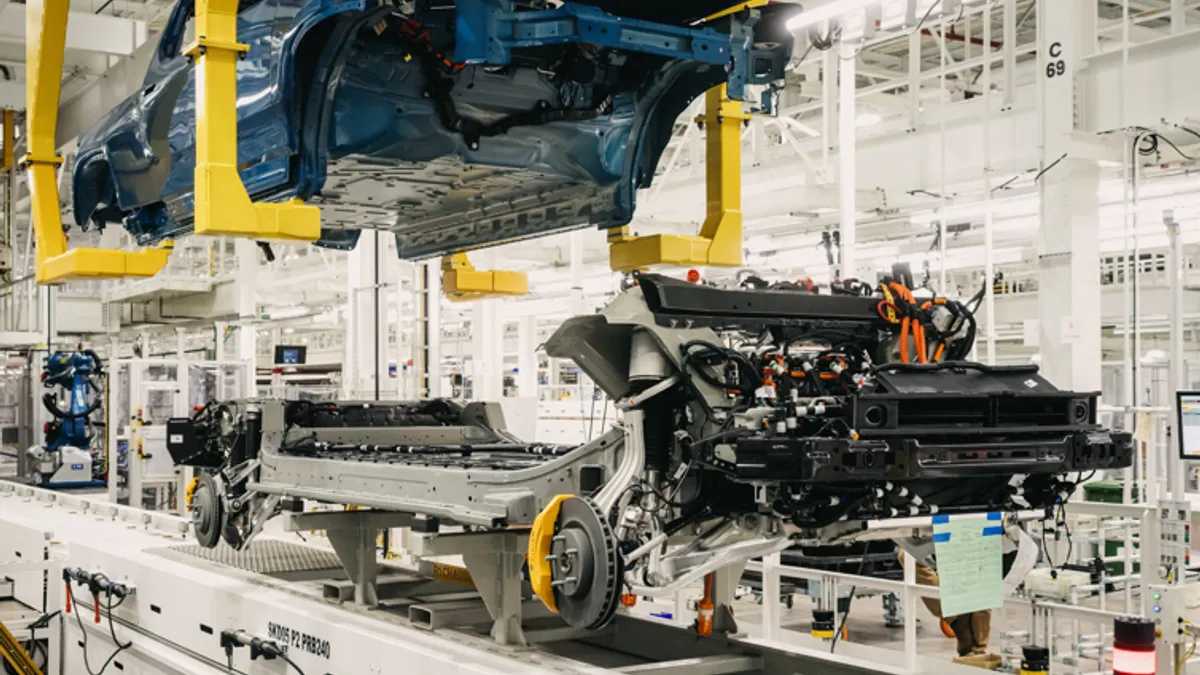
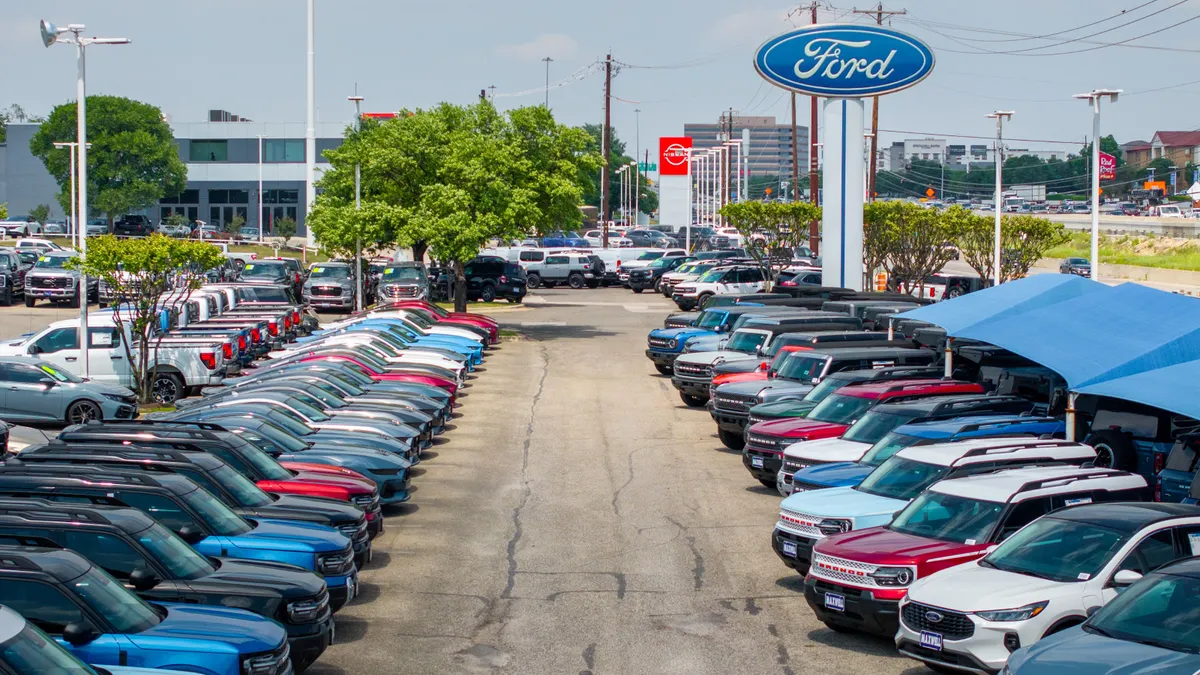
The latest Commerce Department document applies the tariff ceiling on auto parts for qualifying passenger vehicles and light trucks. If the normal tariff is 15% or higher, there will be no additional Section 232 surcharge.
If the regular tariff is below 15%, the U.S. will apply a Section 232 add-on, bringing the combined rate to the cap.
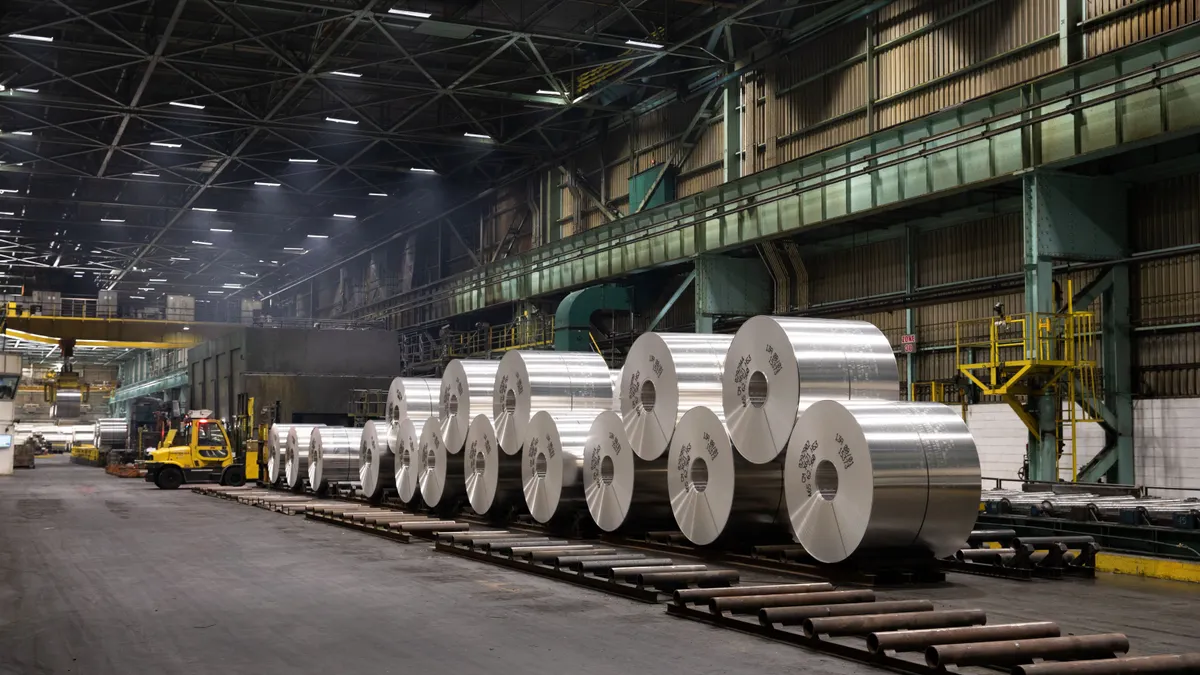
Regarding aircraft components, the U.S. agreed to stop applying additional Section 232 derivative tariffs on steel, aluminum and copper to certain non-military components from Taiwan. The components cover a broad range of machinery and equipment, including hydraulic equipment, compressors, heat exchangers, transformers, and electrical apparatus used in aircraft assembly, according to digital freight forwarder Flexport in its Global Logistics Update.
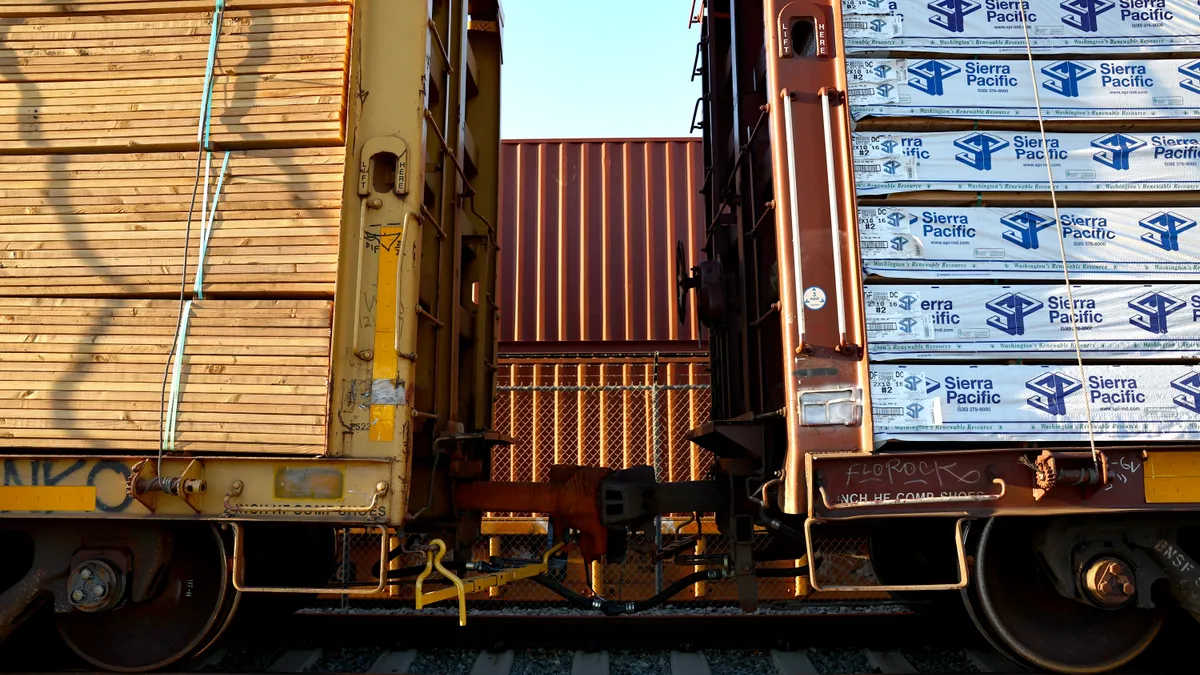
The flat 15% levy on covered wood products applies to products that otherwise qualify for a lower or zero rate under a free trade agreement or preference program, per the Commerce Department. Importers cannot use such programs to reduce the tariff to below 15%.
Also, regular trade remedies, such as antidumping and countervailing duties, still apply in addition to the 15%, according to the document.
The notice describes Taiwan's side of the deal as agreeing to facilitate U.S. investment in the country's semiconductor, artificial intelligence, defense technology, telecommunications and biotechnology industries. Also, Taiwan chip and technology firms will make $250 billion in new direct investments in the U.S. in advanced semiconductor, energy, and AI production.