Editor’s note: This story is part of an interview series highlighting women — who make up 40% of the supply chain workforce — shaping logistics, procurement and operations.
The supply chain industry has evolved considerably as companies prioritize mentorship opportunities, employee development training and resource groups to cultivate workplace inclusivity and diversity, according to PepsiCo SVP of Field Supply Chain Darcy Arata.
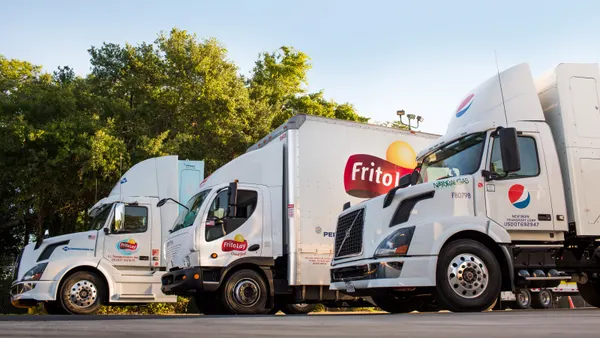
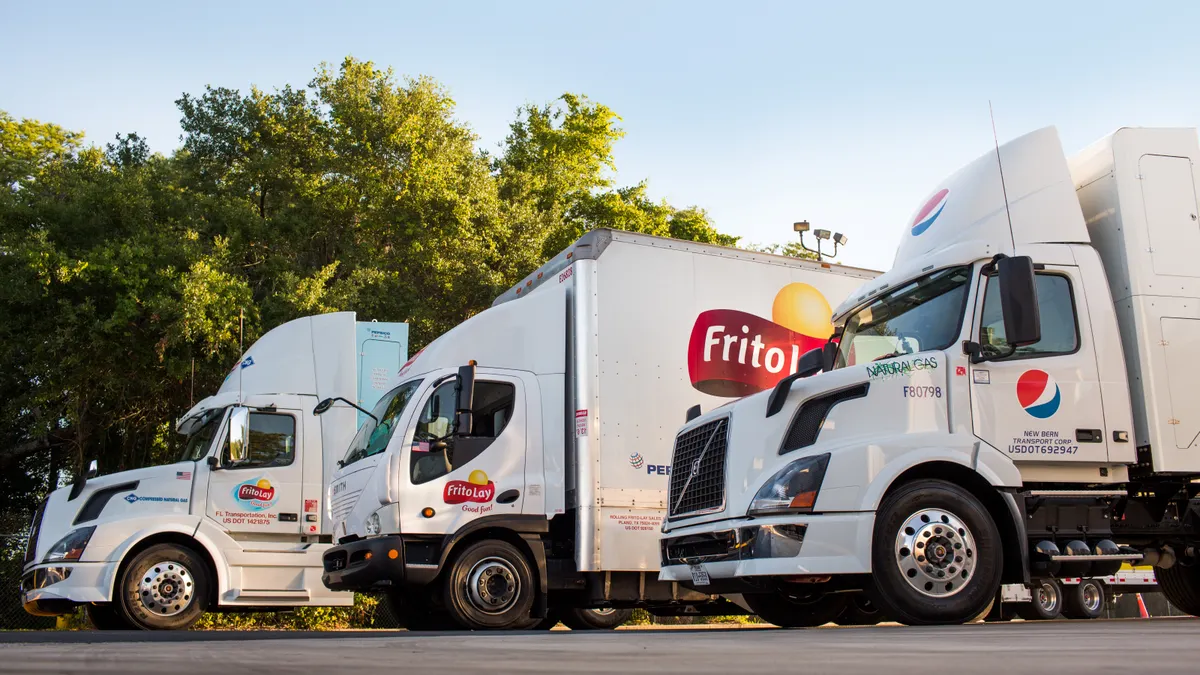
Arata started her career at PepsiCo out of college in 2001. Now, she leads the field supply chain for PepsiCo Foods U.S. where she drives manufacturing and fulfillment operations performance for Frito-Lay, Quaker and Sabra brands.

Throughout the course of her 25 years at the food and beverage giant, Arata has led productivity initiatives through automation and digitalization to support large-scale transformation, all while focusing on improving employee engagement and retention.
“My biggest achievements at PepsiCo center on mentoring and developing talent and delivering lasting business impact,” she said.
Supply Chain Dive spoke to Arata to learn more about her supply chain career and how the industry can continue to foster and support inclusivity. Here’s what she said:
SUPPLY CHAIN DIVE: What inspired you to pursue a career in the supply chain industry and what did your support system look like as you navigated the industry?
DARCY ARATA: I was studying business administration in college, and during my senior year, I took an operations management class that was supply chain-based. I absolutely fell in love with it — the business cases, the problem-solving, and the focus on continuous improvement were all incredibly exciting to me. I found myself spending extra time with my professor, reading more than required, and genuinely enjoying the work.
At first, my support system was limited; my professor provided some mentorship, but it wasn’t until I joined the industry that I found strong mentors who helped me understand the business and navigate my career.
How is the industry evolving in terms of inclusivity and training?
The industry has evolved significantly. Today, there’s far greater awareness of what supply chain management offers as a career path. Many organizations now provide formal mentorship, employee development training, and active employee resource groups that foster inclusivity and connection.
How can industry leaders support efforts to promote inclusion in the workplace?
Leaders play a critical role in fostering inclusive cultures, removing barriers, and supporting their people. Listening to employees, understanding what they need, and making thoughtful adjustments to help them succeed are equally important. These actions create a more inclusive, supportive, and empowered workplace.
If you could go back in time and give yourself career advice, what would you say?
I would tell myself to take more risks. Some of my greatest learnings have come from failures, and I wish I’d been more willing to step outside my comfort zone earlier in my career.