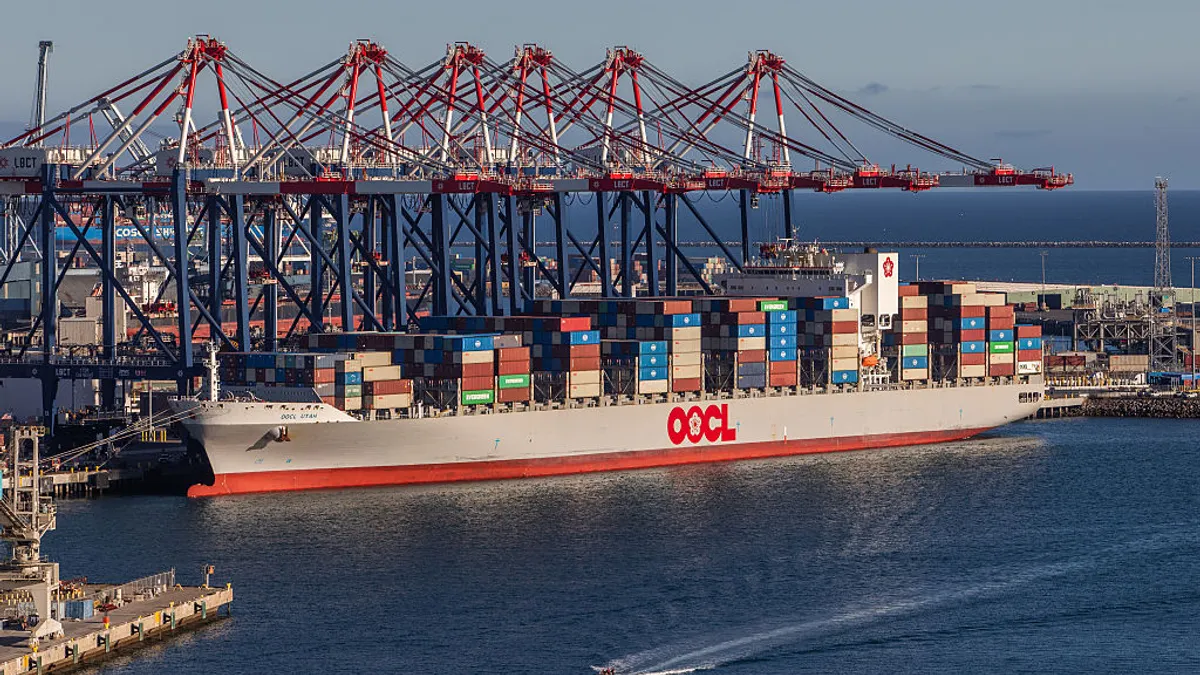
Shippers are working with carriers to navigate surcharges spurred by the Iran war, National Retail Federation VP of Supply Chain and Customs Policy Jonathan Gold said during a Port of Long Beach press briefing last week.
As shippers and carriers look to finalize ocean shipping contracts, the Iran conflict is weighing on some of those negotiations, Gold said.
“Many have these situations spelled out in their annual contracts, so they're working through those issues,” he said.
Shippers have been grappling with uncertainty and higher costs amid the Iran war and the closure of the Strait of Hormuz — a major waterway for transporting global oil supply. Although import volumes at major U.S. container ports have yet to be significantly affected by the Iran conflict, carriers are seeing increases in fuel costs that could impact retailers, Gold said.
“The supply chain is already reacting to rising fuel costs by implementing new surcharges and other cost-saving measures,” Port of Long Beach CEO Noel Hacegaba said during the briefing.
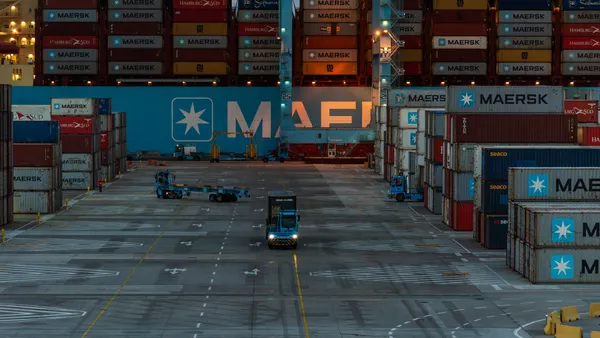
Ocean carriers such as MSC, CMA CGM, Ocean Network Express and Maersk have already started implementing fuel surcharges and higher rates across various trade lanes, Gold said.
“At the same time, shippers are adjusting how they move cargo to manage costs and avoid congestion,” he added.
However, shippers saw some relief as the Federal Maritime Commission declined several ocean carriers’ requests to implement certain surcharges before the required 30-day notice, according to multiple FMC filings dated March 23.
“We agree that importers and cargo owners need clear information on the scope and purpose of any surcharges, and encourage the FMC to continue to evaluate those potential surcharges that carriers are looking to implement,” Gold said.
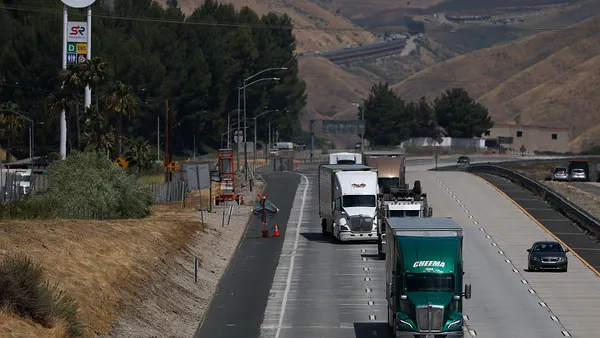
Other transport modes are also battling growing fuel costs, prompting surcharges. Trucking fuel surcharges, for instance, are up 25%, Gold said at the time of the briefing.
The Harbor Trucking Association said that some of these fuel surcharges “may be preventing some local motor carriers from recovering costs and they continue to move goods through the San Pedro Bay ports complex,” according to Hacegaba.
FedEx and UPS have also implemented higher fuel surcharges and rate increases, setting a record-high quarter for ground delivery costs. On the air freight side, an increase in jet fuel prices pushed rates from Northeast and Southeast Asia to North America up by mid-to-high double digits.
Editor's note: This story was first published in our Logistics Weekly newsletter. Sign up here.