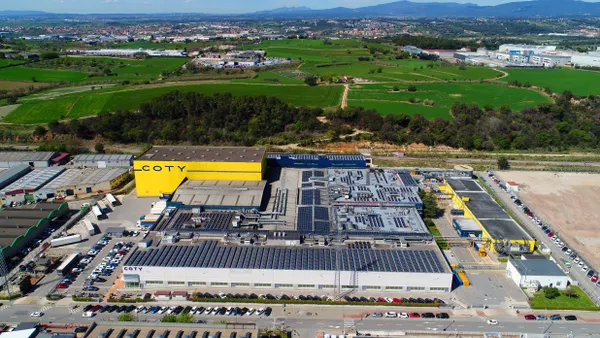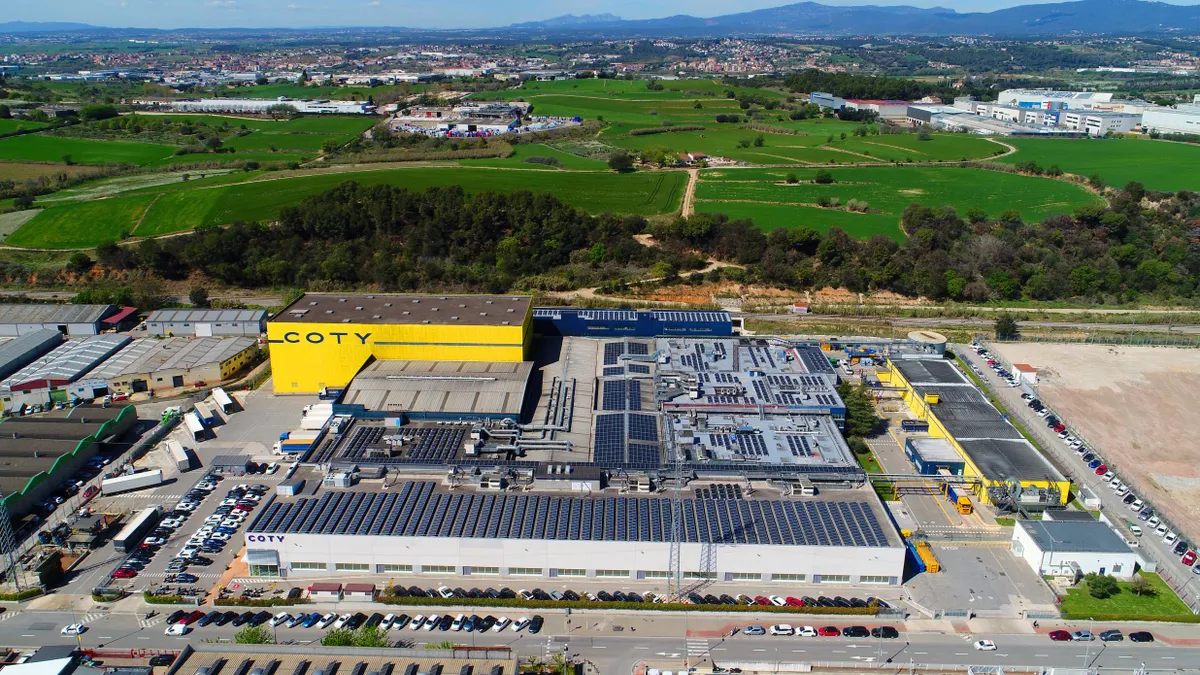
Coty is changing how it transports its products by reducing reliance on air freight and using lower-emissions transport and logistics options, according to its fiscal year 2026 sustainability report.
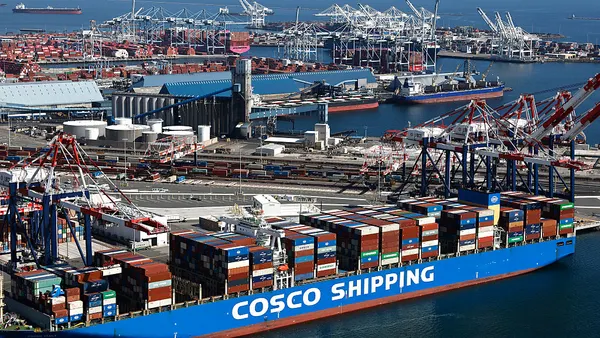
One key initiative Coty is working on is expanding the use of sea and rail freight as the company aims to reduce air freight reliance to as close to zero as possible. Since 2019, the beauty company, which has licensing agreements with Burberry, Tiffany & Co. and Swarovski, has been able to achieve a 48% reduction in air freight but that progress has been met with some challenges.
The company saw a 33% increase of air freight emissions from fiscal year 2025 to 2026 due to global supply chain disruptions. Thanks to its ongoing efforts of shifting volumes to sea and rail transport though, Coty limited the increase and avoided an estimated 3% year-over-year rise in air freight volumes.
Coty is additionally placing emphasis on reducing its road transport emissions — which account for 91% of its total shipped weight — as part of its decarbonization roadmap, per the report.
The global beauty company has also implemented electric vehicles as it seeks to reduce emissions. In fiscal year 2026, Coty implemented three EVs in Goiania, Brazil, for factory-to-distribution center shuttling.
Other initiatives from the company include “improving the utilization rate of our trucks and containers, collaborating with suppliers and logistics partners to accelerate freight innovation,” per the report.
Coty is optimizing route planning and improving truckload efficiency by using EcoTransIT World, a software that can calculate greenhouse gas emissions.
“We leverage EcoTransIT to calculate emissions from the transport activities we manage, which enables accurate accounting and helps us identify targeted reduction opportunities,” according to the report.
Other companies working to reduce their freight emissions include Etsy, Amazon and eBay. These companies joined a pilot to help accelerate the deployment of Class 8 zero-emission trucks. The project so far involves 63 trucks with plans to launch in early 2027.
Editor's note: This story was first published in our Logistics Weekly newsletter. Sign up here.