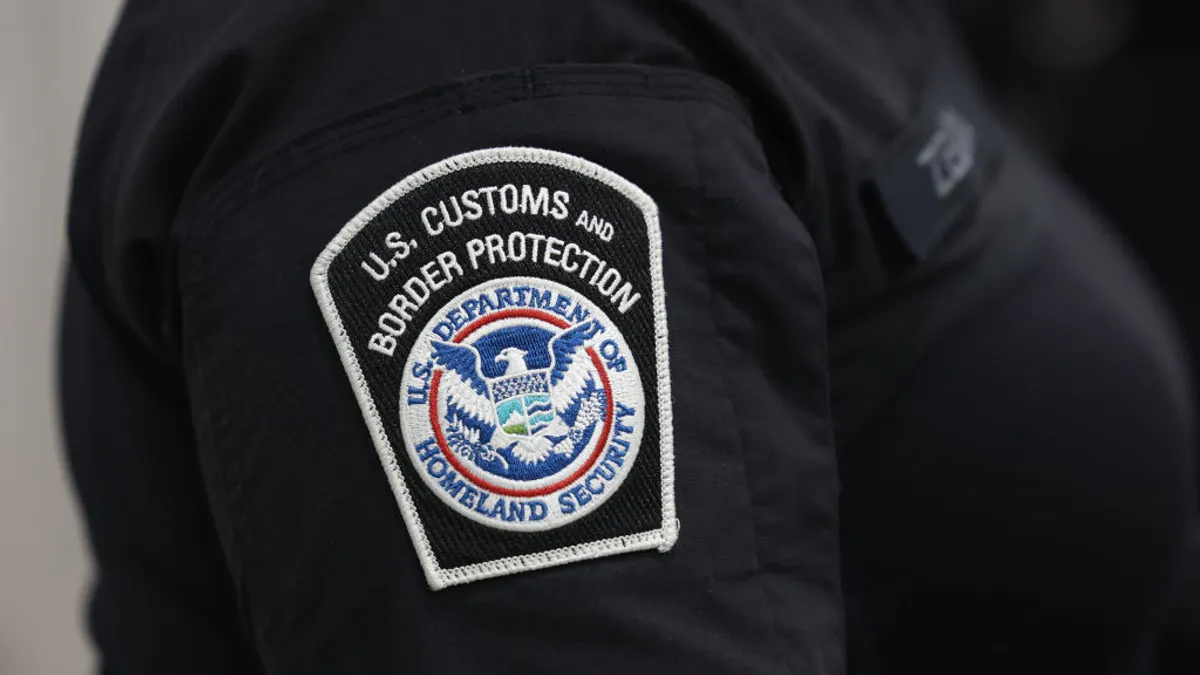
Importers will soon need to provide more detailed information on U.S.-bound mail shipments under new rules issued by Customs and Border Protection, likely leading to more duties collected on postal imports.
The agency on Wednesday published an interim final rule that requires additional data for mail imports valued at $2,500 or less that go through CBP's more streamlined informal entry process. The new requirements include a description of the merchandise, all 10-digit Harmonized Tariff Schedule codes, and the quantity and weight if they affect applicable duties. The information must be sent by the seventh day of the month following the package's arrival.
The bulk of the rule's elements take effect on July 24. The change adds to the Trump administration's efforts to collect more information on packages entering the country and crack down on noncompliant importers. Lower-value imports in particular have been subject to government scrutiny — the White House said it eliminated the de minimis exemption last year to halt drug trafficking and instances of importers avoiding tariffs.
“More data and enhanced entry procedures mean that we can target and intercept high-risk shipments with greater precision,” Diane Sabatino, CBP Office of Field Operations executive assistant commissioner, said in a news release. “The more visibility we have into these shipments, the less dangerous, counterfeit, and illicit goods reach American families.”
Under rules implemented via a February executive order, postal shipments face a duty equal to President Donald Trump's temporary 10% global tariff. The new entry process and requirements will enable CBP to collect all applicable duties, taxes and fees that apply to those imports like it does for non-postal items, per the rule.
CBP estimates the change will lead to a more than $100 million annual increase in duties. At the same time, more duties and added compliance costs for the new data requirements "will result in deadweight loss as some importers decide to import less," the rule says.
The party filing the additional data must be an owner, purchaser or a licensed custom broker. About half of qualified parties are currently brokers, according to the rule. Those working with non-broker qualified parties will need to find a licensed broker instead.
"This change will be an inconvenience to the importers and [foreign postal operators] who do not already have a relationship with a broker, as it will take time to find a broker and perhaps for the [foreign postal operators] to sign a contract with that new party," the rule says.
Additionally, CBP plans to test a new electronic entry process for mail imports, according to a Federal Register notice. The process, called the Entry Type 13 Test, will be available starting Sept. 22 for shipments valued at $2,500 or less, including some imports that would not typically qualify for more streamlined entry procedures offered to goods of that value.
Importers and brokers who participate in the test will submit additional data, such as postal tracking numbers and recipient information, to CBP for improved monitoring and enforcement. The test will be active until an announcement published in the Federal Register signals its conclusion.
"This test is part of a phased approach that will ultimately bring shipments entering via international mail into parity with all other goods being imported into the United States," the CBP news release says.