OTAA, an Australia-based menswear brand, has tapped Cart.com for its U.S. fulfillment needs to save on costs after the end of the de minimis exemption brought forth higher pricing, according to a Nov. 4 press release.
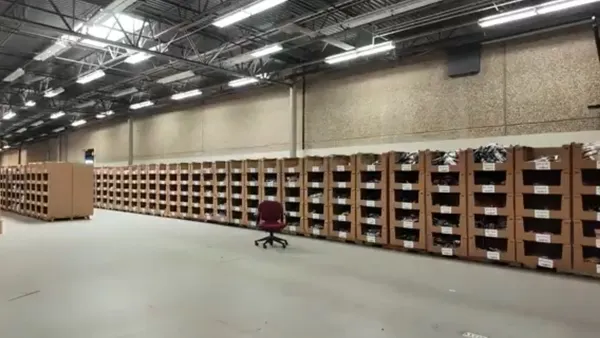
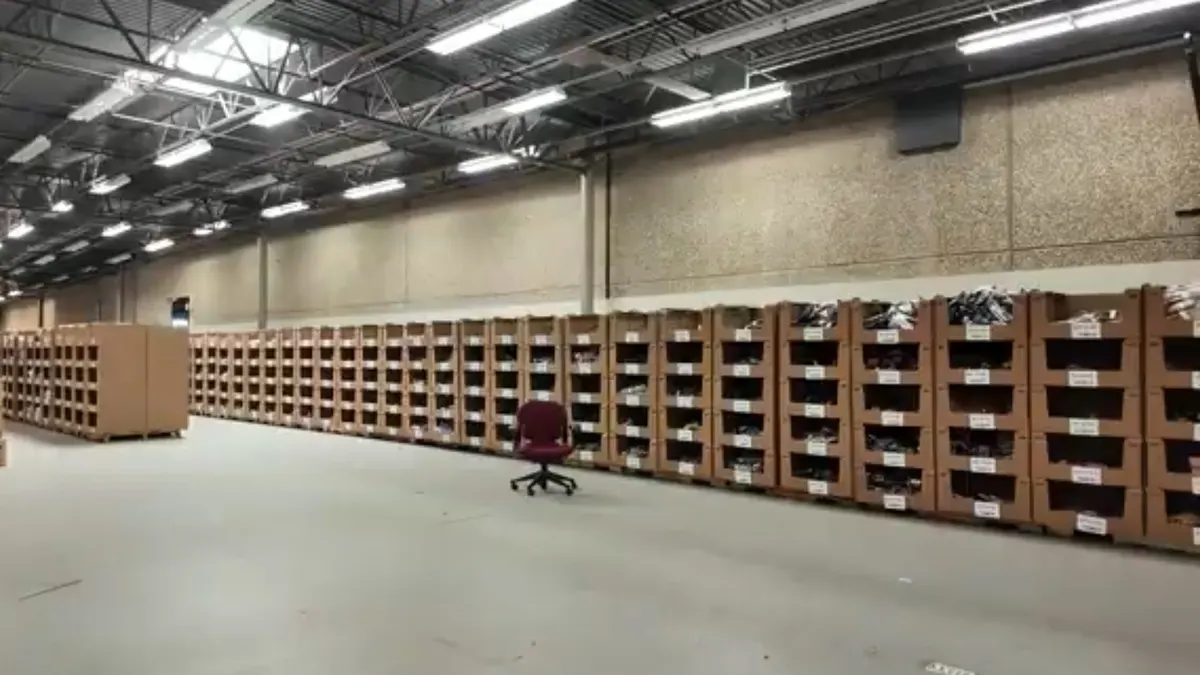
The e-commerce merchant is now fulfilling most of its U.S. orders from Cart.com’s facility in Longview, Texas. OTAA began shipping from Texas in February, giving the company a domestic base in its largest market, which accounts for roughly half its business.
Before it was eliminated by U.S. President Donald Trump last year, the de minimis exemption allowed imports of less than $800 to enter the U.S. duty and tax free. E-commerce merchants were able to leverage the trade tool to ship goods into the U.S. more cost effectively.
“The end of de minimis changes the economics of serving American customers and makes the decision about where to hold inventory much more consequential,” Omair Tariq, founder and CEO of Cart.com, said in a press release. “Brands need a U.S. operation sized to proven demand, with room to expand as the business grows.”
Melbourne-based OTAA is expanding its offerings for U.S. fulfillment in stages, per the release. The brand’s bestsellers — which drive most of OTAA’s U.S. orders — are being brought to the Longview facility. The site stocks about 1,750 styles, a fifth of OTAA’s catalog, with the majority of U.S. orders shipping from there. OTAA has plans to add about 1,000 more styles by the end of the year, with more to come as demand builds out.
“On average, an order shipped from Texas costs OTAA roughly half as much to fulfill and deliver as one sent from Melbourne,” according to the release.
The end of de minimis has driven up shipping costs for several other retailers, including Lululemon, DavidsTea and Aritzia.
Lululemon expected a $240 million profit hit last year from higher duties and no more de minimis, per a 2025 earnings call. Similarly, DavidsTea said it faced higher costs and greater complexity in shipping orders from Canada to the U.S., while Aritzia reported trade-related challenges, noting one-third of its headwinds stemmed from the elimination of de minimis.