Dive Brief:
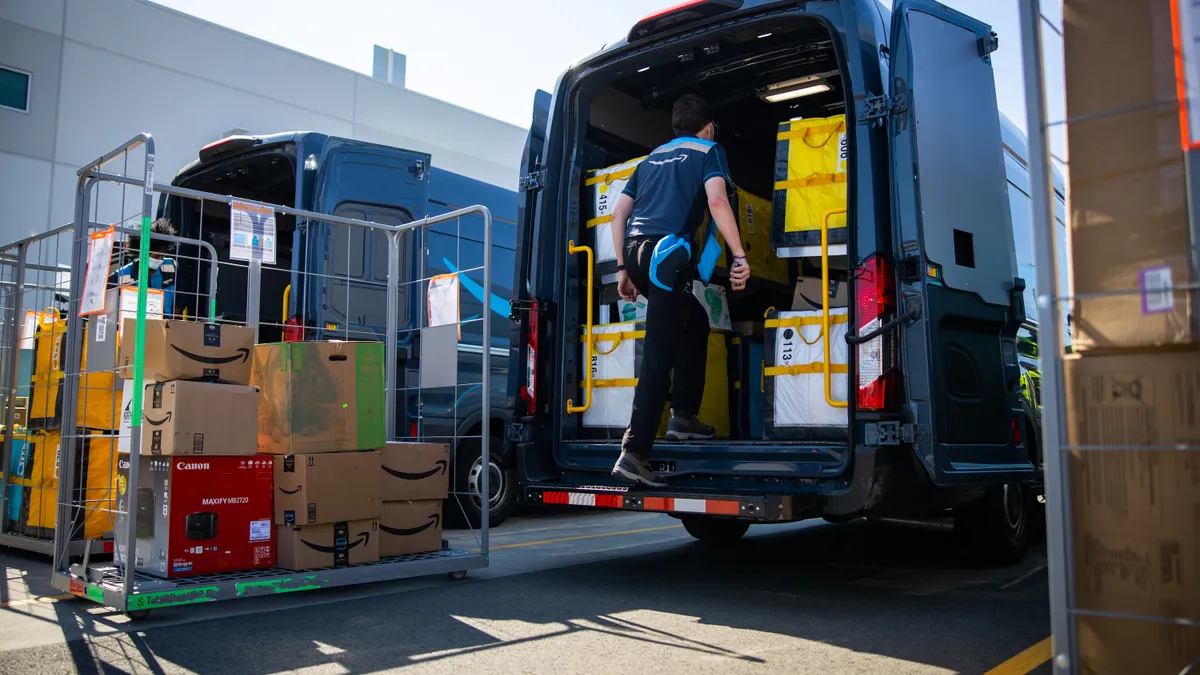
- Amazon is developing a 30,000-square-foot last-mile delivery station in Weatherford, Oklahoma, according to a Dec. 18 emailed press release from the City of Weatherford.
- The facility marks the final stage of Amazon’s fulfillment process, according to the release. The project is expected to break ground in early 2026.
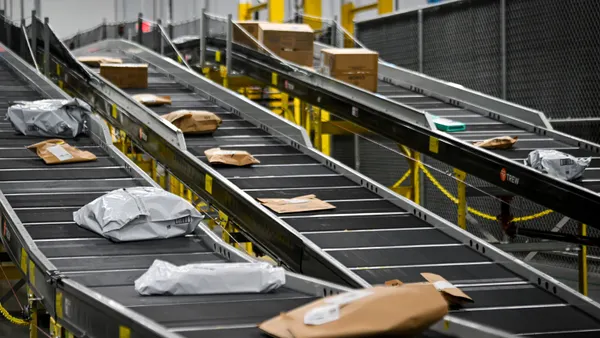
- “Starting at fulfillment and sortation centers, packages will be processed and prepared for last-mile delivery, improving delivery times for customers throughout the region and bringing even faster delivery to more rural communities,” per the release.
Dive Insight:
Earlier this year, Amazon announced plans to invest $4 billion into its U.S. rural delivery network by 2026. The investment aims to drive faster shipping times in less populated areas covered by delivery stations that prepare packages for the last-mile journey. By the end of next year, the e-commerce giant plans to have tripled the footprint of its rural delivery network.
Amazon purchased approximately 10.72 acres in the Weatherford Industrial Trust North Park to build the upcoming Oklahoma facility, which is expected to create 100 new jobs, per the release. The planned facility builds on Amazon’s other investments in the state, totaling more than $7.2 billion since 2010. Since then, the company has created 7,500 full- and part-time jobs in fulfillment, delivery and other roles, as well as an additional 7,000 indirect positions in several industries, including logistics.
The e-commerce giant opened its first rural delivery station in 2020 prior to expanding its small-town delivery network, according to an April 30 blog post by SVP of Amazon Worldwide Operations Udit Madan.
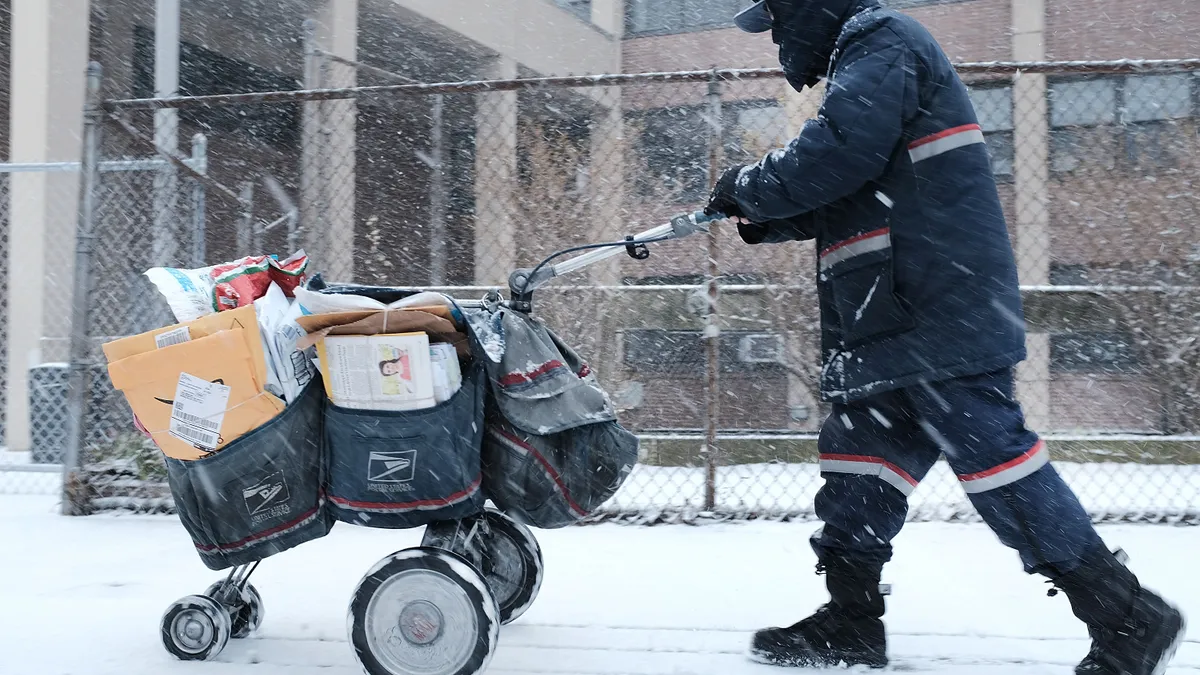
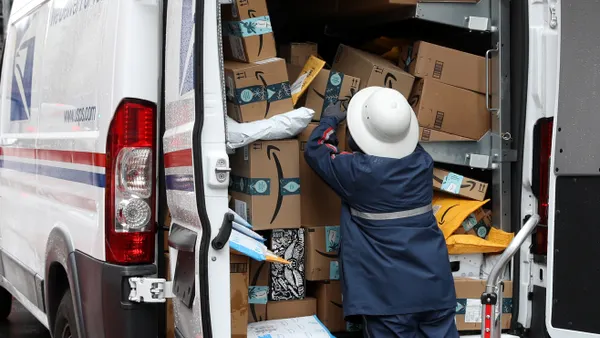
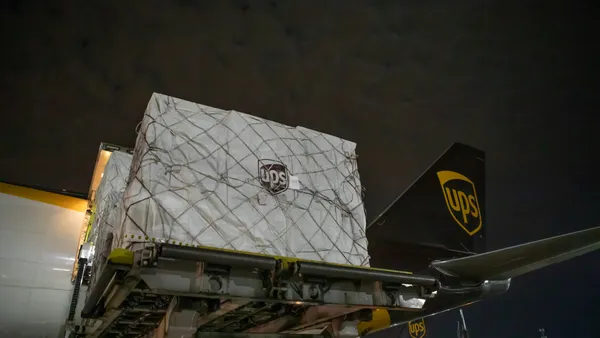
Amazon’s continued focus on building out its last-mile capabilities into rural communities comes as other logistics networks are pushing to reduce costs and increase efficiencies in those coverage areas. Although Amazon does ship some packages through the U.S. Postal Service and UPS for final-mile delivery, both carriers have made network adjustments.
USPS, for instance, is consolidating its dropoff and pickup processes at select rural post offices. UPS, meanwhile, has cut down on the number of days it delivers to certain rural communities.