
Bottom line benefits
Consumers increasingly expect sustainability from the brands they buy, and will reward the brands that they trust. Harvard Business Review recently highlighted research finding that Amazon products marketed as sustainable boosted consumer demand by 13%-14%.1
Every product has a story that stretches from the field to the factory floor to the living room. Here’s how forward-thinking companies can identify emission “hotspots,” and collaborate with suppliers and logistics partners using proven models:
1. Packaging: A material opportunity
Packaging is one of the most visible—and controllable—waste sources in retail.
More than 80% of consumers say they’ll pay more for sustainable packaging, a signal that circular and recyclable designs are no longer niche—they’re table stakes. Meanwhile, Extended Producer Responsibility (EPR) laws in the U.S. and EU are turning packaging waste into a compliance issue as well as a cost issue.
Leading consumer product companies are cutting excess packaging, using recycled and bio-based materials, and planning for reusability—but the real challenge is alignment. Customer expectations, recycling infrastructure, and regulatory standards rarely match up. Companies that innovate gain an edge in efficiency and brand equity alike.
2. Circularity: Reuse, repair and recommerce
The “end of life” phase is no longer the end. Retailers and apparel companies are experimenting with resale, rental, and repair models that extend product lifespan and reduce the need for virgin materials.
Programs like Madewell’s denim take‑back or Patagonia’s Worn Wear prove that circularity builds both loyalty and differentiation. But scaling them requires cross‑functional coordination—from logistics to marketing to reverse supply chain design.
The payoff? A closed‑loop system that cuts waste, prepares for regulation, and strengthens long‑term consumer trust.
3. Freight and logistics: Decarbonizing the middle mile
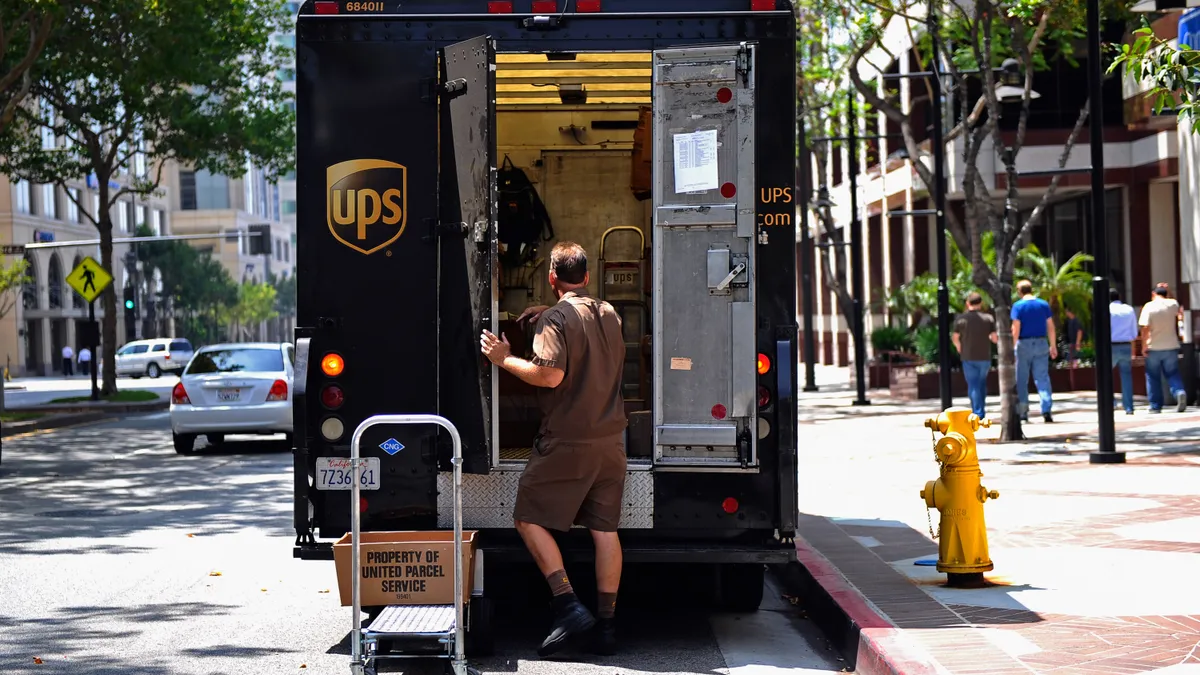
Freight is on track to become one of the highest‑emitting sectors by 2050 if left unchecked. Many companies that move goods rely heavily on third‑party logistics providers—often for short routes under 250 miles, which makes electrification feasible today.
Alternative‑fuel trucks and optimized routing are already cutting emissions and lowering total cost of ownership over an asset’s life. The key is strategic collaboration: building transparency and shared goals with logistics partners to accelerate adoption of low‑carbon transport solutions.
4. Supplier manufacturing: The renewable energy lever
Companies source from thousands of factories for their products, many still powered by coal or gas. Helping suppliers transition to renewable energy is one of the most immediate ways to drive measurable results.
Coalitions of buyers are pooling purchasing power to fund solar projects, renewable power purchase agreements (PPAs), and region‑specific clean energy solutions. Some brands are sharing tools and financing to help suppliers assess and cut emissions themselves.
The barriers—policy, cost, and infrastructure—are real. But collective action is lowering those barriers, especially in emerging markets where energy transitions can deliver the biggest impact.
5. High‑impact commodities: From farms to frameworks
Agricultural commodities—cotton, cocoa, beef, dairy—are major emission sources for food and apparel retailers. These commodities represent the greatest emission challenges and opportunities in supply chains.
Partnerships like Walmart and PepsiCo’s regenerative agriculture initiative show what’s possible: targeting more than 2 million acres of farmland and cutting 4 million metric tons of GHG emissions by 2030.
Progress here relies on traceability, data sharing, and investment in farmer‑level programs—a blueprint for collaboration that integrates sustainability directly into sourcing strategy.
Making it happen: where aspirations become results
Creating sustainable supply chains enhances consumer trust and builds resilience for the future. Companies and their supply chain leaders can utilize EDF’s Net Zero Action Accelerator to turn data into actionable strategies that deliver business and environmental results. EDF has worked with one out of three Fortune 100 companies to find sustainability solutions and designed an e-learning course to upskill talent in supply chains.
Subscribe to the NZAA newsletter to get monthly updates on sustainability protips that help your company deliver for consumers, the planet and the bottom line.
1Harvard Business Review, June 2025, Products Marketed as Sustainable Sell Better
.