
It starts with a gift that doesn’t arrive on time. Maybe it’s a bike for a birthday, a kitchen gadget for a housewarming or a kayak ordered online on Cyber Monday. The customer checks the tracking page, waits another day, then fires off a “Where’s my order?” email. Multiply that by thousands, and the issue becomes clear.
Failed deliveries and returns don’t just frustrate customers. They drain profits through replacements, refunds and repeat deliveries. Consider a retailer that delivers 20,000 orders annually. If a quarter of those are replaced, and each replacement costs roughly $25, including product and delivery, that’s about $125,000 in losses before considering reshipping, customer service time or lost loyalty.
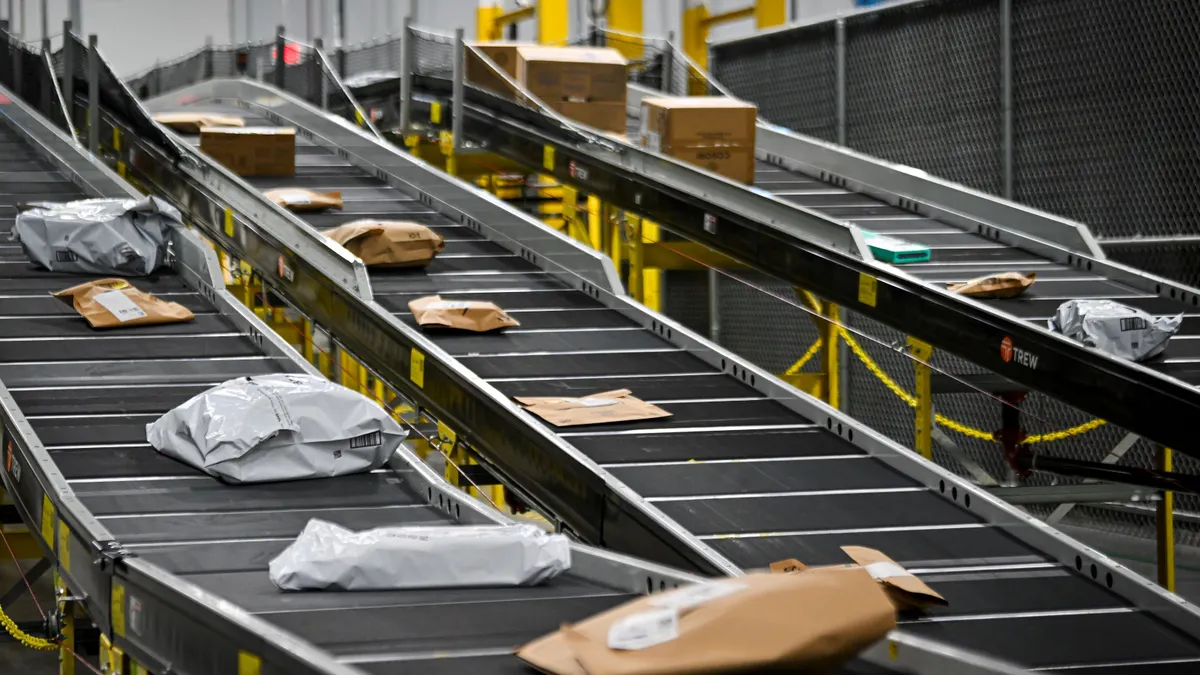
When order volumes spike, even minor mistakes can multiply. Missed handoffs, incorrect addresses and damaged goods all point to the same problem: too many orders heading back the way they came. This cycle is a quiet profit killer that can turn a strong season into a costly one.
When packages play hard to get
As the holidays are here, it’s as crucial as ever to maintain on-time deliveries. Big and bulky items, such as TVs and furniture, tend to face the most delays, while smaller products move faster. High-value orders that require signatures may pose another challenge because they can’t be left unattended and are more likely to get rescheduled or held for pickup.
Every missed delivery represents an extra trip, extended timelines and added strain on delivery schedules. And while chances for missed handoffs are part of the reality of modern delivery, the real question is how companies can avoid — and worst case, recover — from them.
The high cost of delivery mistakes
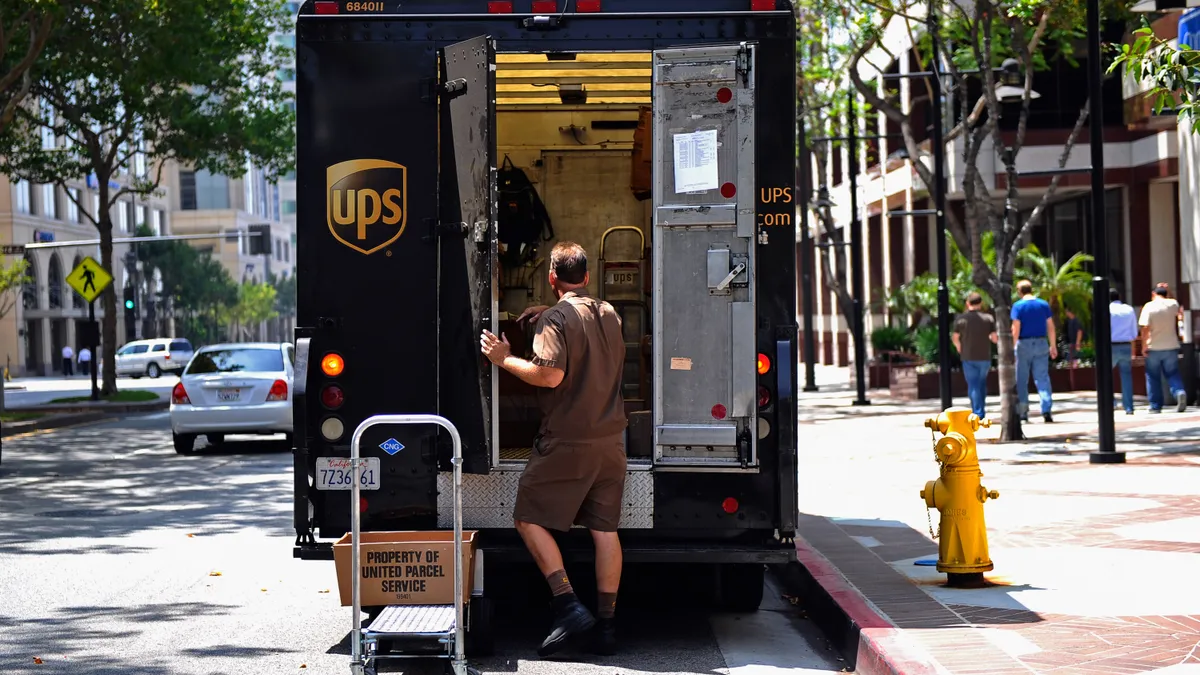
A failed first delivery means another trip, more driver time and another round of customer inquiries. “First-attempt delivery efficiency is critical,” says Dennis Moon, COO and SVP of Operations at Roadie. “Every extra trip adds time and cost. For retailers, it also means more calls, more emails and more customer follow-ups that pull staff away from other priorities.”
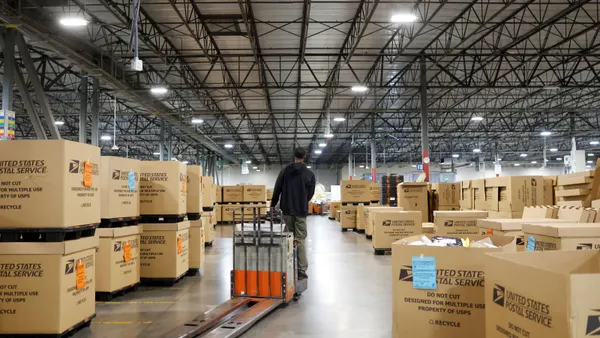
Those extra minutes add up across thousands of deliveries. While teams are busy keeping up with demand, returns still need attention. Retailers that handle deliveries well plan for more than just volume; they’re ready to pivot, add capacity quickly, and address problems before they turn into backlogs. Getting deliveries right the first time keeps customers happy and revenue in the books, not the return pile.
Smart planning, flexible networks
Customer loyalty is hard-won year-round, keeping expectations sky-high. Roadie’s combination of real-time visibility and flexible, local same-day delivery helps retailers keep orders moving and customers satisfied. “As long as the product’s available, Roadie gives you the tools to fix any delay on the delivery side,” Moon says. “That’s where flexibility really pays off.”
Moon also advises companies to revisit pre-peak forecasts and adjust as needed, as demand shifts and new opportunities emerge. “Even with a rock-solid peak plan, things change,” Moon says. “A little tweak here and a pivot there go a long way when demand starts to surge.”
Want to see how flexible local delivery can keep your network moving? Click here to learn more about Roadie’s delivery solutions.