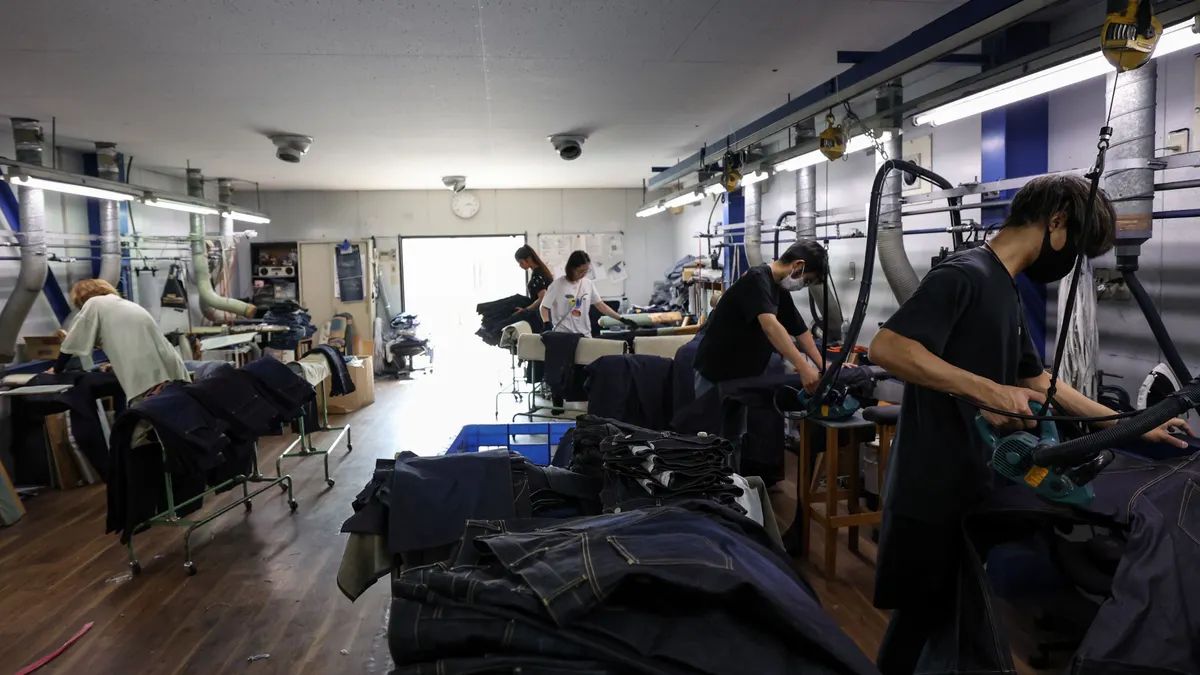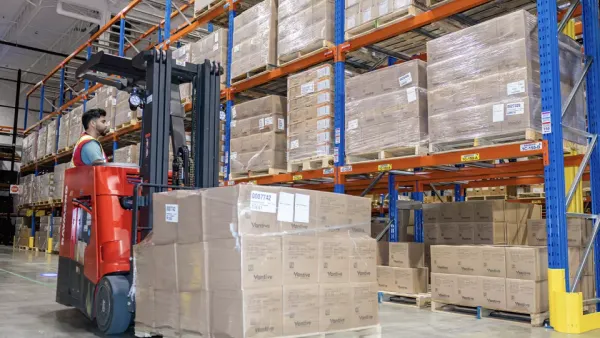

As global supply chains grow more complex, companies are under increasing pressure to ensure that working conditions are safe, fair and meet global standards and stakeholder expectations.
Among the key social risks that companies continue to face, excessive working hours remain one of the most persistent to address. Last year, 80% of amfori BSCI-audited factories failed to meet working hours requirements globally.
Understanding why long hours occur, how they affect workers’ well-being, working conditions and business performance and how to prioritise improvements is key to building a strong risk management approach.
Understanding the challenge of excessive working hours
To start, it is important to understand what excessive working hours actually mean. This goes beyond a simple compliance threshold and requires looking at the broader social and operational context in which factories operate.
The human impact
Excessive working hours affect workers’ physical and mental well-being. Prolonged working hours, common in several sourcing countries, are linked to fatigue, poor health outcomes and an inability to participate in family or community life.
Persistently high overtime also constitutes a forced labour risk according to the ILO, making it a risk companies cannot ignore.
The business impact
The effects are not limited to people. They have measurable consequences for business performance:
- Productivity declines sharply after the eighth or ninth hour of the workday.
- Quality and error rates worsen during long shifts.
- Higher risk of OHS accidents due to worker fatigue and reduced alertness.
- Retention drops, creating a cycle where inexperienced workers reduce efficiency, prompting even longer hours.
In short, long working hours are neither sustainable for workers nor efficient for production.
Why excessive overtime happens
Reducing long hours requires understanding the underlying drivers, which generally fall into three categories: buyer practices, factory operations and the role of sourcing intermediaries. At the core, these challenges are linked to a lack of responsible purchasing practices, which creates the conditions where long hours become the norm.
The following factors are common in many industries and often arise simply from the fast pace and complexity of global supply chains:
- Capacity planning can be challenging, especially when order volumes or timelines change at short notice, leading to pressure during peak periods.
- Component availability can shorten production windows.
- Communication delays, especially across time zones and languages, may create timing constraints that suppliers need to absorb.
Using data to identify priorities
To understand the true extent of working hours throughout the supply chain, it is essential to analyse them on a weekly basis. Standardising this information across all sourcing countries enables businesses to compare suppliers consistently, highlight where working hours are highest and identify the sites needing action.
This prioritisation is essential, especially when resources to address issues are limited.
How to address overtime in global supply chains
Social compliance audits provide essential on-site visibility to detect issues such as excessive working hours and help companies make confident sourcing decisions.
For example, the amfori BSCI audit report details information such as:
- The legal overtime limit per month and per week for the country in scope
- The maximum weekly overtime hours for the sampled months
- The highest number of overtime hours per worker in the samples
- How working hours are managed
- How the policies and procedures are implemented according to international, local and amfori BSCI requirements
With this information, you will be able to identify risks in your supply chain and support your suppliers in addressing excessive overtime practices.