Dive Brief:
- Tyson Foods said value-added products and operational efficiencies across production facilities have helped it contend with fewer hogs and record-low cattle supplies in FY25.
- The food manufacturer’s efforts to address reduced beef and pork availability were particularly effective for its prepared foods segment, where it set its highest fill rates since 2013, COO Devin Cole said in a Nov. 10 earnings call.
- "In our beef and pork segments, we are increasing yield and revenue by developing more value-added products such as seasoned, marinated and specialty trimmed cuts using portions that were previously undervalued," CEO and Director Donnie King added.
Dive Insight:
Tyson executives emphasized yield improvements and plant and production efficiencies as levers to manage beef, pork and chicken supplies. “Our multi-protein, multichannel portfolio combined with our team's focus on operational execution in a dynamic macro environment continues to deliver results," CFO Curt Calaway said.
However, the beef segment remained the company's "only soft spot," King said, noting that the company expects cattle supplies to remain tight into 2026.
Tyson and other major meatpackers are navigating smaller U.S. cattle herds due to drought, cattle producers holding back heifers to rebuild stock, and the resurgence of a flesh-eating pest in Mexico known as the New World screwworm.
“Despite continued headwinds, we are focused on the pieces we can control like shifting further processing volumes back into our harvest facilities and tools to increase our ability to adapt to changing market dynamics," Cole told investors on the Nov. 10 earnings call.
Amid the multi-pronged disruption, Tyson reported on Nov. 21 that it planned to close a beef processing plant in Lexington, Nebraska, and reduce production at its Amarillo, Texas, beef facility.
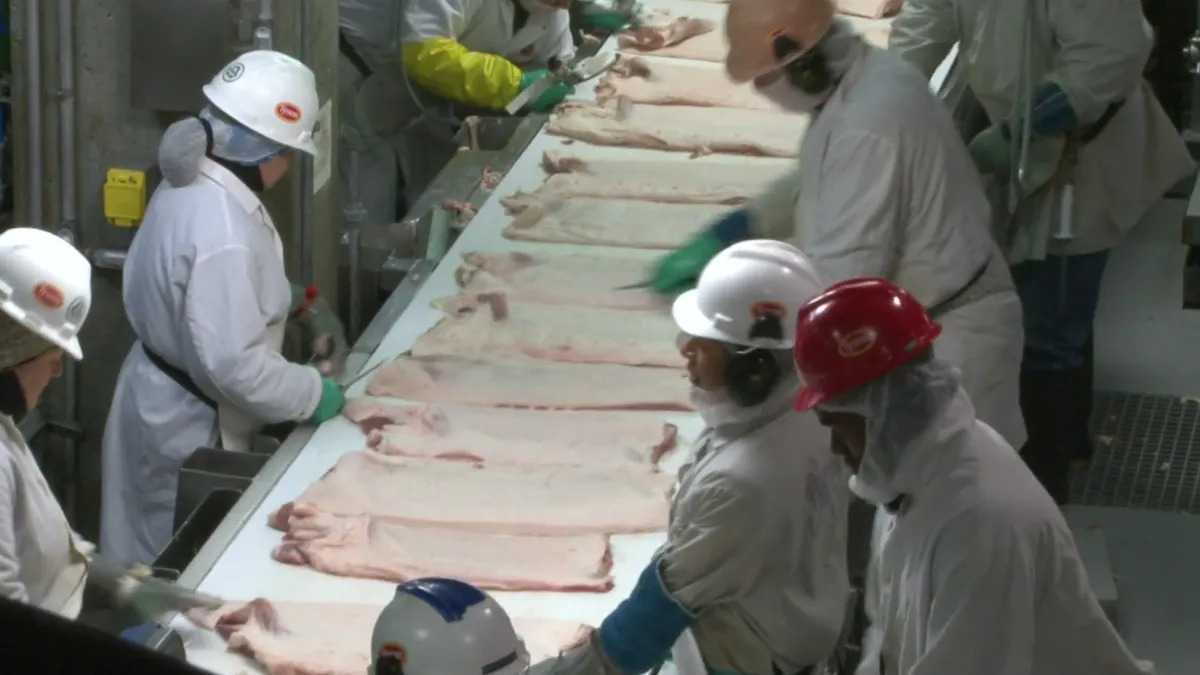
Meanwhile, by raising prices, Tyson offset a Q4 reduction in pork sales due to fewer hogs harvested during the fiscal year ending in late September, Cole said. The company also sought to maximize its pork supply by using it in its prepared foods division, including pork bellies for bacon, hams for lunch meat and trimmings for sausage.
"We will continue to push for higher utilization as it will improve access, quality and landed cost of our raw materials,” Cole said.
Editor’s note: This story was first published in our Procurement Weekly newsletter. Sign up here.