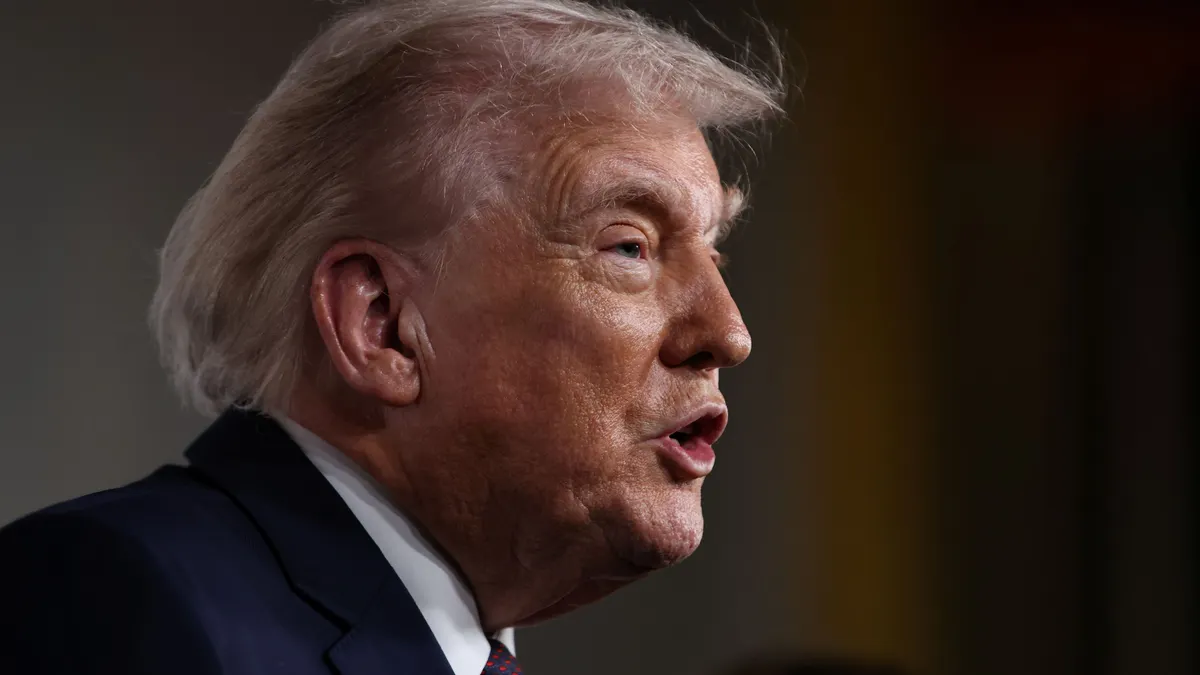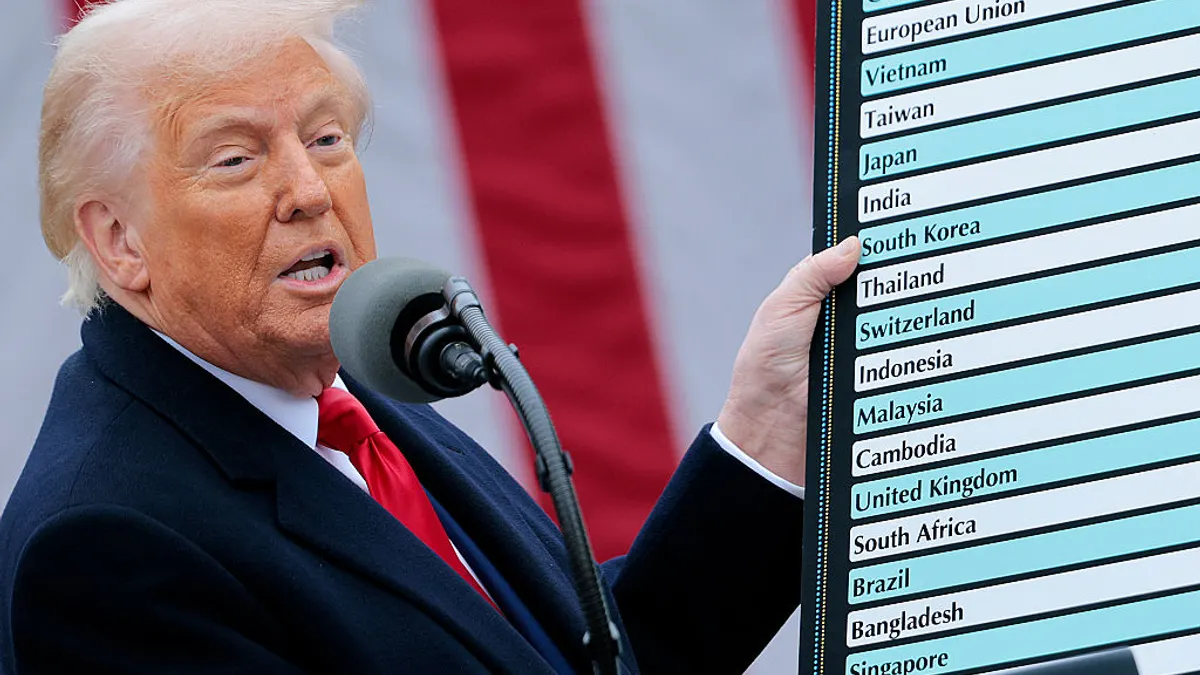
U.S. trade policy is rapidly changing under President Donald Trump.
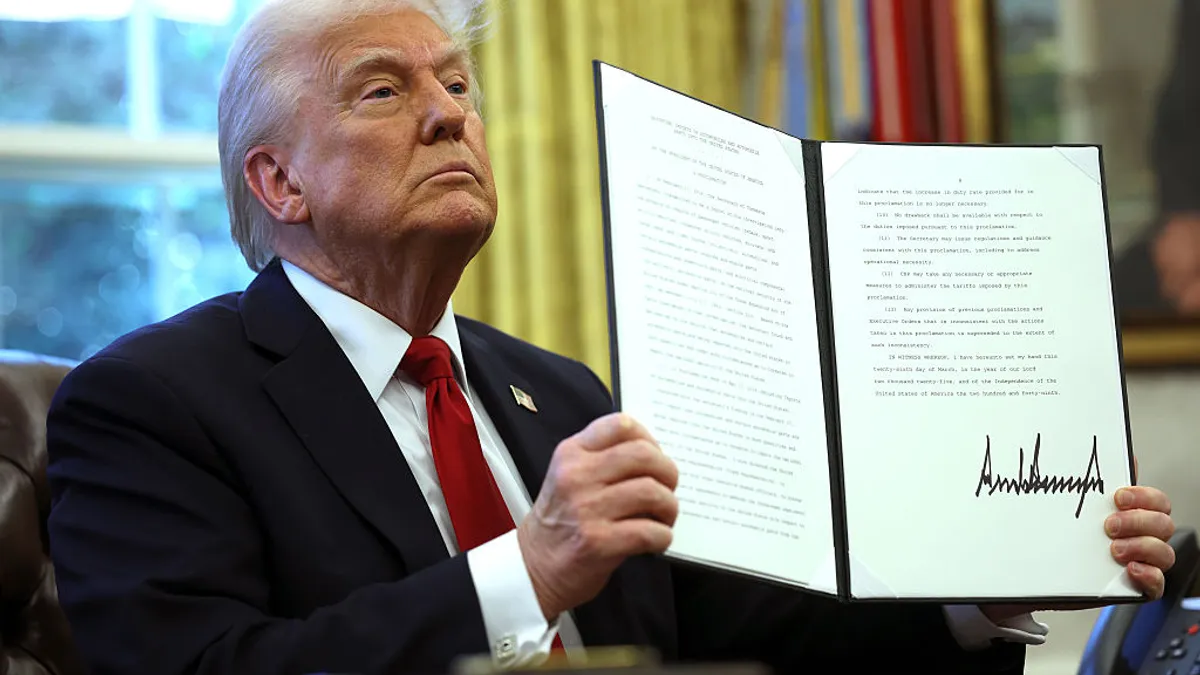
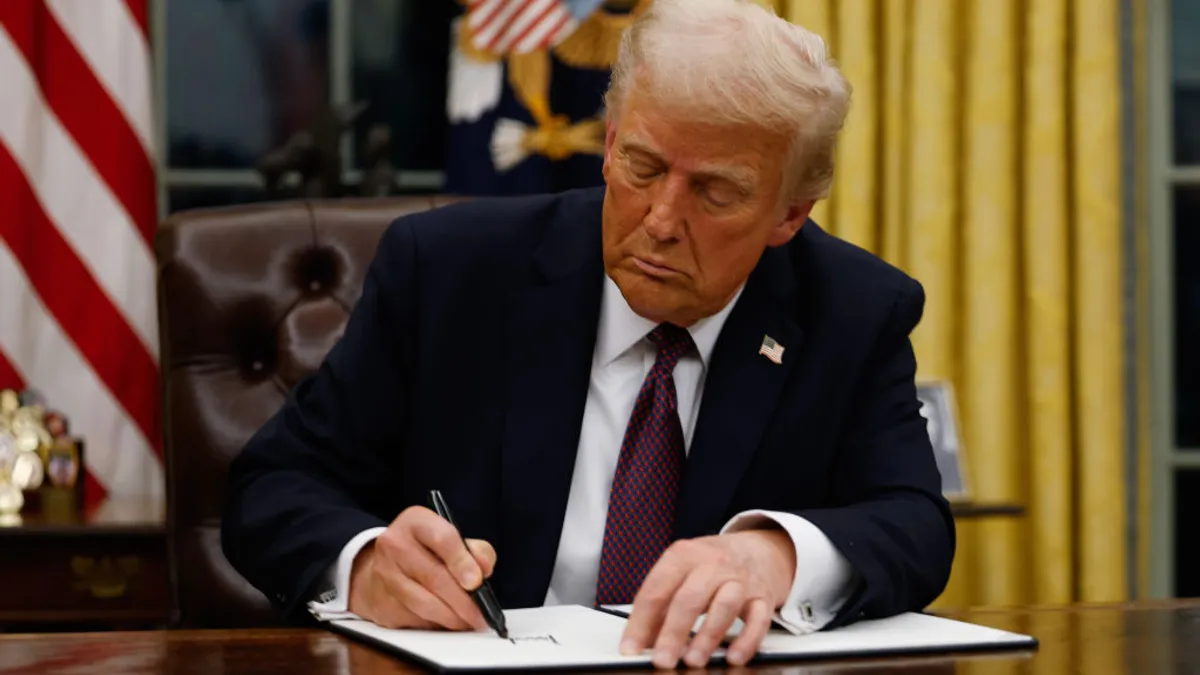
Trump has signed multiple executive orders enacting higher levies and initiated multiple trade reviews since returning to office in last January, building on actions from his first term. Along the way, the administration has frequently shifted the goalposts for some tariff threats, spurring confusion among businesses and foreign governments alike as to the policy.
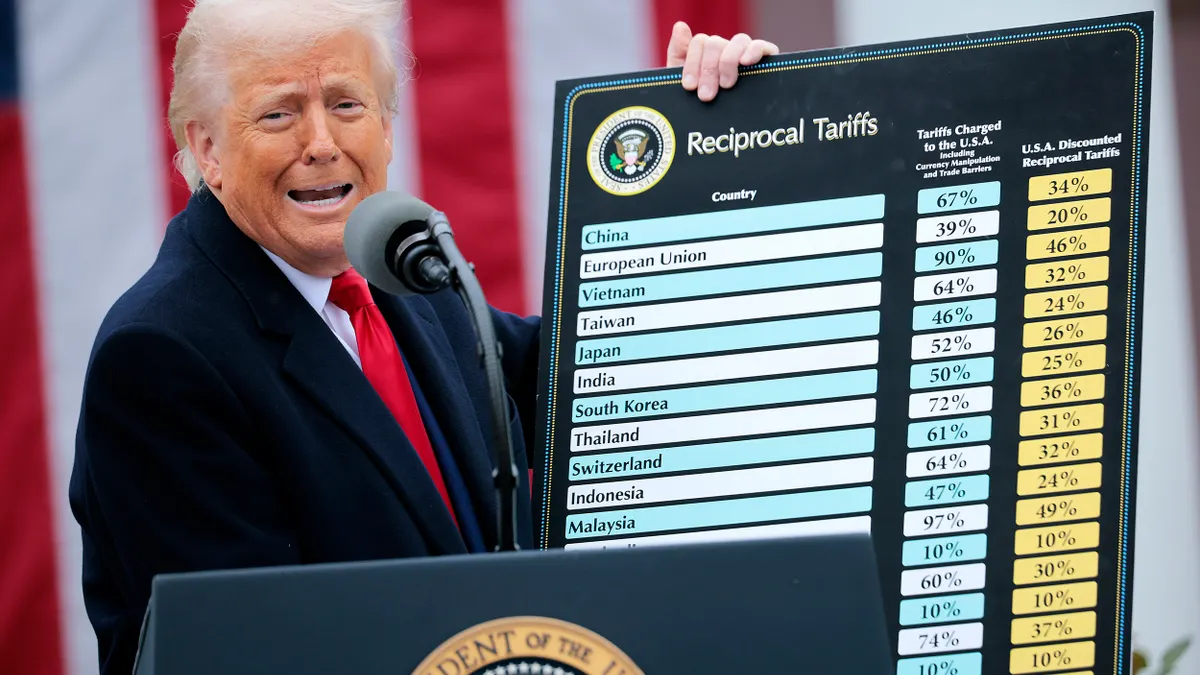
Following the rollout of Trump’s reciprocal tariff policy last April, the landscape has continued to shift, especially after the Supreme Court struck down levies the president enacted under the International Emergency Economy Powers Act.
Despite the legal setback, Trump has vowed to continue using tariffs to advance his trade policy agenda via separate statutes, such as Section 232 and 301. The U.S. has already pursued these avenues with sector-specific levies on goods such as steel, aluminum, automobiles and furniture.
Prior to the Supreme Court’s decision, the Trump administration reached tariff agreements and framework deals with several major trading partners, including the European Union, Japan and South Korea. However, it is unclear what the court’s ruling will mean for those pacts.
To help companies keep up in this fluctuating environment, here’s a look at the current status of tariff-related actions taken by the U.S. and its trading partners since the beginning of 2025. Supply Chain Dive will keep updating this table as new information arises.
What is the status of tariff threats?
Editor's Note: Supply Chain Dive is keeping a close eye on official trade announcements, so you don’t have to. But it’s possible we missed something.
If you know of a trade action that is missing from this list, send us an email at [email protected].