The United States could soon enact tariffs on imports from countries that sell oil to Cuba, continuing a barrage of duty threats on multiple trading partners from the White House in the last week.
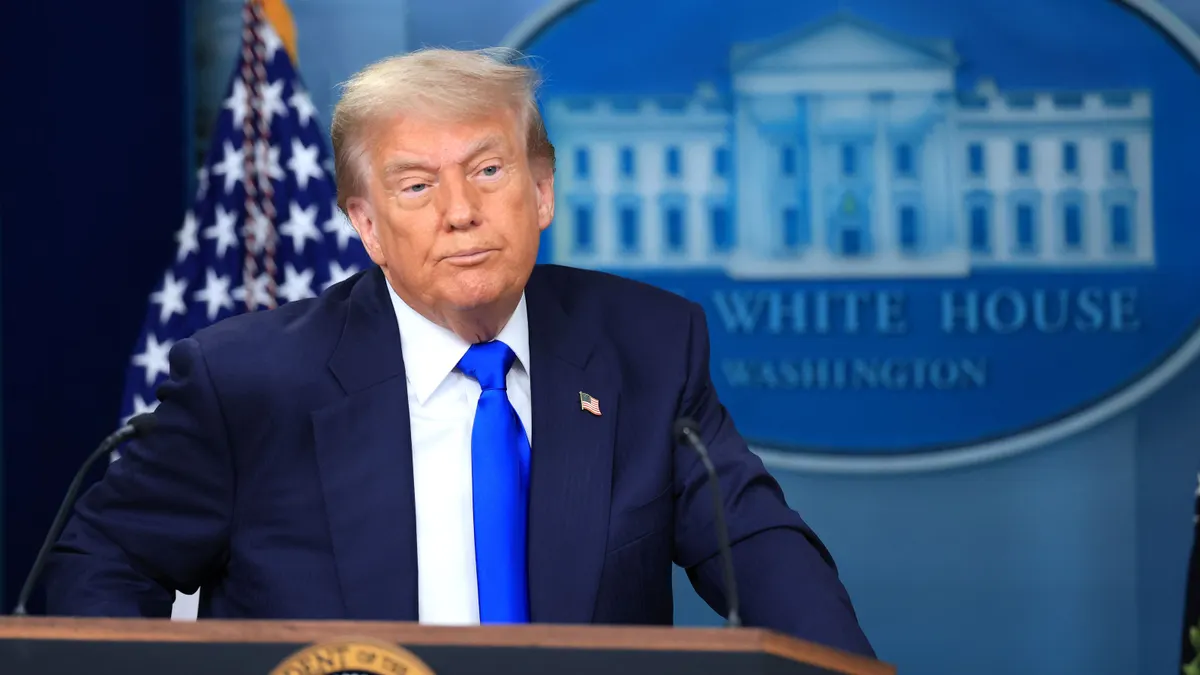
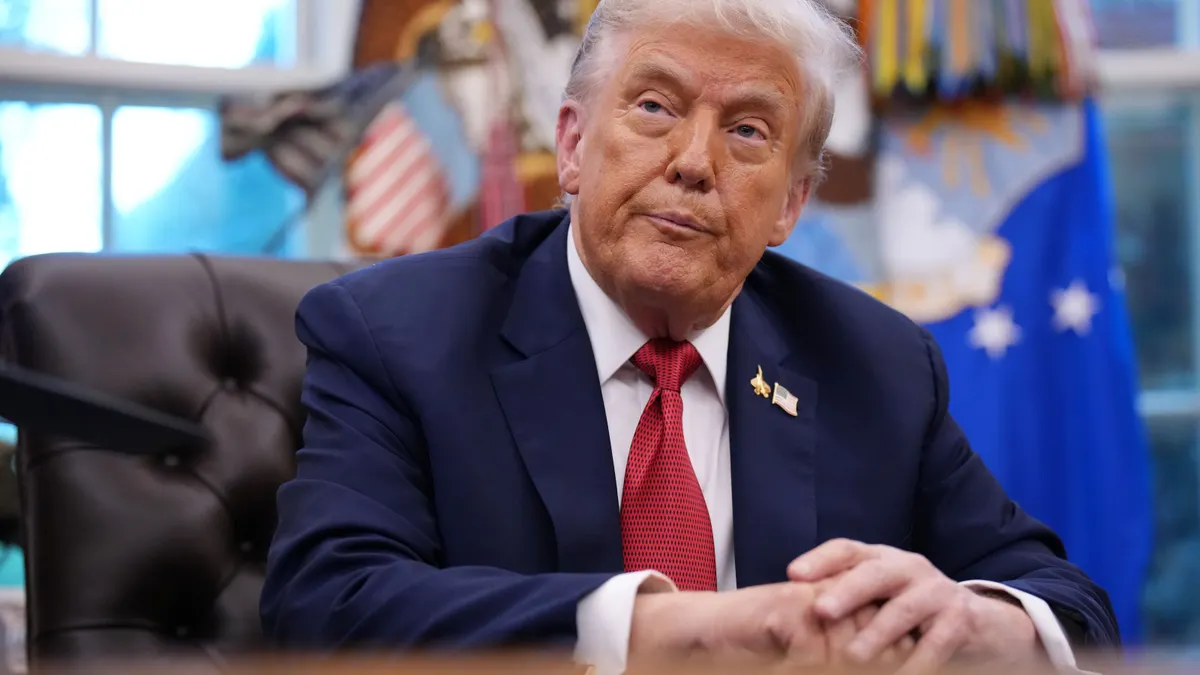
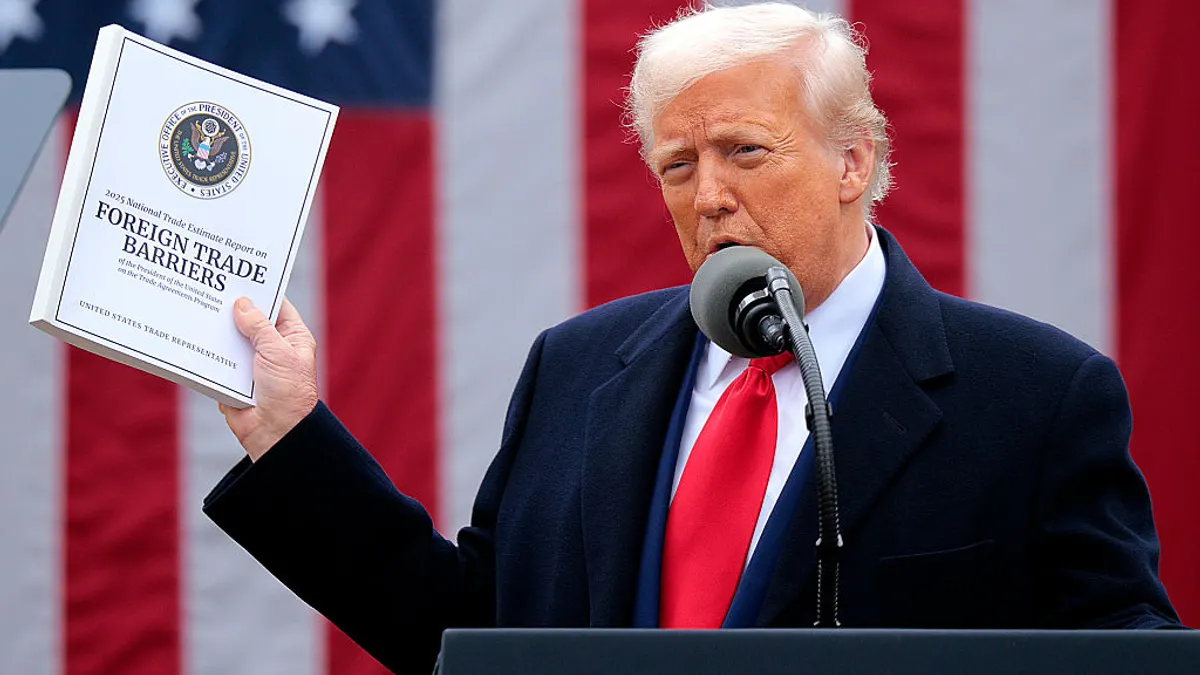
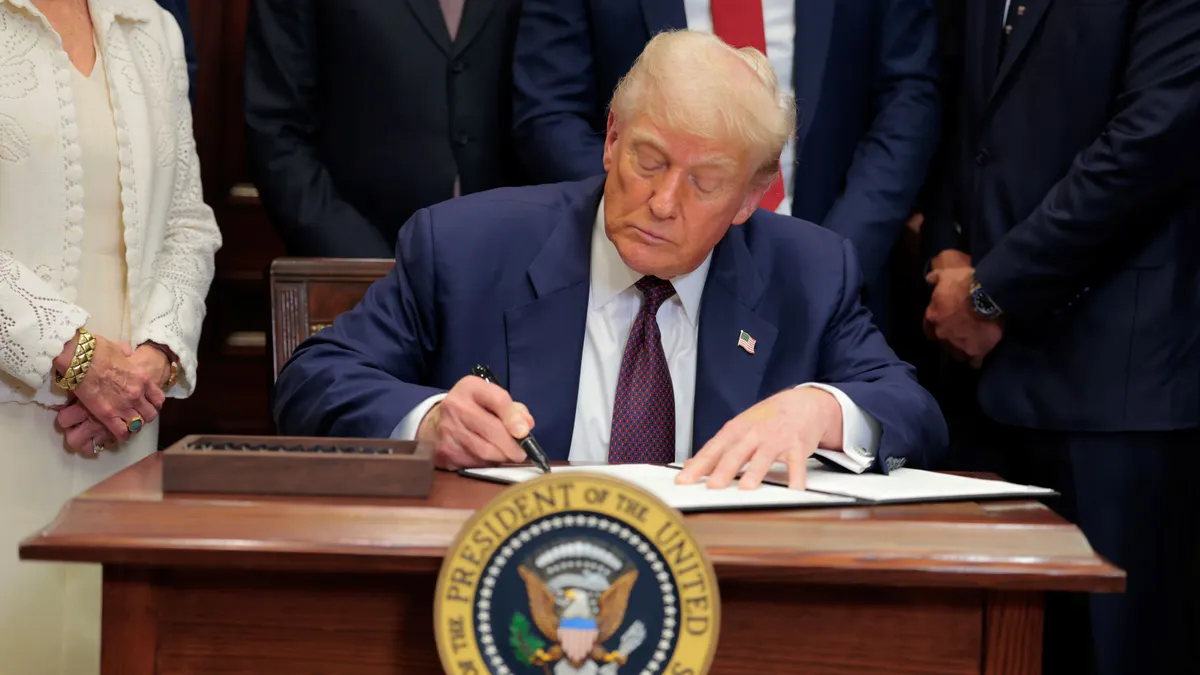
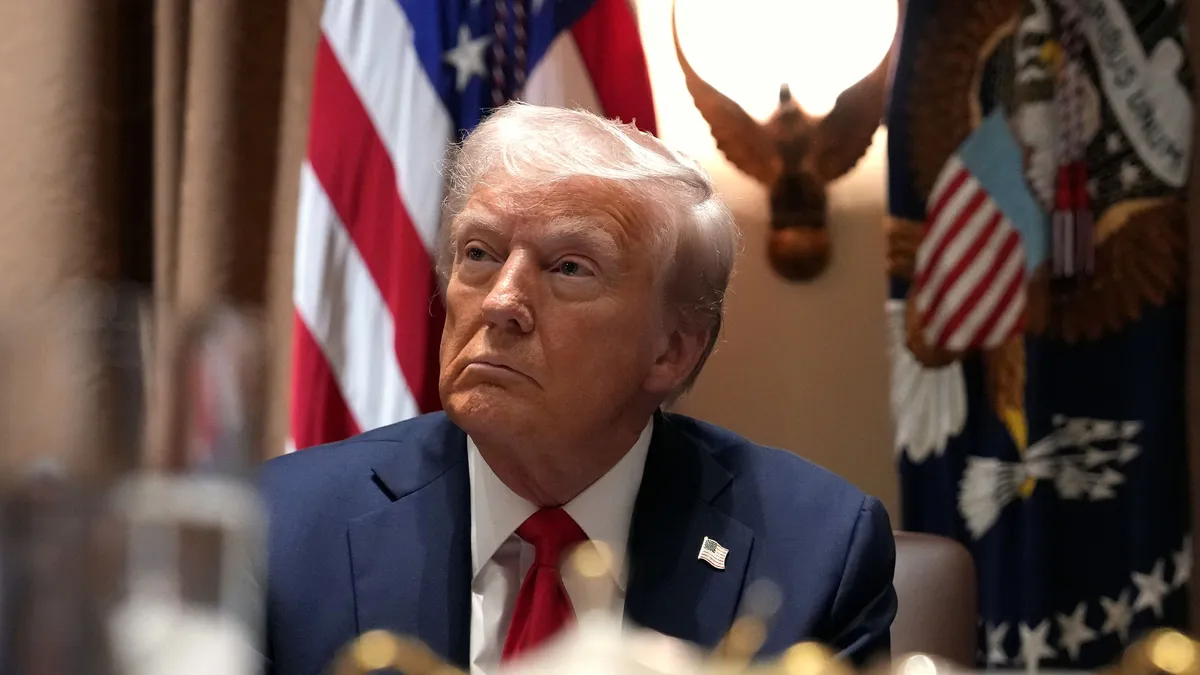
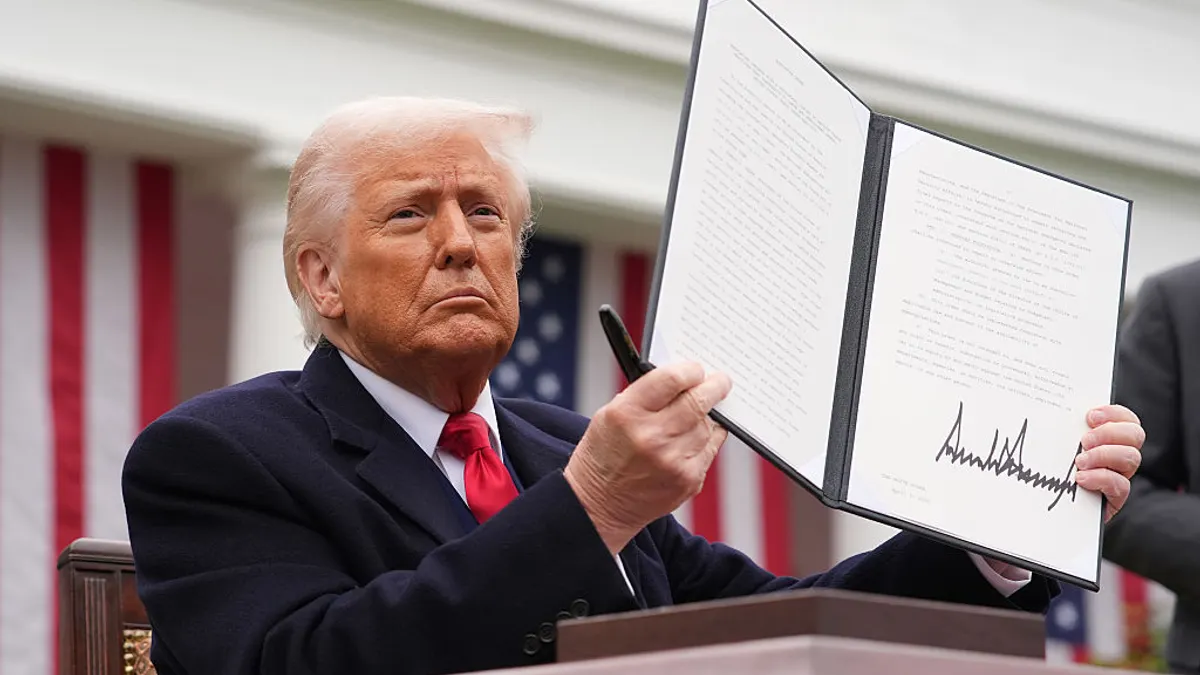
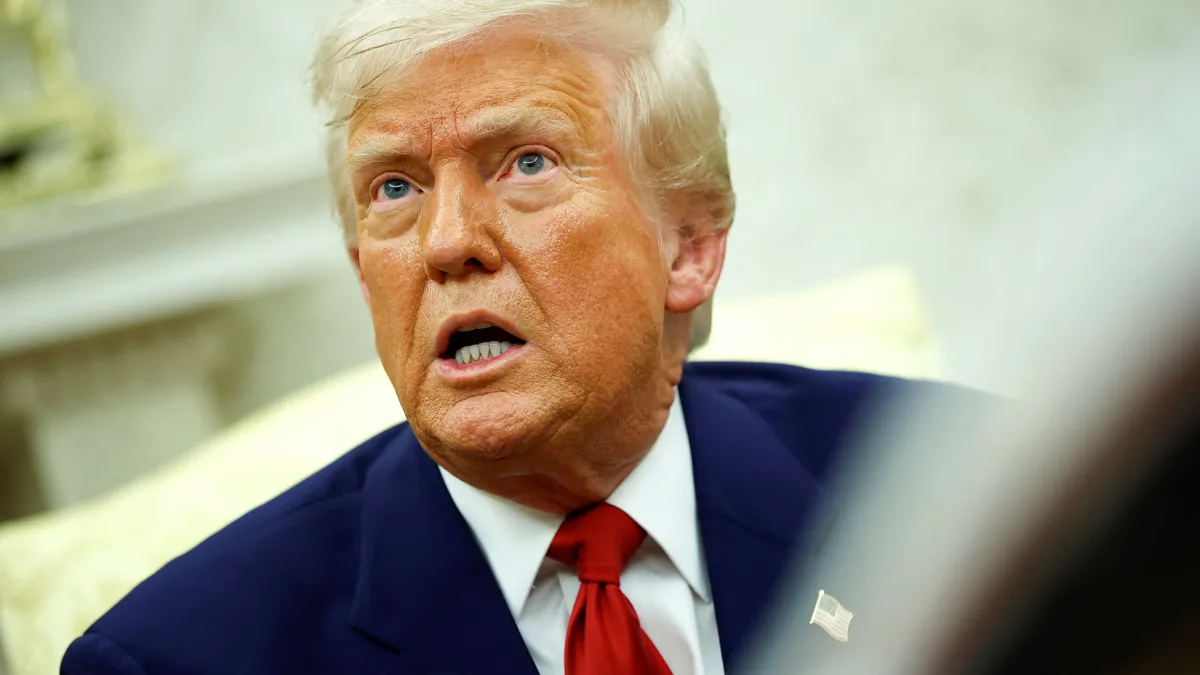
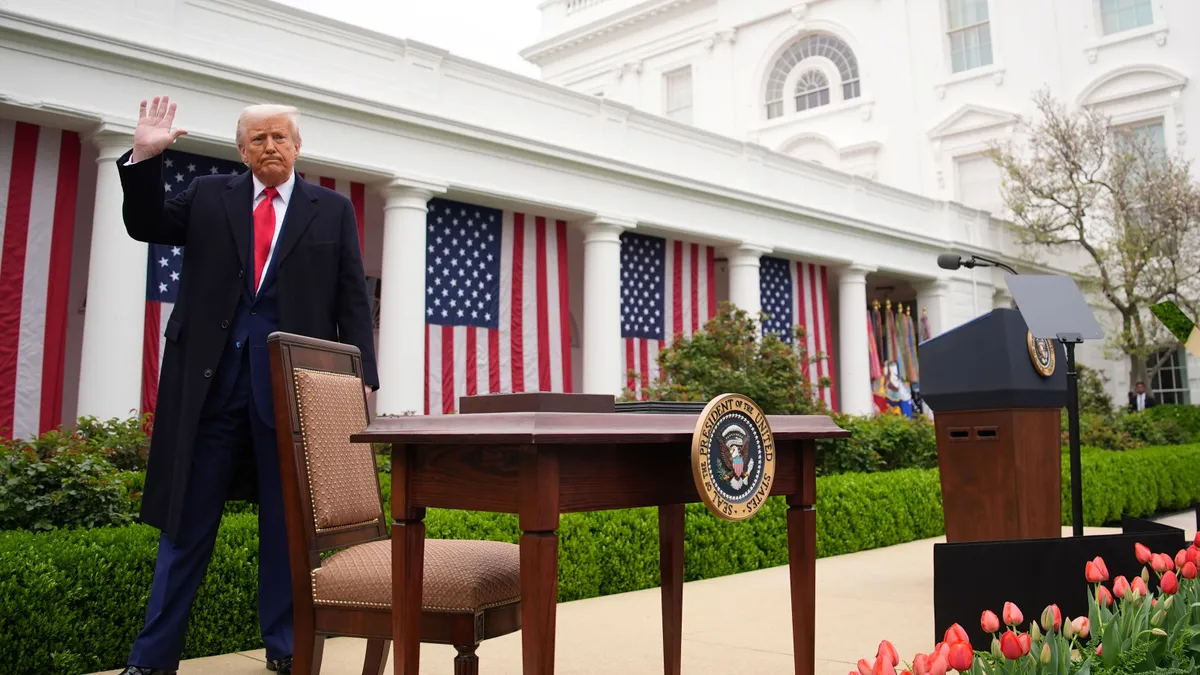
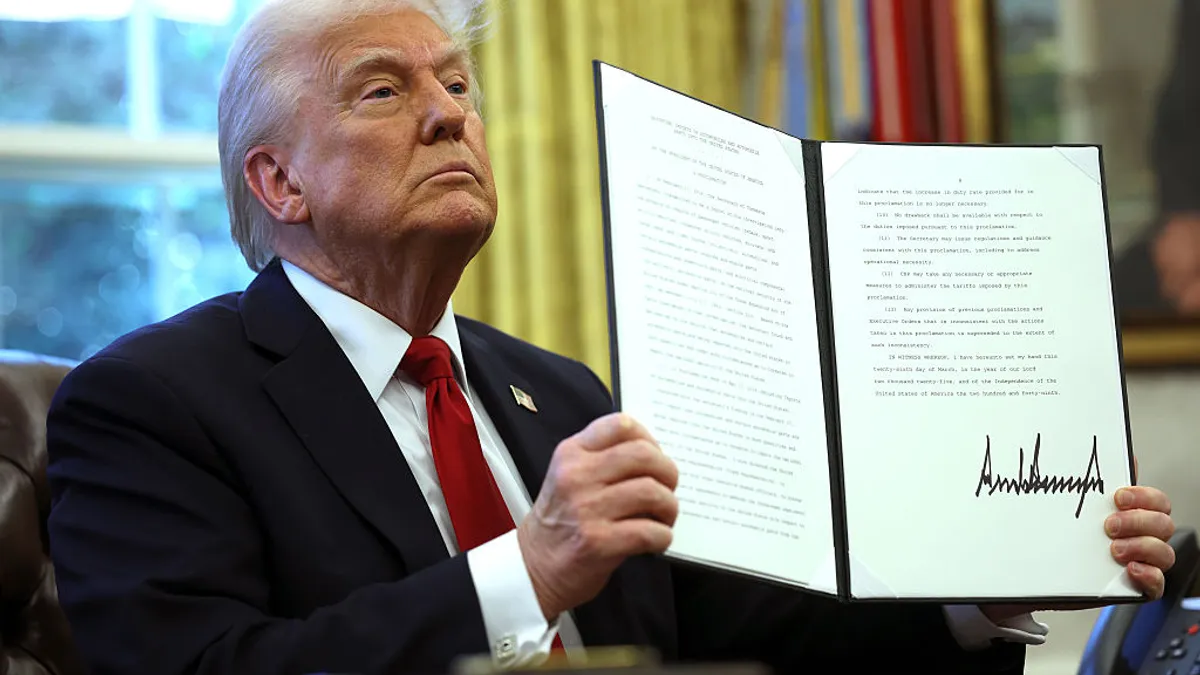
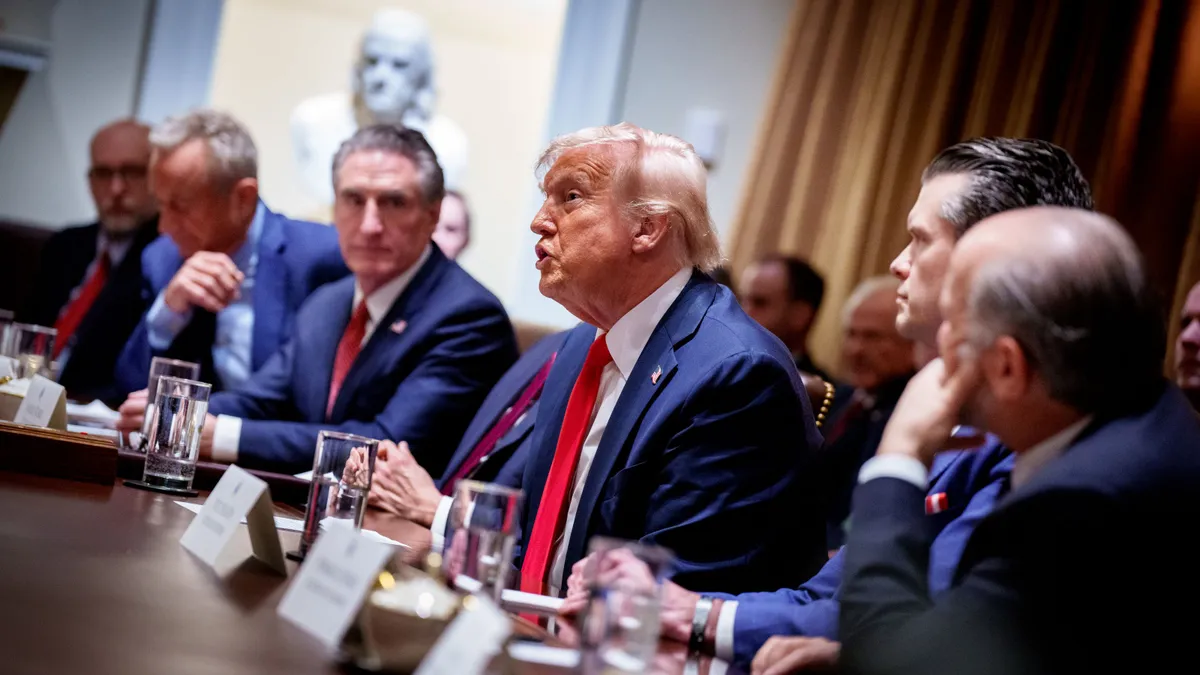
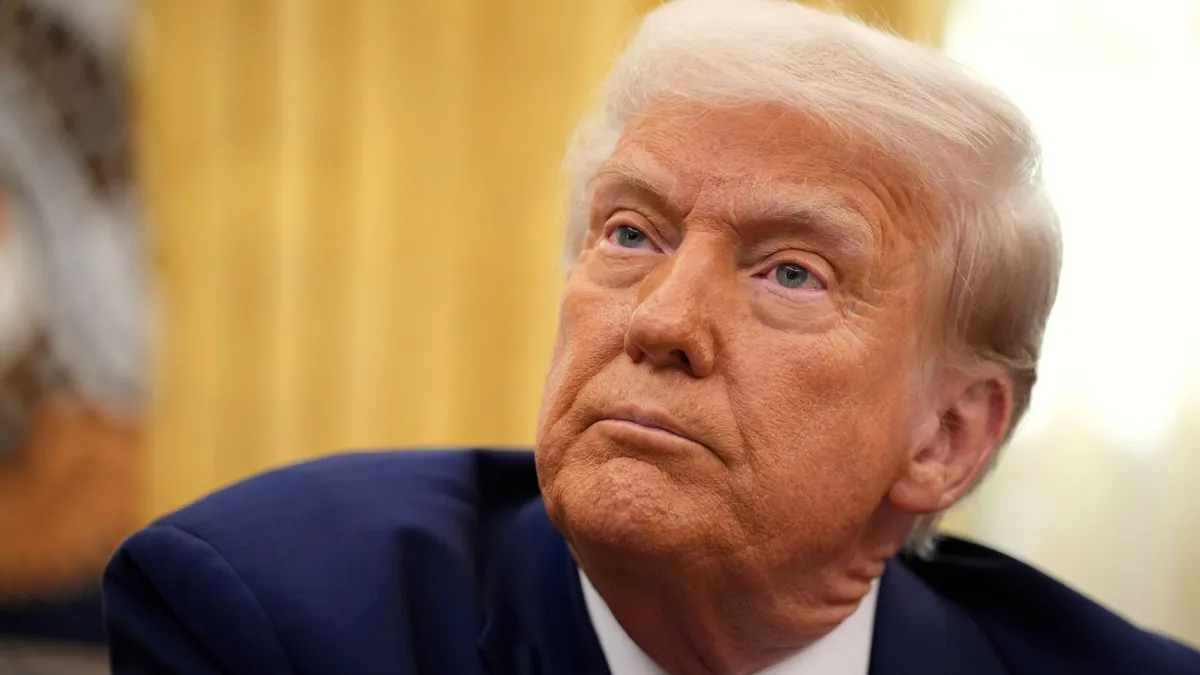
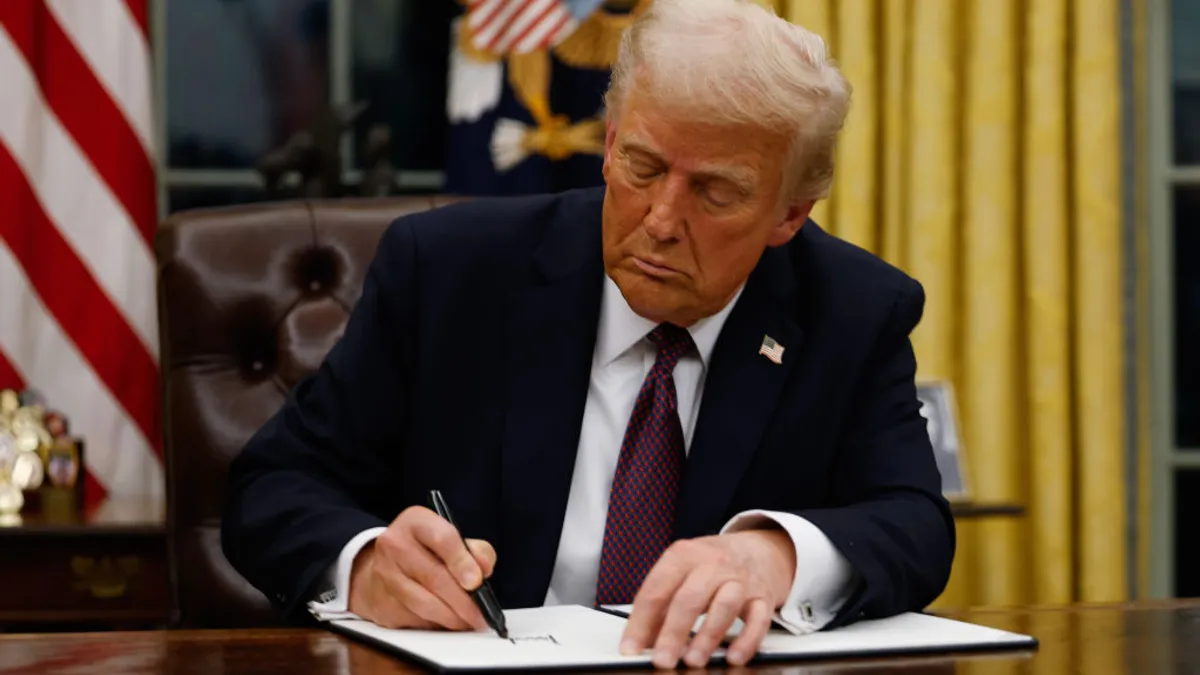
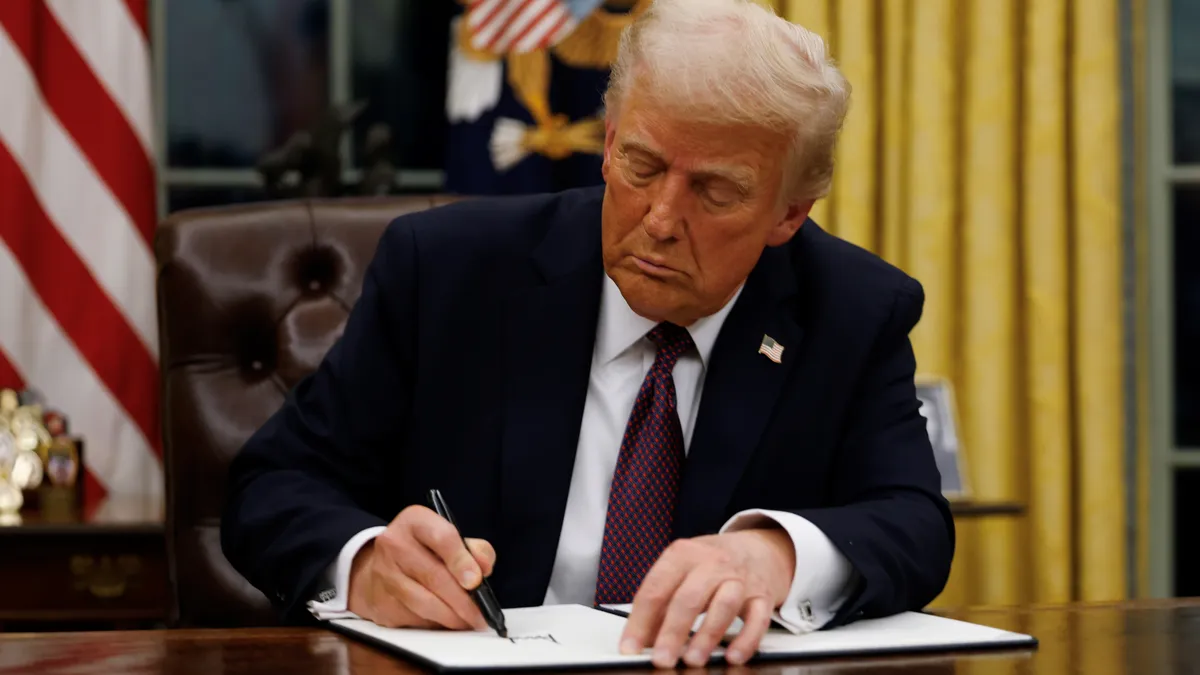
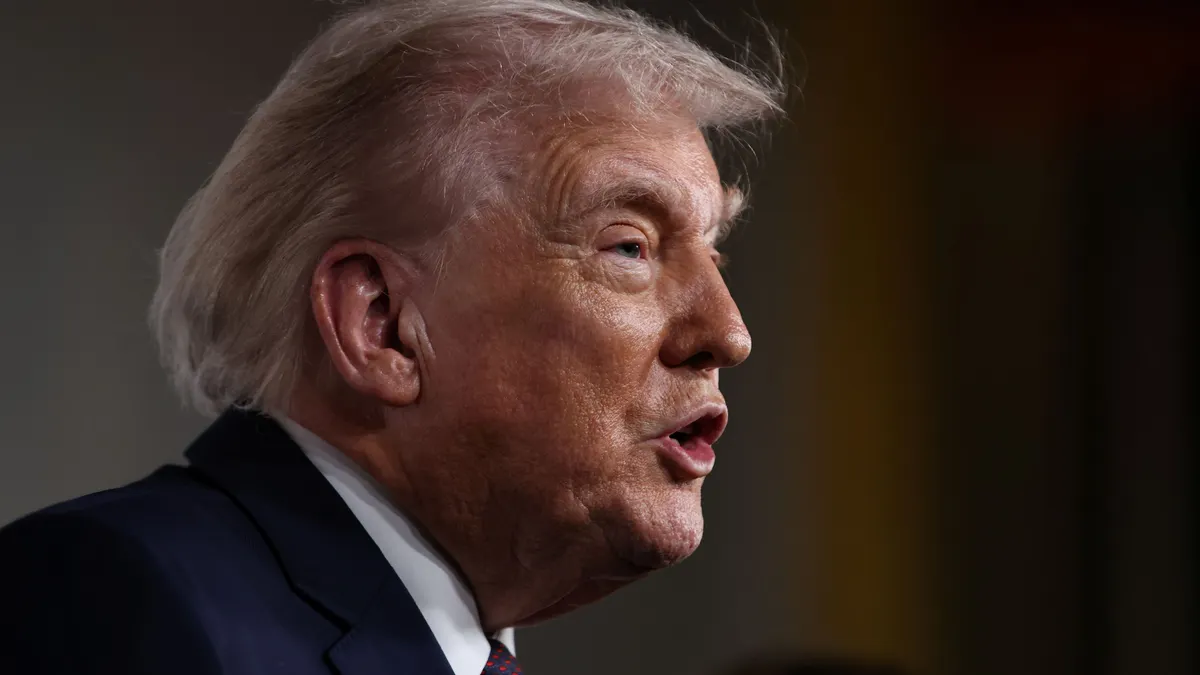
On Thursday, U.S. President Donald Trump signed an executive order that established a system to implement tariffs on nations that sell crude oil and petroleum products to Cuba. Although the order is effective as of Friday, the order delegates cabinet members to determine the extent of any potential tariffs before Trump institutes the levies.
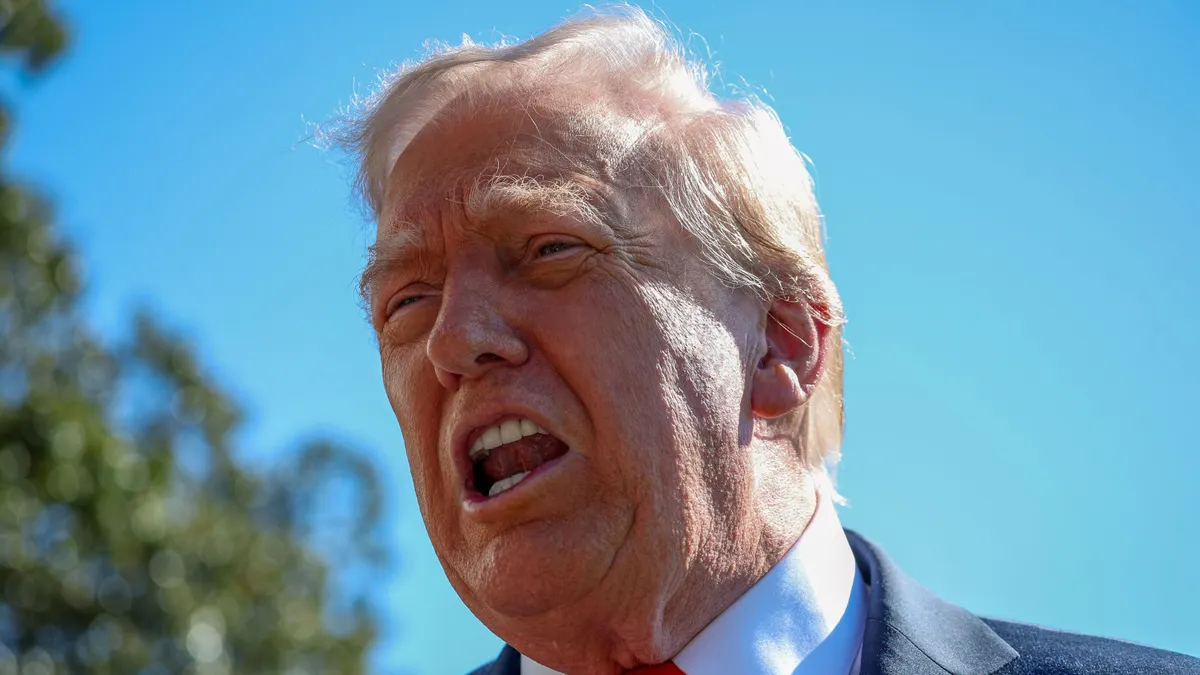
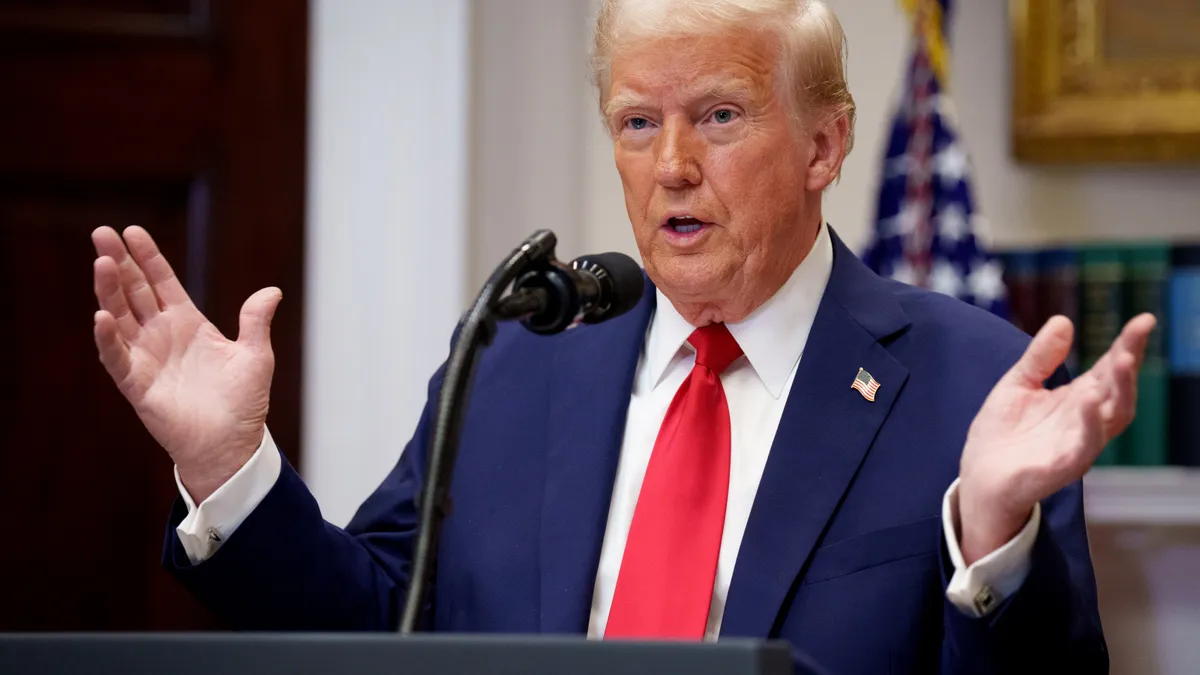
Trump said the order was necessitated by national security concerns over Cuba’s military and intelligence support for U.S. adversaries, including Russia, China and Iran, as well as for human rights issues.
“So strategically, this is less about cigars and nostalgia and more about leverage,” Pete Mento, director of global trade advisory services at Baker Tilly, said in a LinkedIn post. “It’s a geopolitical pressure tool dressed in trade clothing. And as we’ve seen the last few years, trade policy has officially become foreign policy with a spreadsheet.”
Per the order, the Commerce Secretary, in consultation with other cabinet members, will monitor and confirm whether a country is directly or indirectly selling oil to Cuba before making a determination about potential tariffs. The order defines an indirect seller as a nation that knowingly provides oil to Cuba through intermediaries or third-party countries.
The Secretary of State will then make the final recommendation to the president of whether to install a tariff.
Thursday’s missive mirrors an executive order Trump signed last year that instituted a “secondary tariff” system for buyers of oil from Venezuela. Although that executive order targeted countries purchasing rather than selling oil products, Trump delegated the tariff decision to cabinet members, a move he repeated in Thursday’s order.
“The structure gives the Administration flexibility. It’s not an automatic hammer — it’s discretionary,” Mento said in his post.
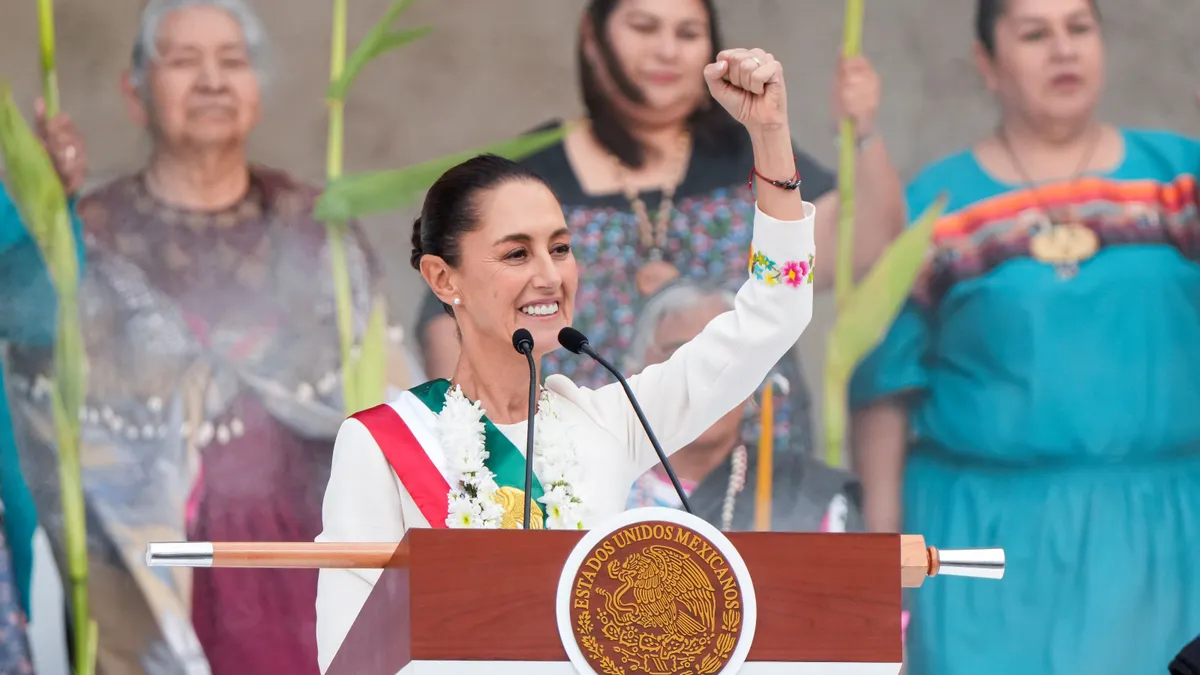
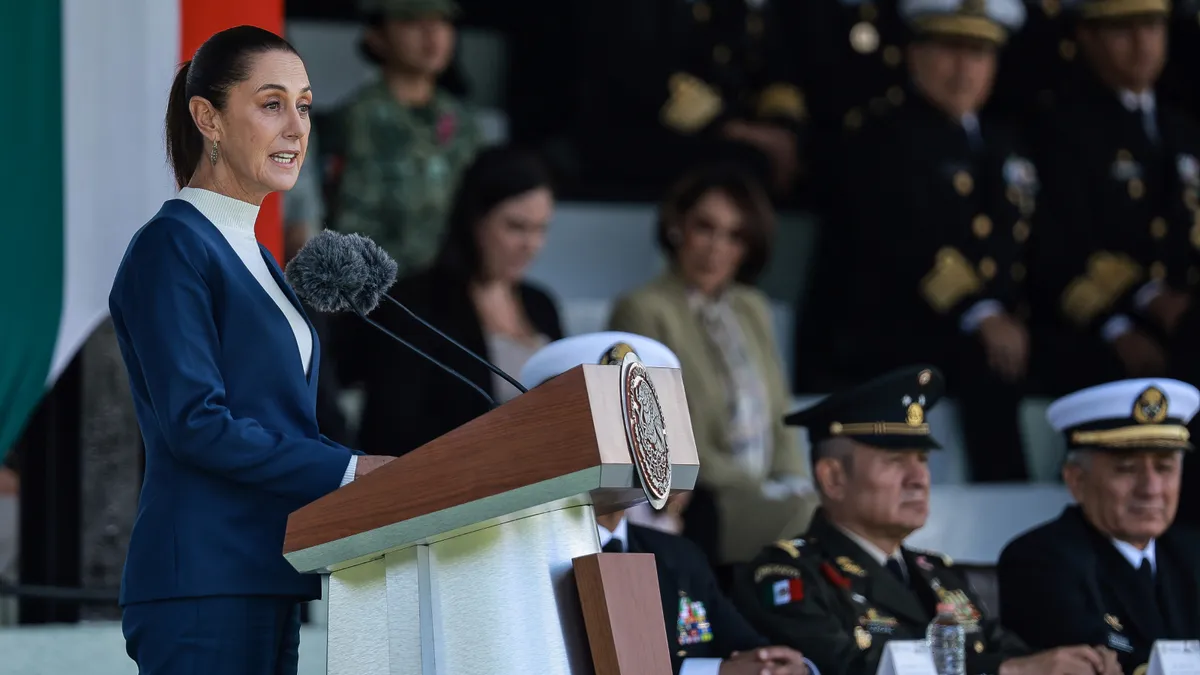
The potential tariffs from Thursday’s order could complicate trade relations with a top U.S. trading partner: Mexico, which is a major oil supplier to Cuba. Mexico President Claudia Sheinbaum recently indicated that the country had halted an oil shipment to the Caribbean nation, according to a Reuters report, although she denied it was due to U.S. coercion.
Sheinbaum and Trump spoke by phone on Thursday about the border, drug trafficking and trade, the U.S. president said on social media. In a press conference Friday, Sheinbaum said the two leaders did not discuss Cuba on the call. However, she said her administration would immediately contact the U.S. Department of State to understand the implications of the decree as it pushes to avoid a potential humanitarian crisis in Cuba.
“The imposition of tariffs on countries that supply petroleum to Cuba could unleash a far-reaching humanitarian crisis, directly affecting hospitals, food supplies and other basic services for the Cuban people — a situation that must be avoided through a dialogue between parties and respect for international law,” Sheinbaum said in Spanish.
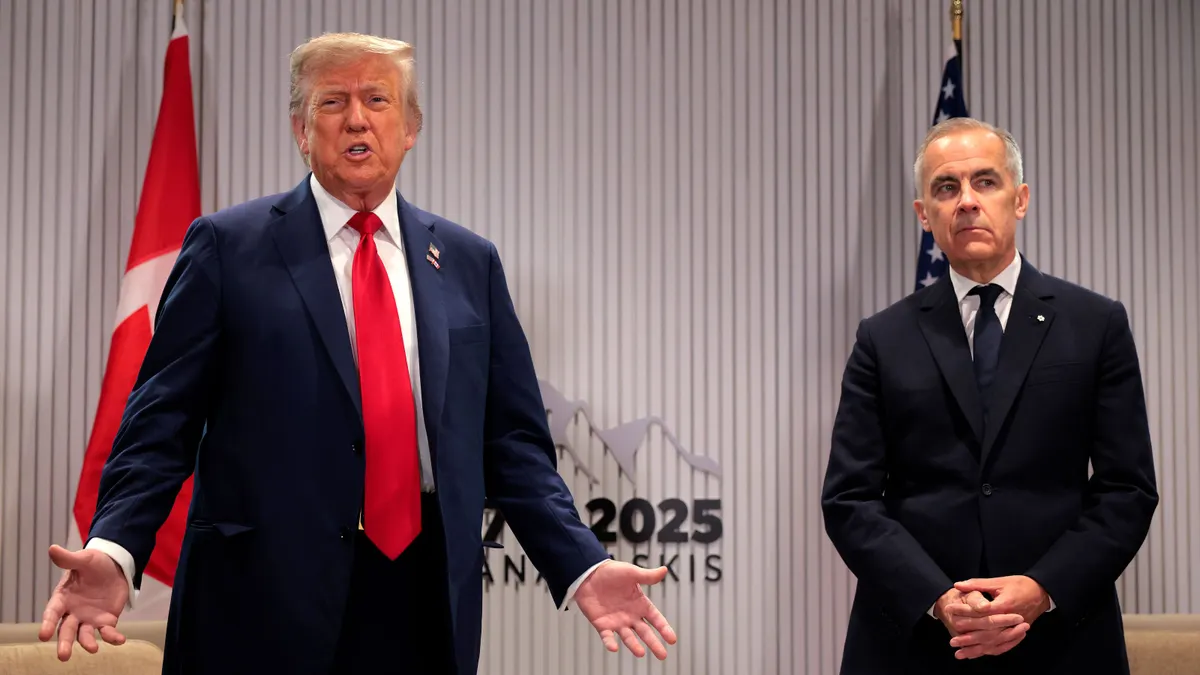
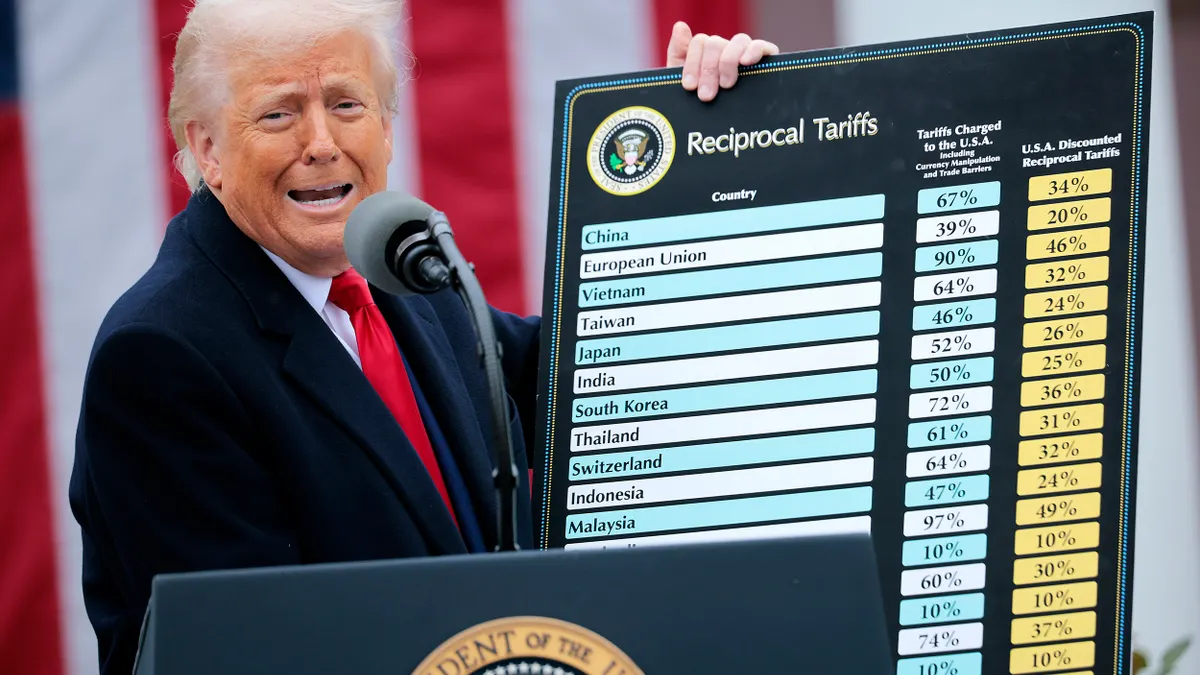
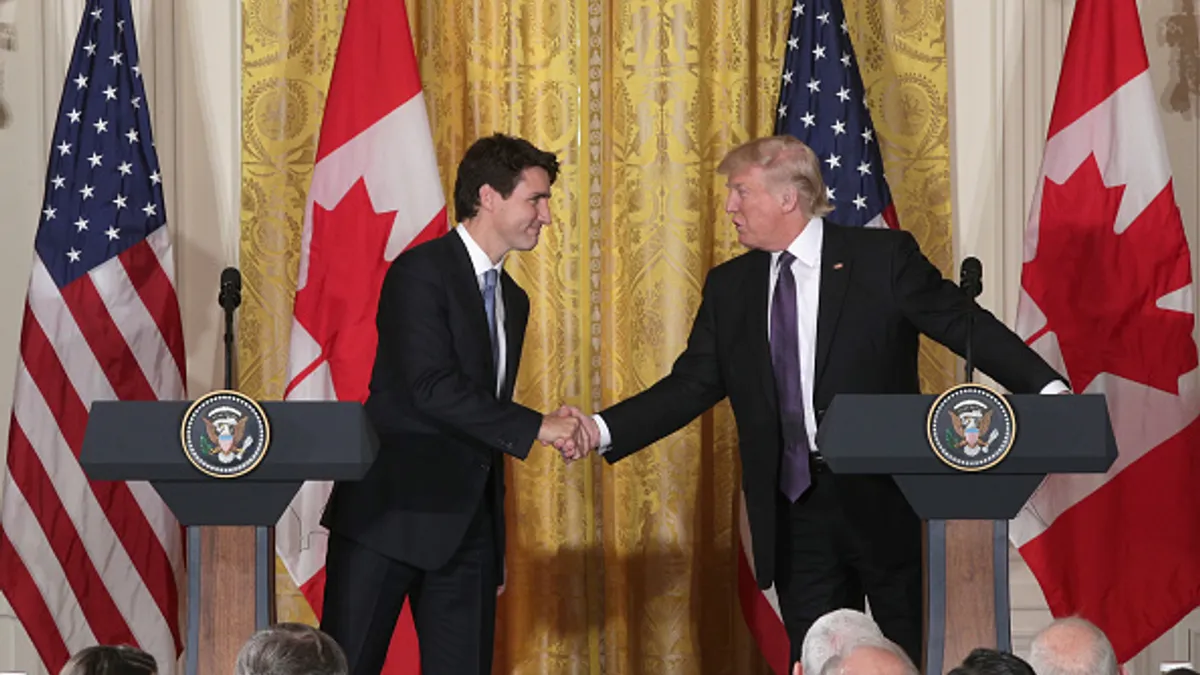
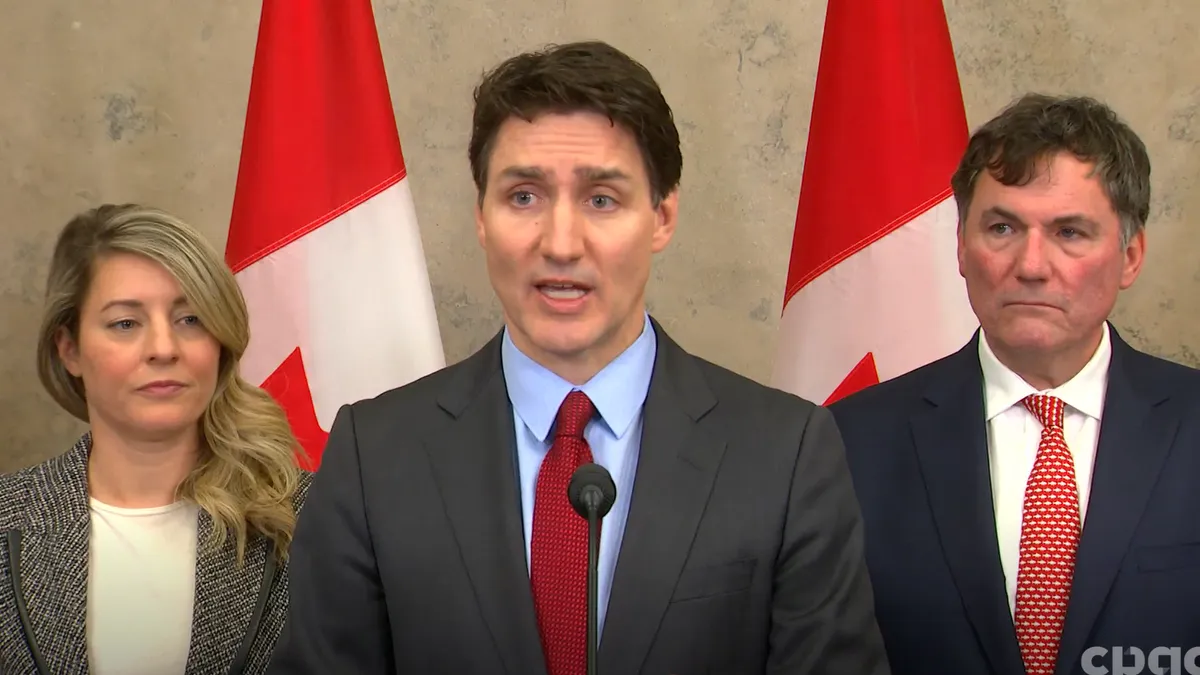
Thursday’s announcement from the White House joins a rush of tariff threats from Trump in the last week. The president has also floated hiking duties on goods from South Korea to 25% to accelerate completion of a trade framework deal while twice targeting Canada for its deepening trade ties with China and alleged failure to certify certain Gulfstream aircraft.
Edwin Lopez contributed to this story.