Dive Brief:
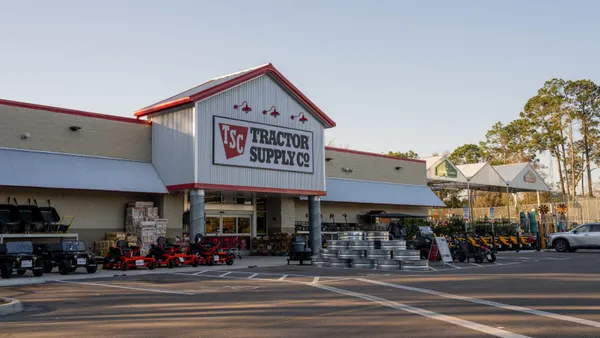
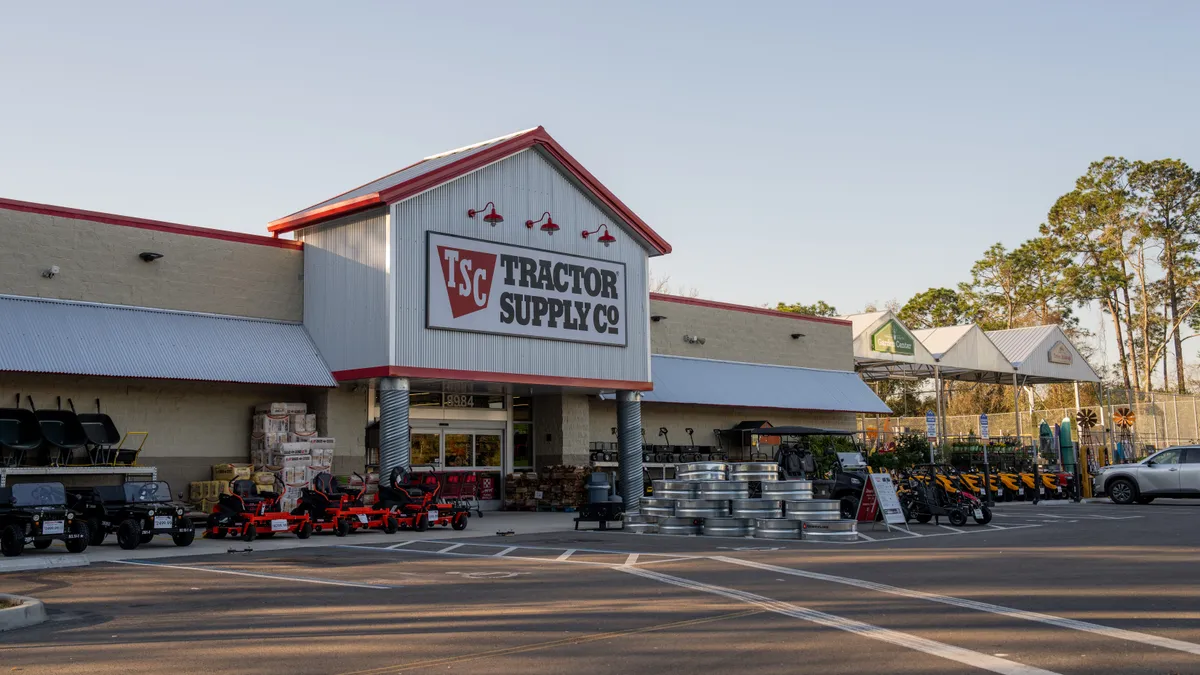
- Tractor Supply Co. is prioritizing lower costs and improved efficiency for shipments of online orders this year, an effort driven by its ongoing final-mile delivery initiative, President and CEO Hal Lawton said on a Q4 earnings call last week.
- As part of the initiative, the retailer plans on adding in 2026 more than 150 new hub locations, which bring drivers and inventory from different facilities together for deliveries to nearby customers. That will result in Tractor Supply having about 375 hubs covering over half its stores.
- "One way to think about that level of coverage is that it gives us last-mile delivery capabilities across more than 1,200 stores and reaching over 15 million customers," Lawton said.
Dive Insight:
Tractor Supply unveiled its final-mile initiative in December 2024 as part of a push to make more customer deliveries in-house, particularly for big and bulky shipments like fence panels and riding lawnmowers.
By the end of the decade, the company plans to deliver up to 95% of large-item orders itself, EVP and Chief Supply Chain Officer Colin Yankee said when the program was first announced. The company tends to see higher customer satisfaction scores with in-house deliveries, he added.
While Tractor Supply is looking to lean more on its own delivery network, it's also integrating more deeply with gig providers like UPS' Roadie to lower cost per delivery across channels, according to Lawton. He identified "$10-ish million a year" in freight-related savings tied to the final-mile plan, which will both help the company's gross margins and cover continued investments in the initiative.
"So that initiative in many ways is kind of self-funding itself as it goes," Lawton said.
The final-mile push comes as Tractor Supply saw Q4 gross margin decline about 10 basis points year over year due in part to higher delivery-related transportation costs. The company also fell short of its expectations in the quarter as weaker demand for discretionary goods and fewer severe weather events, which typically lead to sales boosts for emergency purchases, weighed on sales.
Editor's note: This story was first published in our Logistics Weekly newsletter. Sign up here.