Dive Brief:
- The South Carolina Ports Authority plans to expand its roll-on/roll-off cargo operations to support the state’s growing automotive industry, according to a May 15 press release.
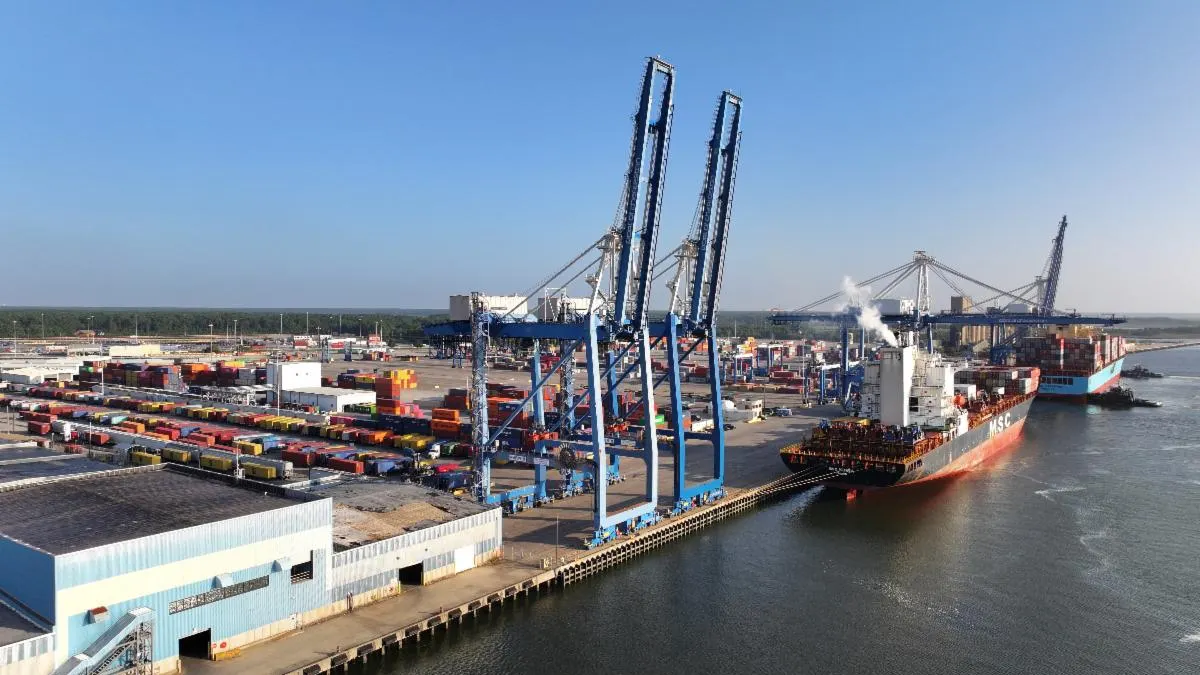
- The Port of Charleston aims to enhance its rail infrastructure site and vessel parking areas at its North Charleston Terminal, Laura Clifton, the port authority’s public relations manager, said in an email. Port improvements are expected to be completed in 2028, with an adjacent paper mill site slated to be demolished this summer.
- Final numbers on added capacity is not yet available, however, the Columbus Street Terminal at the port is currently equipped to move over 250,000 vehicles annually.
Dive Insight:
South Carolina continues to be an attractive state for automotive supply chains as it offers an available workforce, a network of suppliers, rail connections and available land to expand infrastructure, Clifton said.
In 2025, motor vehicles and parts were South Carolina’s most exported commodities, according to data from the state’s commerce department. South Carolina also held a market share of 18% of completed passenger vehicle sales, which the department said was the largest share when compared to all 50 states.
Construction equipment and oversized vehicles, such as buses and trailers, are also handled at SC Ports, Clifton said.
SC Ports has been a critical partner to global automotive companies for decades, including BMW, Mercedes-Benz Vans and Volvo Cars, Clifton said. The automakers, which have manufacturing facilities in the state, rely on importing and exporting parts for just-in-time supply chains, according to Clifton.
The Georgia Ports Authority has also been investing in its roll-on/roll-off operations for automotive shipments. The Southeast port handled 779,000 units in 2025, saying that it was the “nation’s busiest port for automobiles” that year, according to a press release. The post also handled more than 53,000 units of heavy machinery.
The Southeast port is implementing a series of infrastructure projects to prepare for anticipated growth in vessel size and overall cargo volumes, per the release. For instance, the port announced it would invest a $100 million berth for roll-on/roll-off cargo and improvements to outdoor storage for vehicles and other harbor modifications.