The U.S. has collected more than $1 billion in duty revenue from over 246 million low-cost shipments in 2025 after phasing out the de minimis exemption, per a Dec. 17 announcement from Customs and Border Protection.
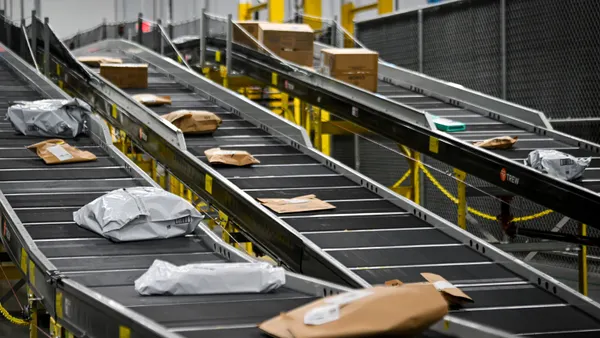
Prior to its elimination in August, the de minimis exemption allowed imports of less than $800 to enter the U.S. duty and tax free. The trade tool grew in popularity through the years as direct-to-consumer merchants and other businesses used it to limit shipping costs within their supply chains.
Annual de minimis volumes more than doubled from 2020 to 2024, per CBP data. The total value of de minimis-eligible goods reached $64.6 billion in 2024.
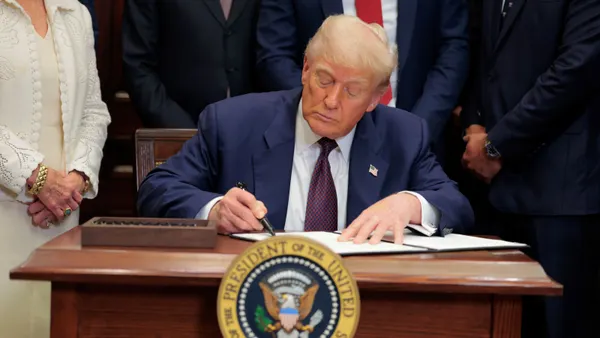
Efforts to eliminate the exemption began to take effect in May, when the Trump administration ended de minimis eligibility for products from China and Hong Kong. The White House, lawmakers and CBP officials came out against the trade tool in large part due to concerns over harms to domestic manufacturing and contraband entering the country via de minimis.
“Reaching the $1 billion milestone so quickly shows just how much revenue was slipping away under the old rules,” CBP Commissioner Rodney Scott said in the announcement. “With this change, American businesses don’t have to compete with duty-free foreign goods, and CBP has stronger oversight of what comes into our country.”
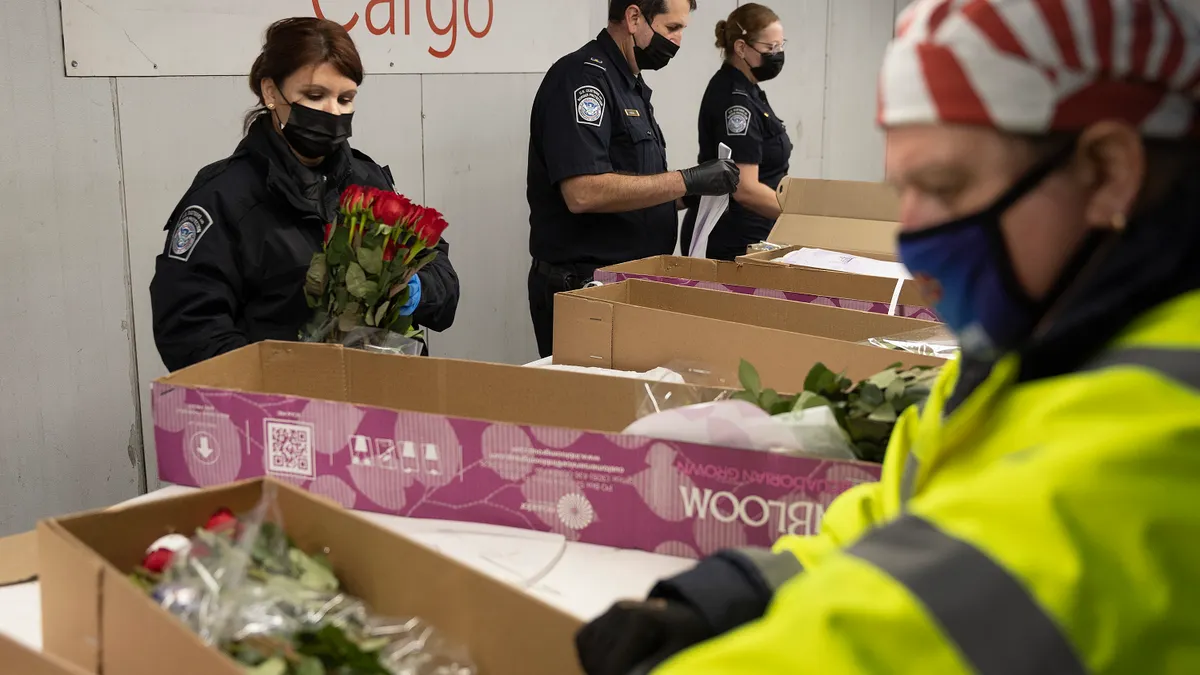
The end of the exemption has resulted in low-cost shipments entering the country via more traditional import methods, which require more granular information about what's being shipped. Since de minimis' elimination for China and Hong Kong, CBP has reported an 82% jump in seizures of low-cost goods deemed to be unsafe or noncompliant. Seized items include counterfeit products, narcotics and faulty electronics, the announcement said.
“With increased visibility into data for these low-value shipments, we’re better equipped to detect and disrupt criminal networks from smuggling drugs, counterfeits, and other illegal items—making our country safer,” Susan Thomas, acting executive assistant commissioner for CBP’s office of trade, said in the announcement.