Dive Brief:
- Burlington Stores’ transportation cost savings initiatives have helped offset higher freight costs driven by elevated diesel rates and fuel surcharges, EVP and CFO Kristin Wolfe said during a Q1 earnings call.
- Wolfe said that the retailer recently locked in ocean and domestic contracts for the next year at “favorable rates.” The company expects contracted rates to help control freight costs in 2026.
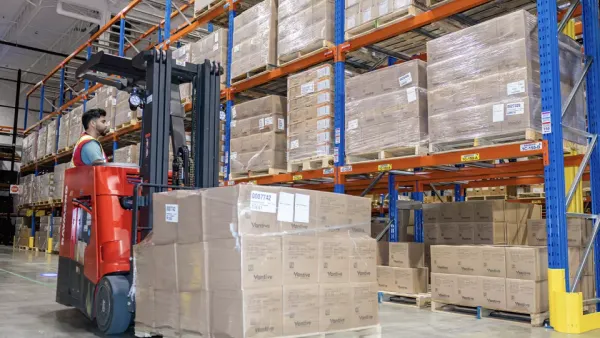
- “Our supply chain continues to increase cube utilization of inbound and outbound shipments, including significant loading focus in our distribution centers and taking advantage of consolidation opportunities on the inbound,” Greg Shultz, EVP and chief supply chain officer at Burlington Stores, told Supply Chain Dive in an email.
Dive Insight:
For Burlington, leveraging contracted rates to save on transportation costs is nothing new.
Last year, Wolfe said it had locked in contracted ocean rates through Q1 of 2026 to reduce the risk of spot market exposure and meet capacity needs. Wolfe told analysts at the time that the company also secured truck and intermodal capacity at “rates we feel very good about.”
The retailer isn’t the only one leveraging its carrier partnerships to help offset rising transportation costs.
Bob’s Discount Furniture told Supply Chain Dive last month that it was in talks with vendors and ocean freight carriers to mitigate costs stemming from fuel pressures.
The retailers are among many facing fuel pressures driven by the Iran war. The military conflict has led to complications for vessels navigating through the Strait of Hormuz, a major waterway for transporting the global oil supply.
Macy’s is also expecting fuel costs to remain a headwind for the full year, COO and CFO Thomas Edwards told analysts during a Q1 earnings call. American Eagle’s EVP and CFO Mike Mathias said the retailer was also anticipating potential pressure from both ocean and air freight shipping.
Editor's note: This story was first published in our Logistics Weekly newsletter. Sign up here.