Editor’s note: This story is part of a series highlighting takeaways from a Jan. 28 event hosted by Supply Chain Dive and Retail Dive. Register here to watch the replay on demand.
Consumer proximity to a company's distribution network will offer an edge for retailers in an online shopping environment more heavily influenced by artificial intelligence, experts said during Supply Chain Dive and Retail Dive’s Jan. 28 virtual event.
Convenience and speed remain important factors in delivery for online shoppers, Rupal Deshmukh, a partner in the strategic operations practice at global management consulting firm Kearney, said.
Also, AI service providers like OpenAI, the developer of ChatGPT, are changing shopper behavior by making last-minute purchases more likely, Deshmukh said. For example, ChatGPT could suggest ways to solve a user problem, such as getting rid of gnats on house plants, leading to an immediate purchase.
"From a supply chain perspective, what it means is ensuring any changes you're making on the supply chain side are as close to the customer as possible," Deshmukh said, advising companies to have AI-driven shopping as a factor in demand forecasting, so inventory can be in the most effective locations.
Except for last-mile delivery, transportation costs have been fairly depressed over the last two years, enabling cost-effective positioning at the regional level, Rick Jordon, senior managing director at FTI Consulting, said at the event.
"We've definitely seen that strategy change a little bit, but you know, all you need is a couple of ticks in transportation cost, and that inventory push will go back to more forward deployment versus perhaps regional deployment," Jordon said.
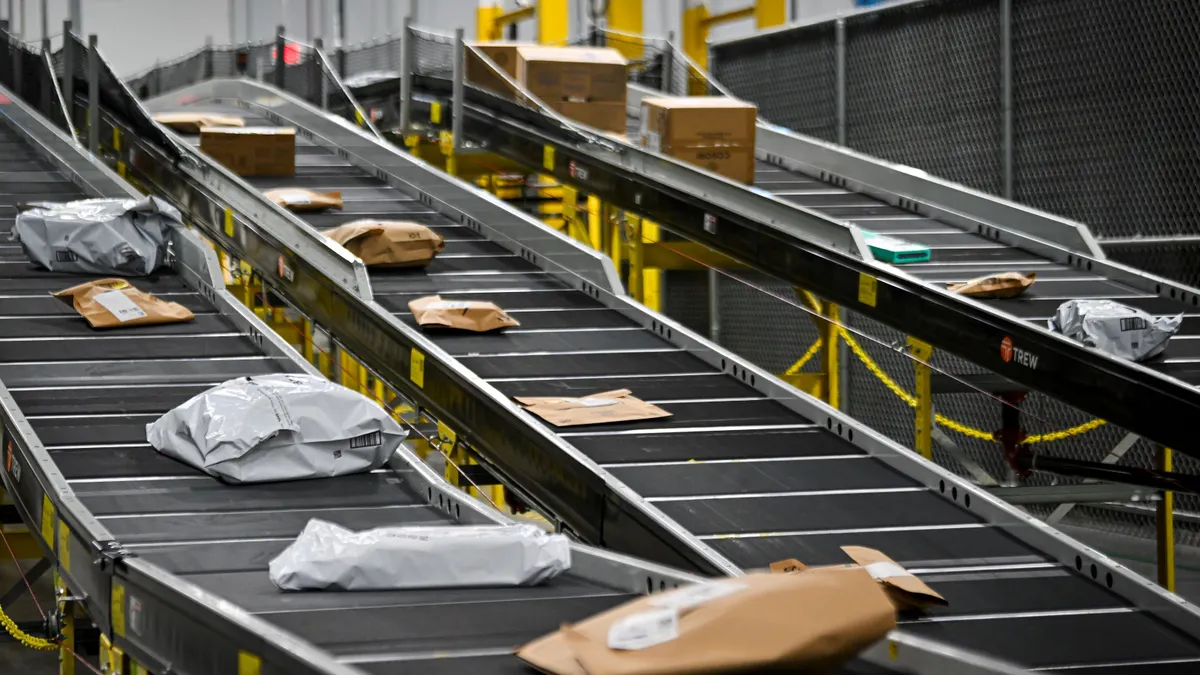
As inventory placement strategies evolve, companies have focused on reducing the total supply chain cost per case through distribution center automation, Deshmukh said, citing Walmart as an example. More than 60% of Walmart's U.S. stores receive a portion of their freight from automated fulfillment centers, the retailer reported.
Overall, supply chain strategies must take into account consumers' preference for speed and convenience, Deshmukh said.
"Supply chains can't afford to be way behind what's changing with the consumer, more in this day and age than before," Deshmukh said.