More favorable freight market conditions won't guarantee smooth sailing for logistics managers in 2026.
Transportation capacity is readily available and shipper-friendly contract rates are within reach for companies with parcel, ocean, air cargo, rail and trucking needs. However, uncertainty driven by tariffs, added fees and service risks may pose hurdles for cargo shipping across all modes.
So what does that mean for logistics managers? Supply Chain Dive spoke to several industry experts to get a 2026 market outlook and to learn how shippers can prepare for whatever comes their way. Here are the trends to watch across each freight mode.
1. Last-mile delivery costs poised to climb further
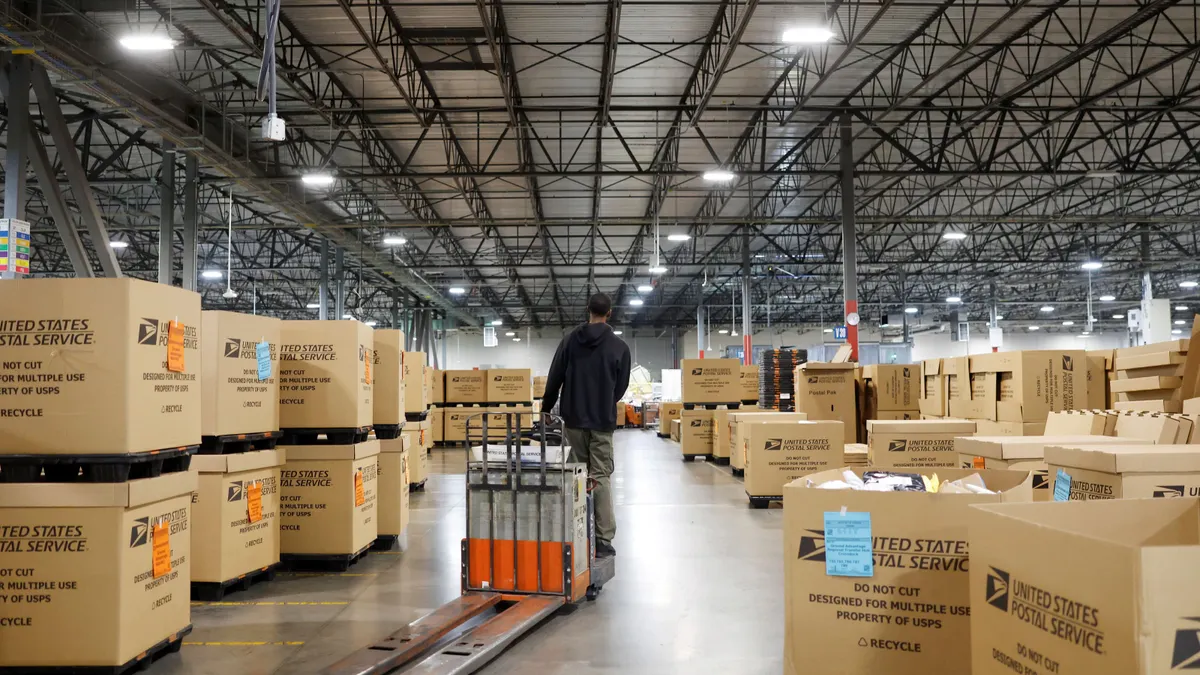
Shippers are expected to feel the sting of escalating last-mile delivery rates in 2026 as additional rate and surcharge increases from FedEx and UPS take hold.
The TD Cowen/AFS Freight Index projects the Q1 ground parcel rate per package will jump even further after reaching record levels in Q4 2025. Prices during the quarter are expected to be 38.9% higher than the index's January 2018 baseline, a 5.4% year-over-year increase.
The upward trend is straining shippers. A decade ago, transportation wasn't typically a top five expense, according to Kenneth Moyer, a partner and chief supply chain officer at LJM Group. Now, transportation is often among the top three, particularly for e-commerce businesses, he added.
"The pricing environment right now is still very, very favorable for shippers.”

Kenneth Moyer
Partner and Chief Supply Chain Officer, LJM Group
One contributor to the shift is the increasing pace of carrier pricing adjustments, meaning carriers’ annual "general rate increases" don’t tell the full story for how a shipper's transportation expenses may change during the year, according to Paul Yaussy, head of parcel contract intelligence at Loop. As a result, businesses should be prepared for more cost pressures as the year advances.
However, shippers still have an opportunity to secure better rates during carrier negotiations as delivery providers fight for volume, experts said.
"The pricing environment right now is still very, very favorable for shippers," Moyer said. "It does take a little longer and take a little more effort to get concessions than it did the last few years, but they're still out there to be had.”
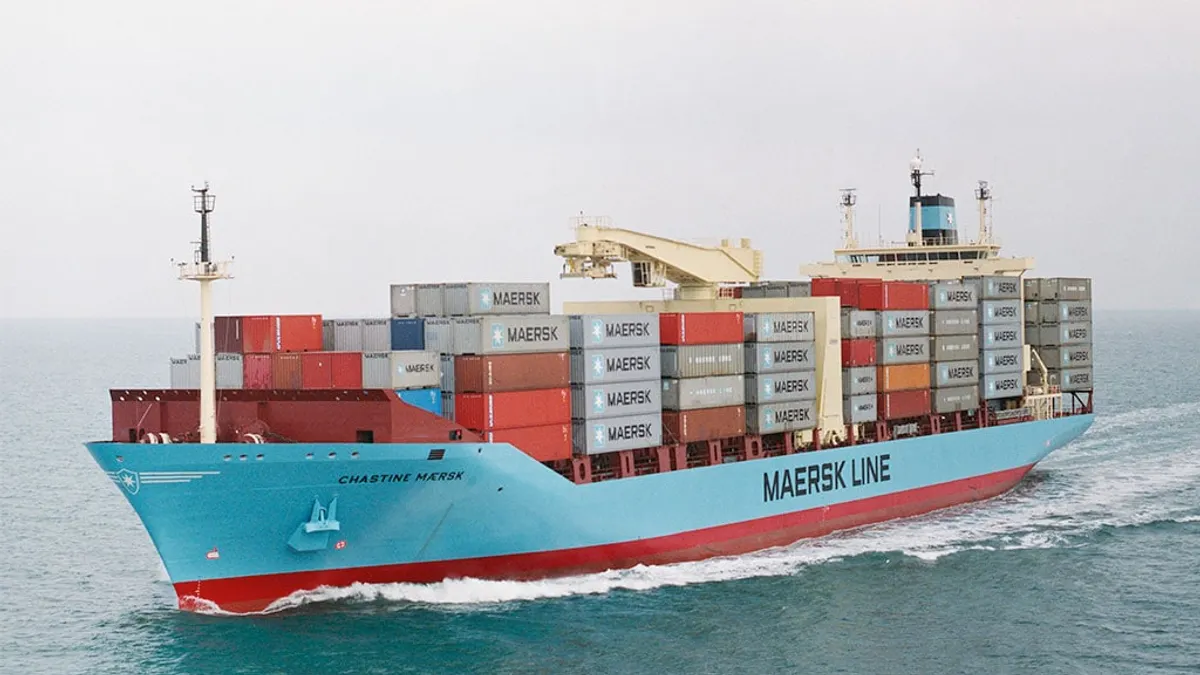
2. Ocean shipping capacity to rise
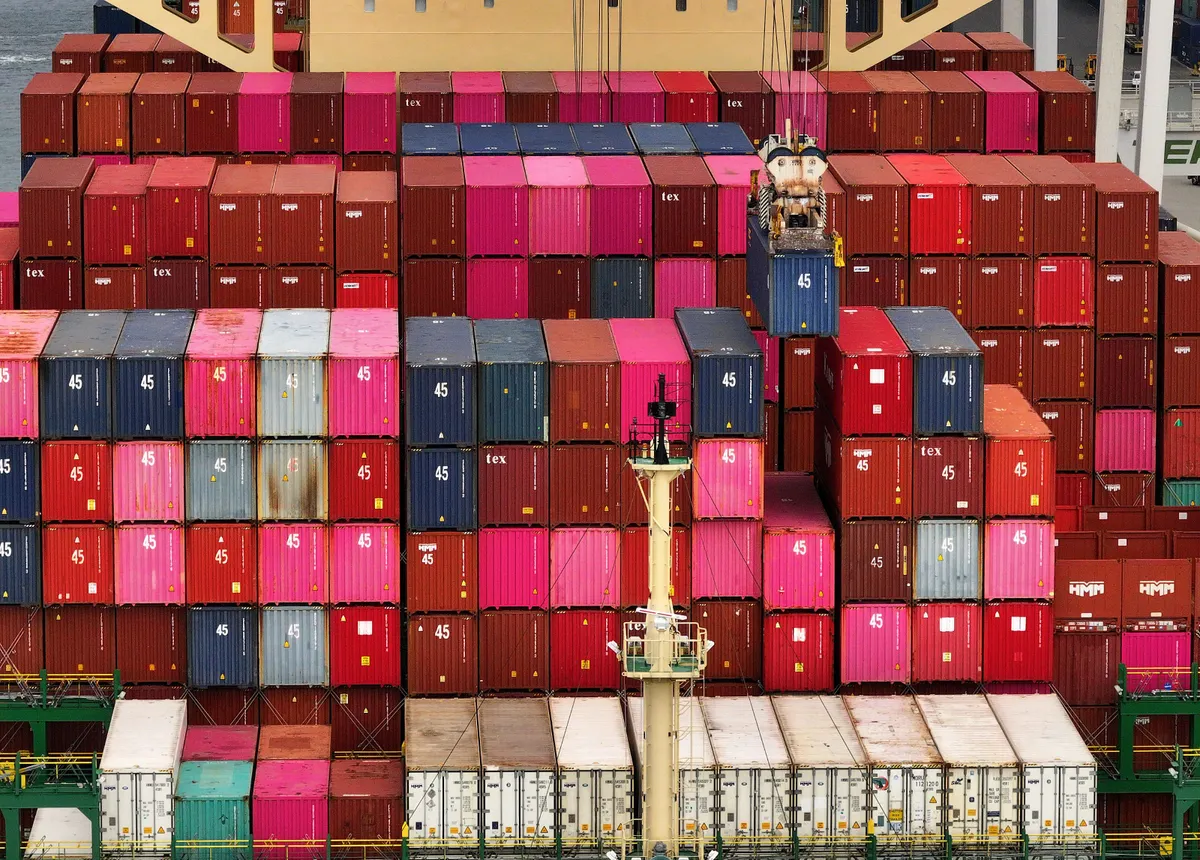
In 2026, ocean shippers will be in a good position for contract rate negotiations, which typically occur between March and May, according to Hind Chitty, senior manager of Drewry Supply Chain Advisors. She said this will be especially true on the Transpacific eastbound trade lane.
Chitty further noted that yearslong overcapacity in the shipping industry will carry on in 2026. However, despite this, capacity is still entering the market, with a 3.7% increase expected in 2026, according to Guillaume Bournisien, managing director of freight forwarding in the U.S. and Canada at Geodis. While that percentage is lower than 2025’s 7% capacity growth, it would still inject an additional 1.5 million TEUs into the market, Bournisien said. Capacity will grow larger still in 2027, with expectations for 8% growth in capacity.
Unless there is a significant shakeup in the market, ocean shipping will still face overcapacity, which would release pressure on rates, Chitty said, emphasizing the importance of a potential return to the Suez Canal. Reopening the waterway would not only slash transit times but allow excess capacity to be deployed on the trade lane.
Currently, ports and trucking companies that work with ocean shippers are operating at maximum levels, coinciding with heightened container capacity, Bournisien said. Therefore, any disruptions to the ocean freight market in 2026 will rapidly create a “very messy situation.”
To stay agile, ocean shippers must closely monitor operational metrics to avoid delays and additional costs, Chitty said. Although rates may fluctuate slightly due to standard practices — for instance, carriers using blank sailings to manage capacity — rates will not be a concern for shippers. Instead, shippers will have to focus on schedule reliability.
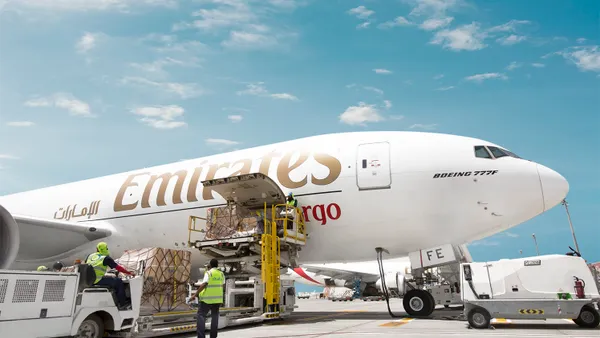
3. Air cargo flows will shift as network complexity rises
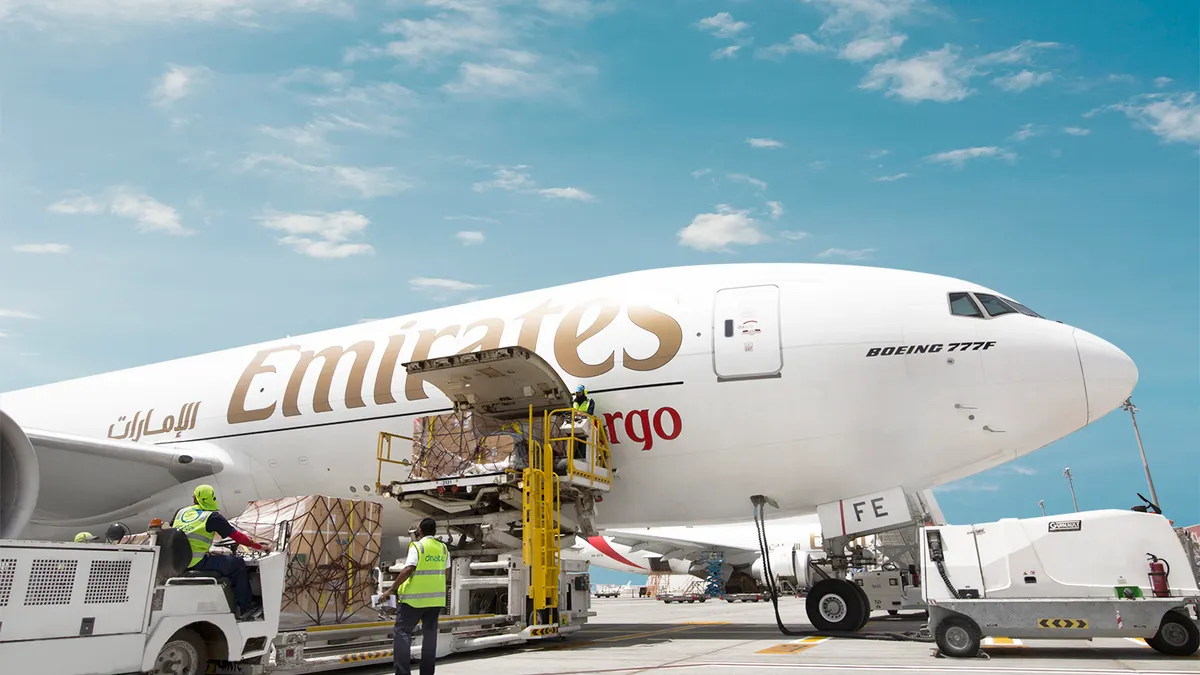
Air cargo shippers will have to navigate operational volatility in 2026 as networks become increasingly complex due to fluctuating trade policies, geopolitics, export controls and other risks, Guillermo Ochovo, director of Cargo Facts Consulting, told Supply Chain Dive.
Since regional disruptions can now have a global impact, air cargo demand will be redirected, resulting in multi-hub networks over linear alternatives, Ochovo said.
Still, after years of extreme volatility, the air cargo market has left recovery mode and generally stabilized, according to industry experts.
As of now, air freight growth is forecast to be in the low single digits in 2026, Tom Crabtree, an airfreight analyst at Drewry Supply Chain Advisors, told Supply Chain Dive.
"Shippers are now looking into flexibility, transparency, and those expectations are not going away anytime soon."
Guillermo Ochovo
Director of Cargo Facts Consulting
But shippers must remain proactive and plan air freight shipments more strategically to avoid excessive transport costs, according to Bournisien. Shippers that can effectively anticipate delays and notify customers in real time will have a leg up.
“I think now it’s clear for everybody that you cannot avoid the disruption — it will come your way,” Bournisien said. “But it’s about continuing to deliver when disruption becomes the norm, which is now the case today.”
Air freight shippers that effectively employ advanced analytics and artificial intelligence tools to optimize fleets and adjust networks to respond to demand changes will be best equipped to protect margins and manage risks, Ochovo said.
“Shippers are now looking into flexibility, transparency, and those expectations are not going away anytime soon,” Ochovo said.
4. Rail to normalize as potential UP-NS merger looms
Overall, rail freight is expected to face a more normalized environment in 2026, per Rand Ghayad, chief economist and senior VP of policy and economics at the Association of American Railroads. Currently, industrial production, inventory management and energy markets are shaping rail volumes,
“With inventories leaner, shippers are placing more value on reliable, cost-effective transportation, which directly affects rail traffic patterns,” Ghayad said.
This year, rail shippers should focus on planning and network alignment, Ghayad said. Integrating rail into longer-term logistics and inventory plans will also help shippers be better positioned versus those relying on short-term adjustments.
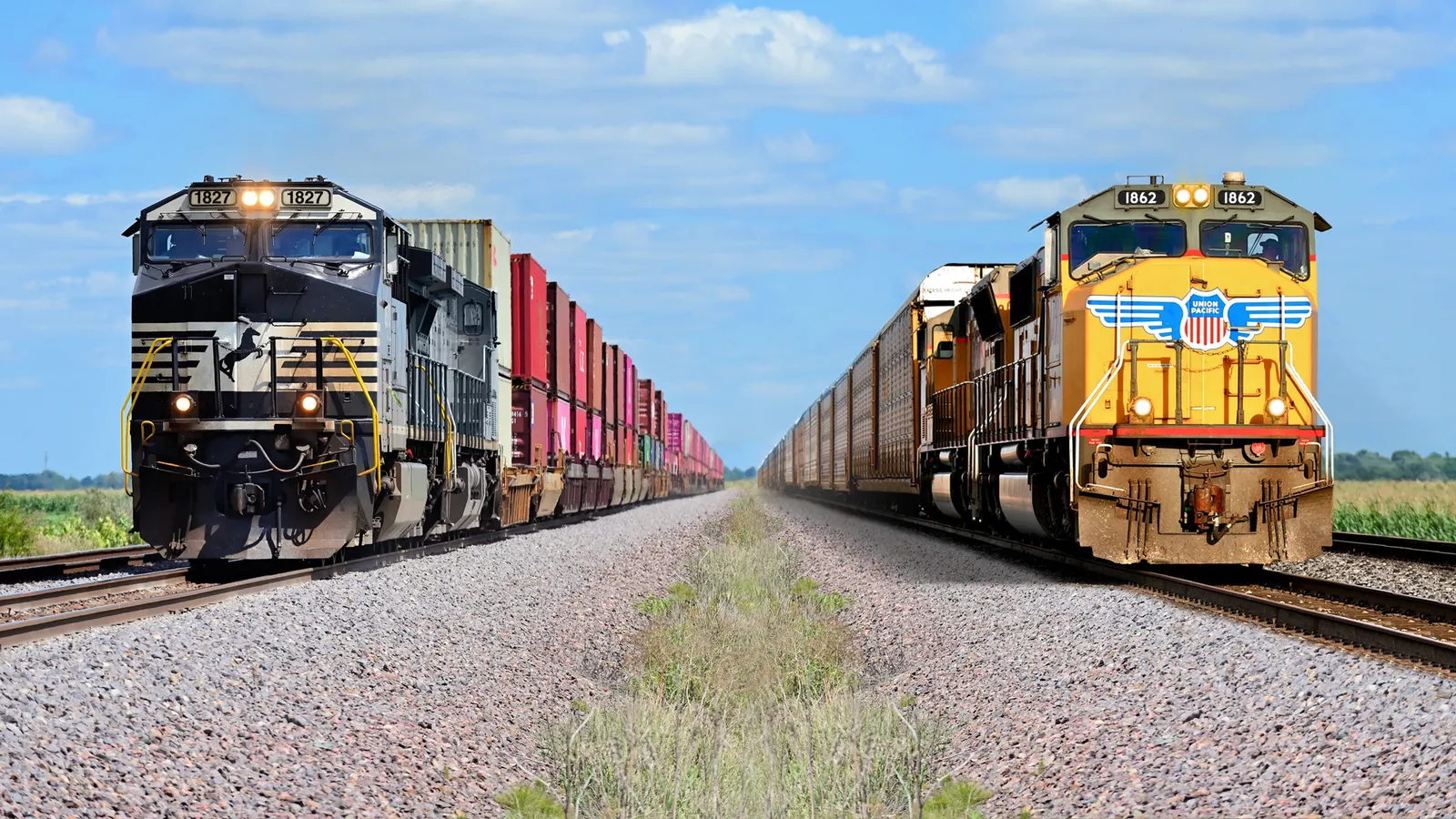
Meanwhile, all eyes will be on the regulatory process around the potential Union Pacific-Norfolk Southern merger in 2026 — a deal that would create the first U.S. transcontinental railroad, connecting more than 50,000 route miles.
News of the transaction prompted concerns from lawmakers, rail competitors and other industry stakeholders, who warn that the merger could pressure rates and service all while corroding competition.
Although UP-NS’ merger application was temporarily denied by the Surface Transportation Board for missing information, Scott Jensen, director of issue communications at the American Chemistry Council, told Supply Chain Dive the recent rejection can be judged as an early sign of the board’s intent to thoroughly evaluate the merger, which was originally expected to close in 2027 if approved.
Past mergers have negatively impacted rail networks and their customers, Jensen said, noting that several ACC members are “still suffering” from the fallout of the 2023 approval of the Canadian Pacific-Kansas City Southern merger. The lingering service issues have made it more difficult and expensive to ship cargo, Jensen said.

5. Trucking to hinge on carrier survivability, reliable capacity
In 2026, shippers will be less interested in chasing rock bottom trucking rates and instead prioritize reliable capacity, DAT iQ Principal Analyst Dean Croke told Supply Chain Dive.
Because of this, carrier survivability is becoming a growing concern as margins get slimmer and inflation rises, Croke said. Eventually, the market will face the question of whether carriers can provide needed capacity at committed rates. In turn, shippers aren’t buying a discount, they are buying risk, Croke said.
Several carriers have already filed for bankruptcy in the last two months, including Texas International Enterprises, STG Logistics and family-owned, Illinois-based carrier Bulmaks. And if the anemic trucking market doesn’t improve in the next six months, there’s a strong possibility that M&A activity will accelerate for freight brokers and motor carriers, Croke added.
“I just think the survivability of this current market diminishes substantially,” Croke said.
In turn, carrier relationships will be critical in 2026 so shippers and carriers can have open discussions about revisiting rate structures as costs rise, according to Croke. Inquiring about a carrier’s flexibility to scale capacity or operate more trucks to meet demand will be vital questions for shippers to ask.
“I just think the survivability of this current market diminishes substantially."
Dean Croke
Principal Analyst, DAT iQ
With financial pressure and government scrutiny over how non-domiciled commercial driving licenses are issued forcing some carriers out of the market, available capacity is also shifting.
Meanwhile, the trucking market is also awaiting the Supreme Court’s decision on Trump’s broad use of tariffs and the looming review of the United States-Mexico-Canada Agreement this summer.
The latter of these is keeping manufacturers and industrial shippers on the sidelines, FTR Transportation Intelligence VP of Trucking Avery Vise said. He added that companies will hold off on major investments as they wait for the USCMA negotiations.
“So we really do see another year of this gnawing uncertainty sort of constraining investment in constraining freight growth and that's really more on the industrial side, on the consumer side,” Vise said.