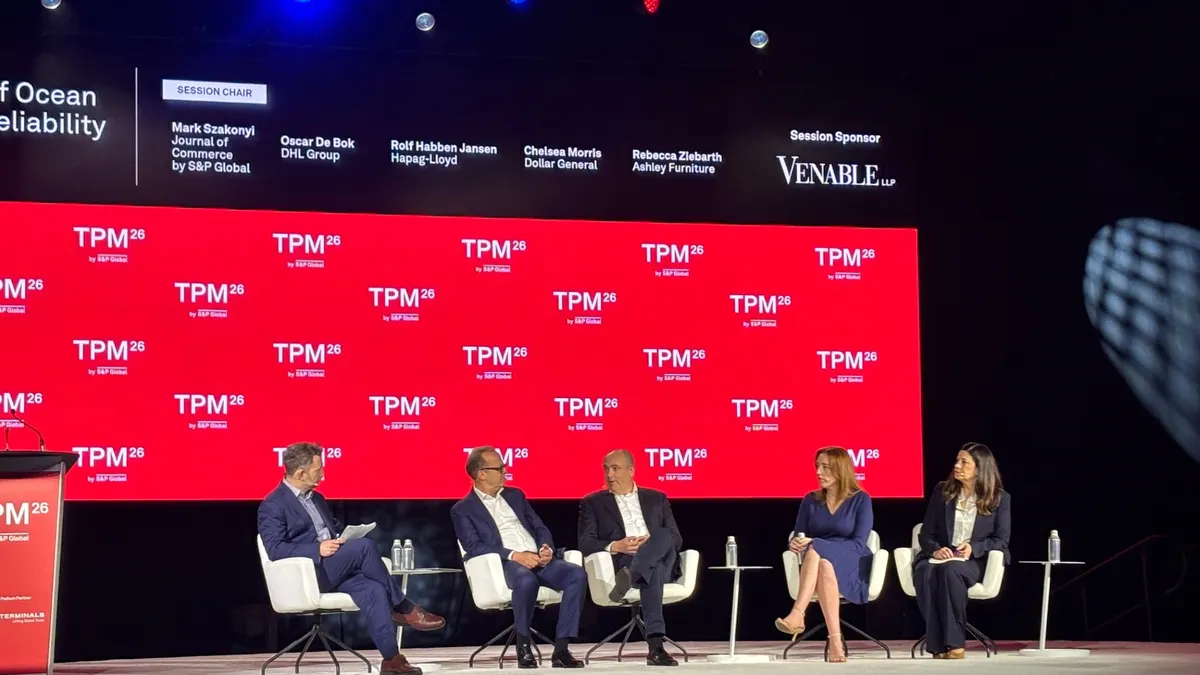
Dollar General and Ashley Furniture Industries are leveraging ocean schedule reliability as a way to optimize inventory planning and reduce stockouts.
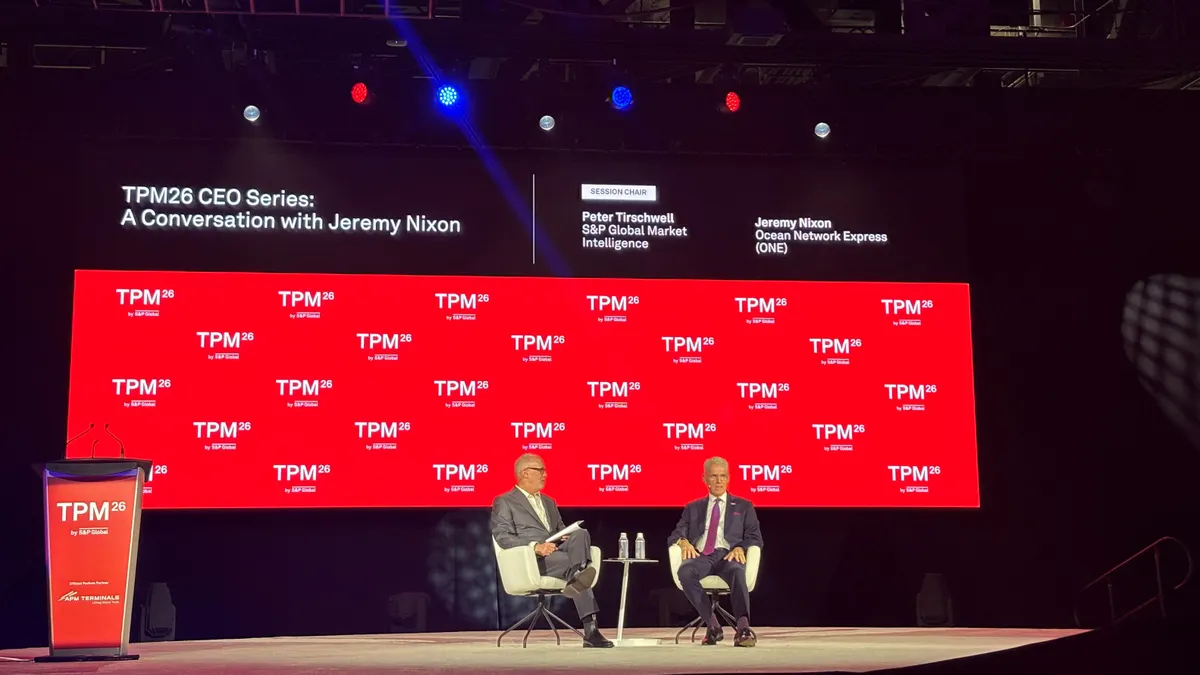
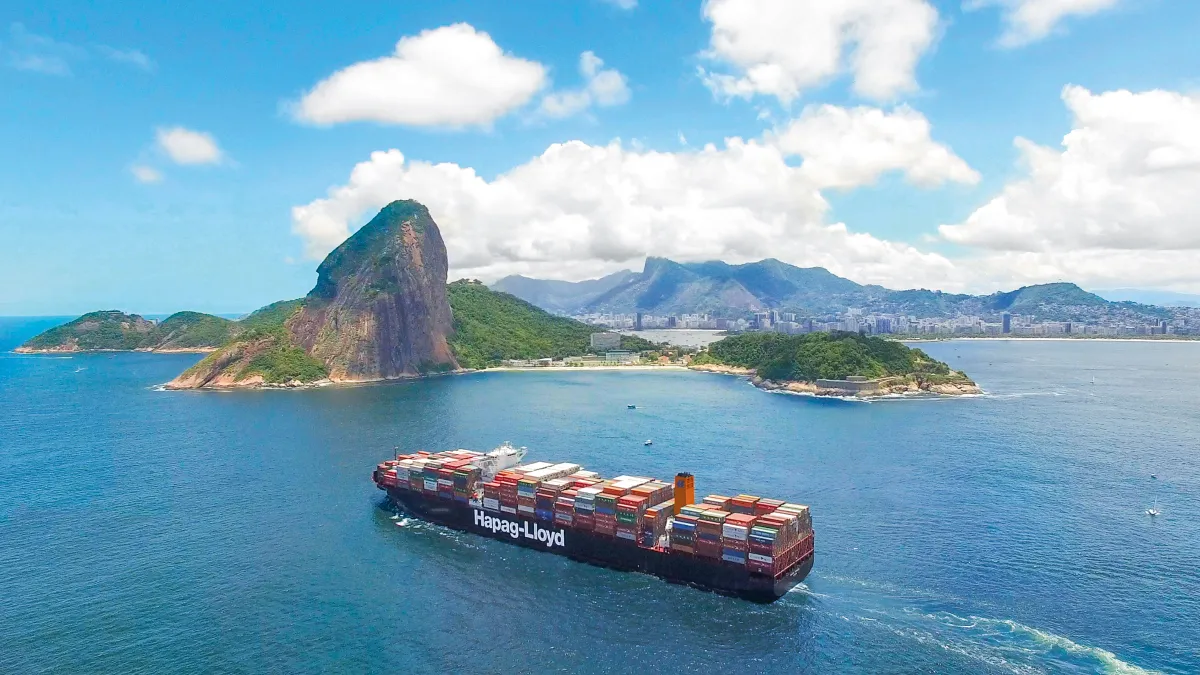
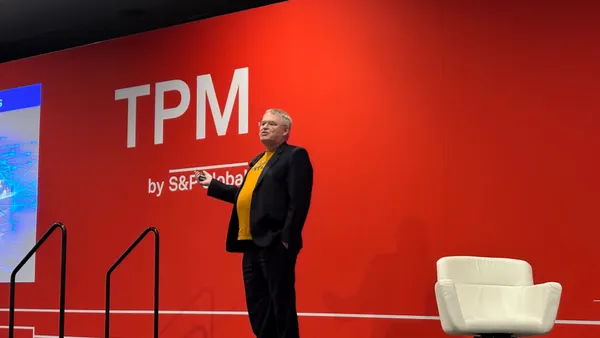
The Gemini network in particular — an operational agreement between Maersk and Hapag-Lloyd — has helped Dollar General improve variability issues in ocean shipping that impact inventory carrying costs, Chelsea Morris, VP of global inbound transportation, said at TPM26 by S&P Global. The Gemini Cooperation was launched in 2025 and claims a 90% schedule reliability, operating a fleet of about 340 vessels for a combined capacity of roughly 3.7 million twenty-foot equivalent units, according to Hapag-Lloyd’s website.
“When you think about how we determine how much product do I need in the pipeline — that's lead times, right?” Morris said. “How much safety stock do I need? That's variability. And so anytime you can remove that variability, we don't need that extra inventory.”
Morris noted that when analyzing different levels of variability, there are some products that the retailer is not willing to take a gamble on, versus some shipments that have a longer selling window.
“And so really, having a good sense of which carriers are performing at which level and how you should be routing your product differently really helps from a good decision making standpoint,” Morris said.
In turn, removing those variabilities can stop wasteful products from moving through the supply chain, potentially prompting bottlenecks.
“And, so I think it's really just using the data and leveraging the data as best you can to make the best decision possible given the risk category that each product type is in,” she added.
Similarly, retailer Ashley Furniture has to prioritize urgent goods, such as a product needed for a sale or promotion, Rebecca Ziebarth, VP of global trade management, said during the TPM26 panel discussion.
“We have 9,000 employees in the United States that depend on us and depend on our partners to get that box to the right location,” Ziebarth said. “So, that's a huge element for us, because if we shut down a production line, that's a huge cost to the business.”
Ashley Furniture ships to about 150 countries, with manufacturing as its largest component of its supply chain.
“We want to be able to reduce how much we're carrying and make sure that we can keep that cost in check,” Ziebarth said. “So, being able to have the option to direct those hot raw materials to our manufactured facility is a huge benefit.”
When a bottleneck does eventually occur, data can be helpful to proactively understand where an issue might happen well in advance, Morris said. However, she added that it would be great if the industry saw greater predictive capabilities.
Meanwhile, Ziebarth said that having better communication, such as push notifications, would be helpful when facing longer dwell times in order to make a “better plan.” Trimming transit times can also have an impact on inventory management.
“It's the exceptions that kill us, so when something dwells too long at a transship, trying to get a better tool to analyze and find those exceptions more quickly,” Ziebarth said. As a result, Ashley Furniture can focus on fixing the 20% of shipments facing disruptions and not the 80% of inventory that is flowing as expected.
Morris noted that there has been a push from the importer side to incorporate certain levels of service expectations in contracts. Especially coming out of a highly disruptive shipping environment during COVID-19, questioning how to increase reliability is important.
“What we're finding is that there are a lot of providers who are more willing to work with us, to commit to specific levels,” she said.
Ziebarth, meanwhile, noted that negotiations need to be direct and explain what isn’t working to find out what can change.
“Together, there's certain non-negotiables from both sides, but understanding where can you start to adjust — so it might be a contract amendment then to adjust an allocation, but there's always a path forward, but you just have to buckle down and figure out from both sides how to navigate it together,” Ziebarth said.
Reliability and proactive planning has become critical in the face of fluctuating cargo flows, geopolitical and trade tensions, among other logistics hurdles.
Alliances are useful because of their vast networks, Vespucci Maritime CEO Lars Jensen said at a separate panel at TPM26, listing Gemini, Premier Alliance and Ocean Alliance as examples. More alliances may be on the horizon, with Jensen noting that the next reshuffling is going to happen between 2030 and 2032.