The Trump administration's fast-moving tariff policies are pushing brands and retailers to reconsider their product sourcing strategies, but reducing exposure to added duties can introduce new hurdles.
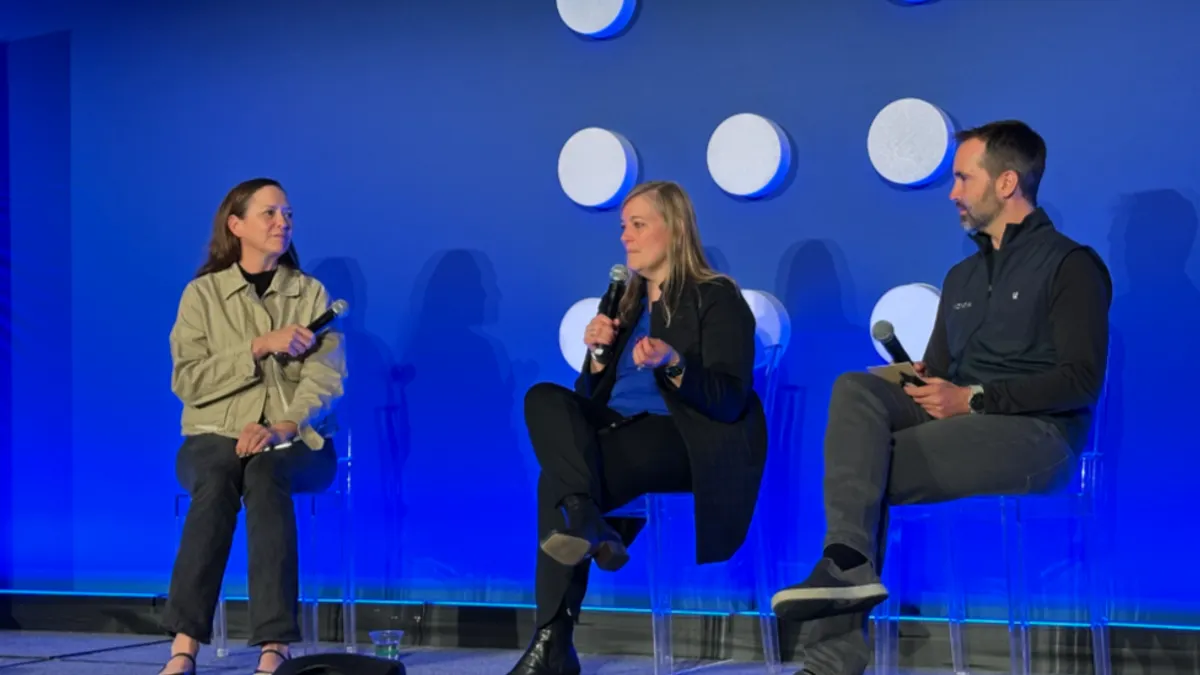
Shifting sourcing to a new country isn't something that can easily happen overnight, Rachel Levy, COO of Brooklinen, said during a panel at Manifest 2026 in Las Vegas earlier this month. As a result, the bedding and sheets seller "hasn't been chasing countries, so to speak," in response to new tariffs or trade deals.
The company is holding firm in its approach despite a wave of new duties since April that have complicated supply chains across industries, including those reliant on cotton, like Brooklinen. Levy's comments came before the Supreme Court's ruling last week that struck down tariffs Trump imposed under the International Emergency Economic Powers Act, duties which have since been replaced by a 10% global tariff.
Although U.S.-sourced cotton is an option to mitigate some tariffs, its availability is limited, and overreliance would increase supply chain complexity, Levy said. Pima cotton grown in the U.S. will likely be sent elsewhere for yarn spinning, fabric production and cutting, she noted.
"And then if the demand of Pima cotton increases, then the cost goes up," Levy said, meaning there aren't "necessarily true offsets" to added tariff costs by sourcing in the U.S.
Some suppliers are bouncing between countries to mitigate tariffs during production. One example Levy outlined was cotton from China made into fabric in Vietnam, some of which is sent back to China for value-added features before being brought to Vietnam again for cutting and sewing.
Overall, Levy said limiting scenarios of "being single-sourced in one country" is critical to reduce supply chain risks such as tariffs. Businesses must also consider other factors beyond sourcing locations, such as inventory holding costs and lead times, and keep track of important news developments globally, she said.
"A global supply chain, you have to understand, it's more connected today than ever, and it's only going to get more connected and more complicated," Levy said.
Some companies have worked to limit their sourcing exposure risks since the first Trump administration featured trade disputes with China and the COVID-19 pandemic challenged supply chains.
Tailored Brands, which owns brands such as Men's Wearhouse and Jos. A. Bank, has been using "a little bit more nearshoring" to source products in recent years, EVP and Chief Supply Chain Officer Jamie Bragg said during a Manifest panel. He added that the company's New Bedford, Massachusetts, tailored clothing factory has provided an edge in the current environment.
For Patagonia, some of its sourcing locations have shifted from Asia to Central America along with "a very small amount in the U.S.," Chief Supply Chain Officer Todd Soller said on the panel with Bragg. But he added that the company's supply base hasn't changed significantly, in part because tariffs have "raised the water level fairly equally across the world in a lot of ways."