Shippers are focusing on replenishing critical SKUs rather than full-scale inventory stockpiling ahead of Lunar New Year, marking the Year of the Fire Horse as one of item-level visibility, experts told Supply Chain Dive
This year’s Lunar New Year holiday begins Feb. 17 — which is later than recent years — with China, Taiwan and Vietnam expected to see nine-day closures at factories, Chikei Ho, GM of trade lane development for the Asia Pacific region at Seko Logistics, told Supply Chain Dive. Last year, Lunar New Year celebrations started in January, which was earlier than normal, and ended around Feb. 4.
Despite frontloading efforts by shippers in 2025, most of that inventory was absorbed by year-end promotions and holiday buying, with inventory-to-sales ratios for many retailers closer to pre-pandemic levels for the 2026 season, per Ho. In turn, the current Lunar New Year push is still strong but aligns with real demand versus building up safety stock. Further, this year’s later start date gives some retailers time to clear holiday stock and plan Q1 replenishment prior to factory closures.
There are “lower overall volumes than LNY 2025's frenzy, but don't mistake that for easier conditions,” Lucia Fu, VP of commercial of greater China at Seko Logistics, said. “Those still moving freight are competing for tighter windows with longer transit times.”
Because celebration timelines differ between countries, shippers may face location-specific dynamics. Therefore, Lunar New Year should be treated as a “segmented event, not a single, monolithic shutdown,” C.H. Robinson’s VP of Global Forwarding Matt Castle told Supply Chain Dive.
“There’s no ‘one‑size‑fits‑all,’” Castle said. “It’s best to plan supplier by supplier and lane by lane.”
Most of China, for instance, is planning closures of at least one week, with some factories cutting back on output in late January and gradually ramping up operations in late February or even early March, per Seko’s Ho. Meanwhile, in Hong Kong, Ho reported a push for pre-holiday ocean exports on Transpacific and Asia-Europe routes, as shippers are opting to move priority SKUs on earlier sailings or faster services.
In North America, Ho reported that shippers are “balancing the cost of premium capacity against the risk of Q1 stockouts, often deciding lane by lane whether to frontload or accept leaner inventories through the LNY period.”
Likewise, factory restarts aren’t uniform and are shaped by celebration shutdowns, labor availability and gateway congestion, which is why shippers should plan beyond the Lunar New Year, Castle said.
How to keep freight flowing
Regarding item-level visibility, shippers need to know critical SKUs and where they are in order to speed up, slow down or reroute shipments should market conditions change, Castle said. This will also prevent any excessive or unnecessary stockpiling.
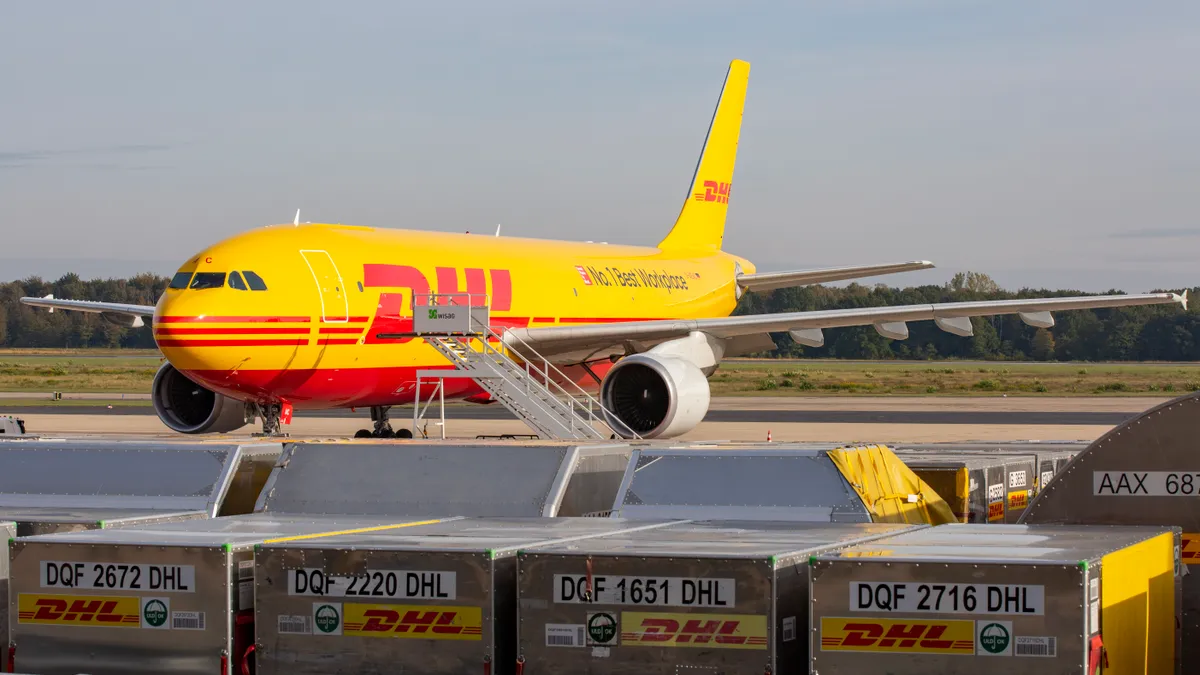
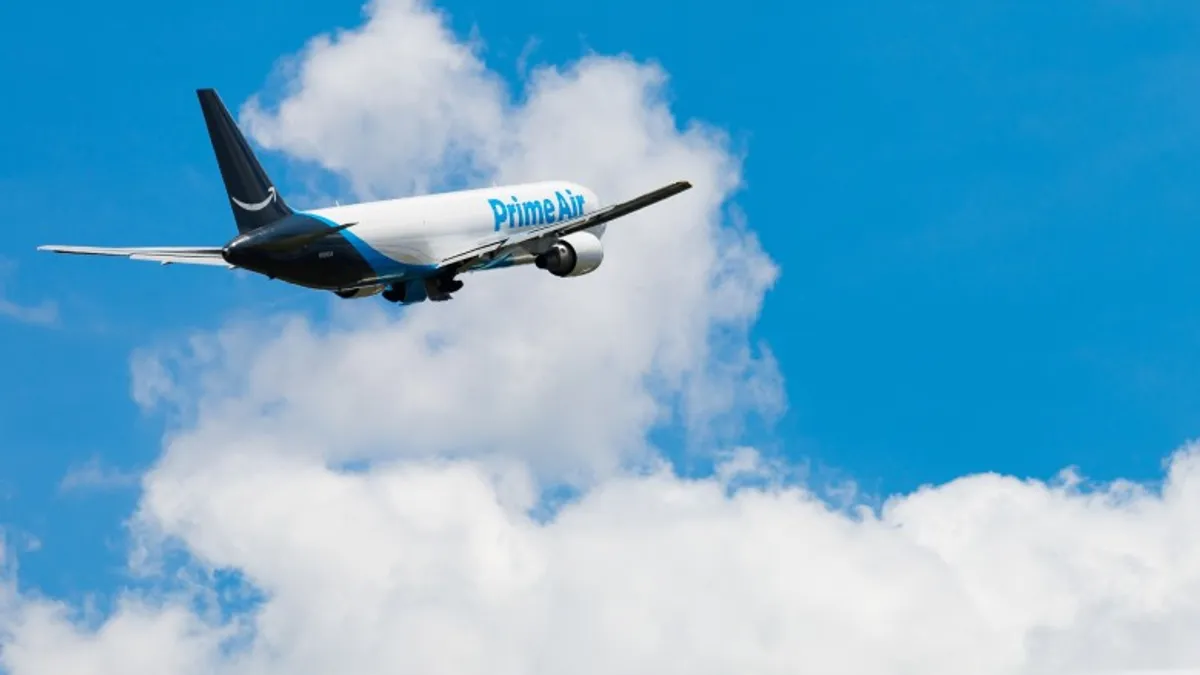
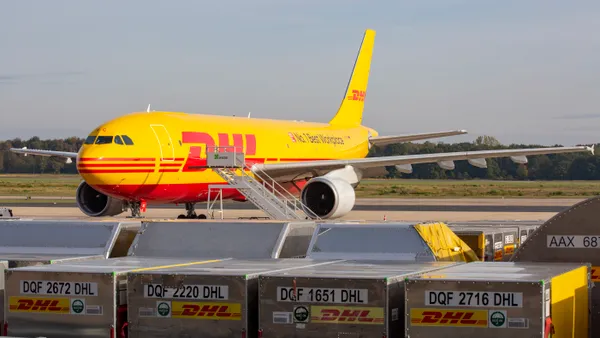
Now is the time to move critical SKUs via airfreight before the late-January, early-February rebound, according to Castle. He further noted that diversifying options and securing backup can help avoid capacity strains. Unlike past holidays, air freight demand for Lunar New Year 2026 is anticipated to stay steady and well-managed.
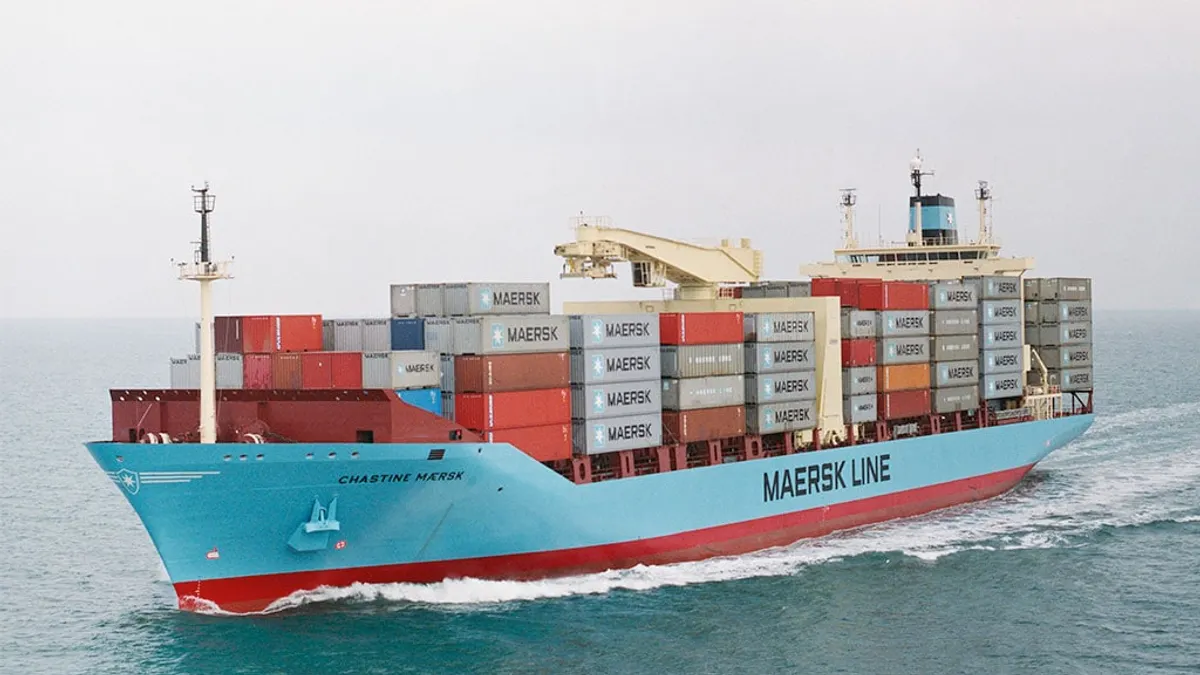
On the ocean shipping side — which is expected to experience a “short, intense pulse” — Castle noted that there are still several things shippers can do to keep freight flowing smoothly. Deciding and focusing on which products need to move prior to the holiday closures is key
“You can still shift cargo to air if it’s urgent, and you can re-route ocean shipments through alternate ports that have more capacity,” Castle said. “Make sure you plan fast handoffs. Pre‑book port services, confirm drayage and chassis, and line up transloading. That alone can save days.”
Some blank sailings and schedule changes are expected, but an industry-wide crunch isn’t on the forecast because so many ships are available, Castle said. To combat blank or rescheduling sailings, it’s important to have options.
Using less-than-container load when full container load space is constrained is also helpful, as well as splitting large orders across multiple bills of lading and selectively using premium or guaranteed‑space services on time‑sensitive cargo, Seko’s Ho advised.
Meanwhile, if cargo gets delayed to a later date, it’s critical to make up the time elsewhere, C.H. Robinson’s Castle said.
“Book your transfers early, make sure the equipment is reserved, and keep backup routes ready so one schedule change doesn’t cost you a whole week,” he said.
Castle further noted that the heaviest activity is expected one-to-three weeks before mid-February, which is when drayage and transload capacity are crucial.
“Focus on the routes and products that matter most, build flexibility into when and where your inventory lands, and make sure the handoffs at the port go smoothly,” Castle said. “If you do those things well, Lunar New Year becomes just another part of your greater plan, not a disruption.”